5 Science-Backed Hacks to Prevent Common CrossFit Injuries After 35
CrossFit athletes 35+ can cut common injuries by focusing on tendon conditioning, strength, recovery, mobility and everyday habits that reduce spikes and chronic strain.
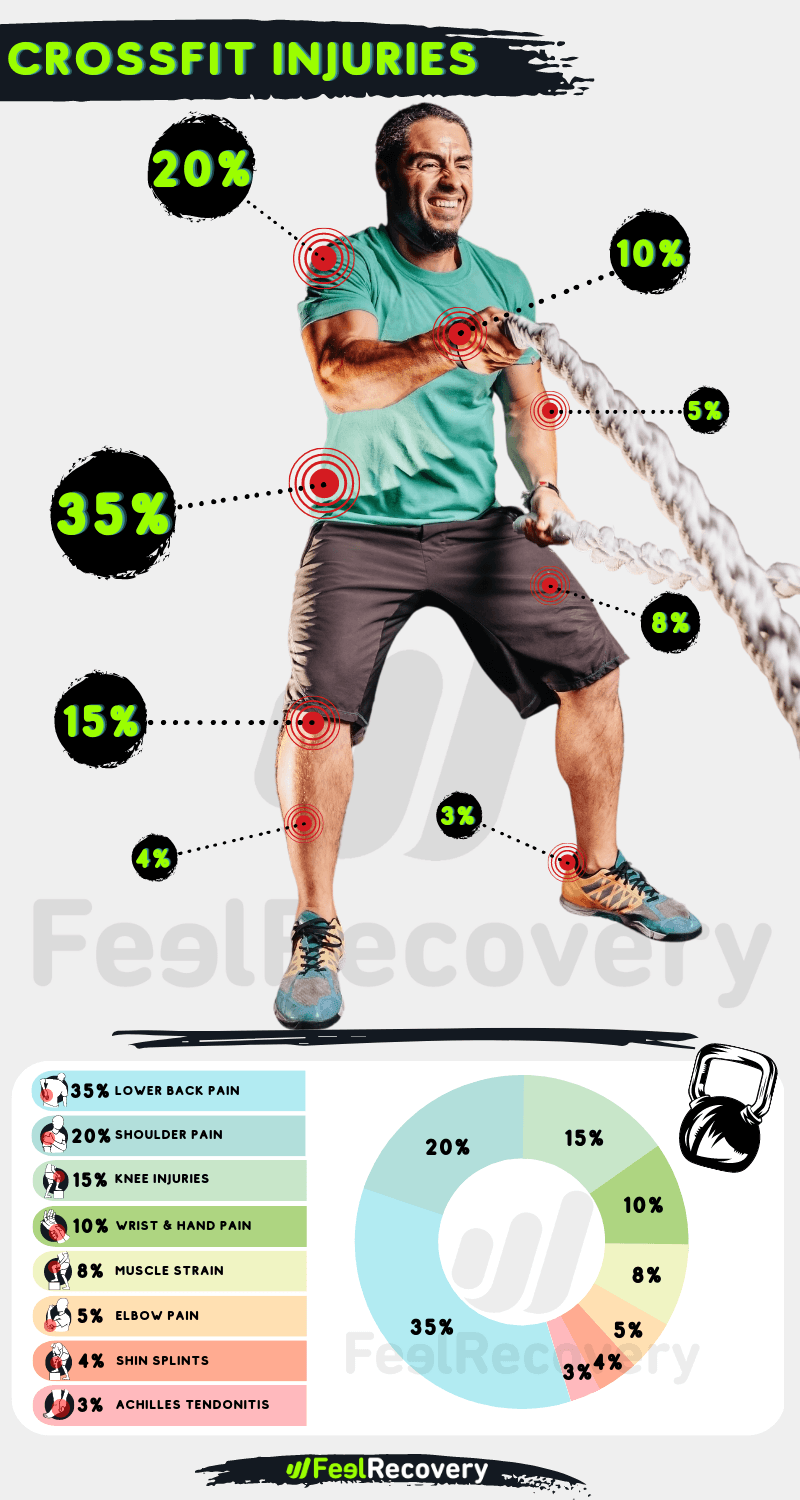
CrossFitters over 35 face a predictable pattern: sudden training spikes, fading recovery capacity, and daily habits that add wear and tear. Evidence-focused guidance for athletes in this age group points to five practical, science-backed moves that blunt the most common injuries, tendonitis, muscle strains and ligament sprains, and keep Rx workouts on track.
Condition connective tissue before you chase a PR. Tendon and connective-tissue conditioning, plus progressive load increases, reduce the risk of overload when you push intensity. Alexfolacci warns that “going from zero to one hundred puts immense stress on your muscles, tendons, and ligaments.” That risk shows up most in weekend-warrior bursts and in workouts without a proper ramp-up. Practical actions include gradual volume progression and a thorough warm-up before high-intensity lifts or metcons; BOXROX highlights eccentric and progressive tendon-loading approaches as central to any 35+ plan.
Protect muscle mass with regular strength work and targeted nutrition. Strength training two to three times per week preserves muscle and metabolism, Optimalfithub advises, and the same source recommends protein at every meal, aiming for 0.7–1 gram per pound of body weight to blunt age-related muscle loss. If an injury sidelines a limb, Puremotivationfitness urges continuing strength for unaffected areas to prevent atrophy while you rehab.
Recover like it matters, because it does. “Sleep isn’t optional, it’s when your body repairs and grows stronger,” Optimalfithub states, and the recommendation is clear: aim for seven to nine hours nightly, set a consistent bedtime, limit screens an hour before sleep, avoid caffeine after mid-afternoon and stop alcohol at least four to six hours before bed. Schedule rest days and manage acute load spikes; Optimalfithub warns that “going too hard, too fast” leads to burnout or injury.

Keep joints mobile and practical about daily habits. Maintaining range of motion through daily mobility, stretching, foam rolling or yoga, prevents compensatory patterns that generate new injuries. As Optimalfithub notes, “Stretching is often 'neglected or forgotten' in older adults 35+.” Habit stacking and calendar scheduling make short mobility sessions realistic, do squats while brushing your teeth or lunges during commercial breaks, for example, so mobility becomes part of the WOD of daily life.
Mind the margins: hydration, ergonomics and sustainable movement. Alexfolacci frames “Hydration: Your First Line of Defense,” reminding athletes that dehydration increases cramps, fatigue and coordination loss, direct routes to getting hurt, and recommends keeping a water bottle at your desk and gym and sipping throughout the day. Simple ergonomic fixes, feet flat, knees at 90 degrees, monitor top at or just below eye level, keyboard and mouse close enough for elbows at a right angle, cut chronic neck, shoulder and back strain. Puremotivationfitness reinforces that rest does not equal total inactivity: “Remaining physically active can actually support your body’s healing process and prevent compensatory injuries,” and suggests low-impact options like swimming or cycling plus professionally prescribed rehab where needed.
For CrossFitters 35 and up, the takeaway is straightforward: program progressively, lift regularly, sleep well, keep joints moving and tidy up everyday habits. Adopt these five evidence-backed practices and you’ll be less likely to trade Rx workouts for rehab; if injury arrives, maintain safe movement, follow rehab guidance and come back smarter.
Know something we missed? Have a correction or additional information?
Submit a Tip