6.7-magnitude quake hits Indonesia's Sulawesi, kills one and injures dozens
A shallow 6.7 quake near Palu killed one person, injured 38 and forced hospitals to evacuate patients as officials checked roads, bridges and homes.
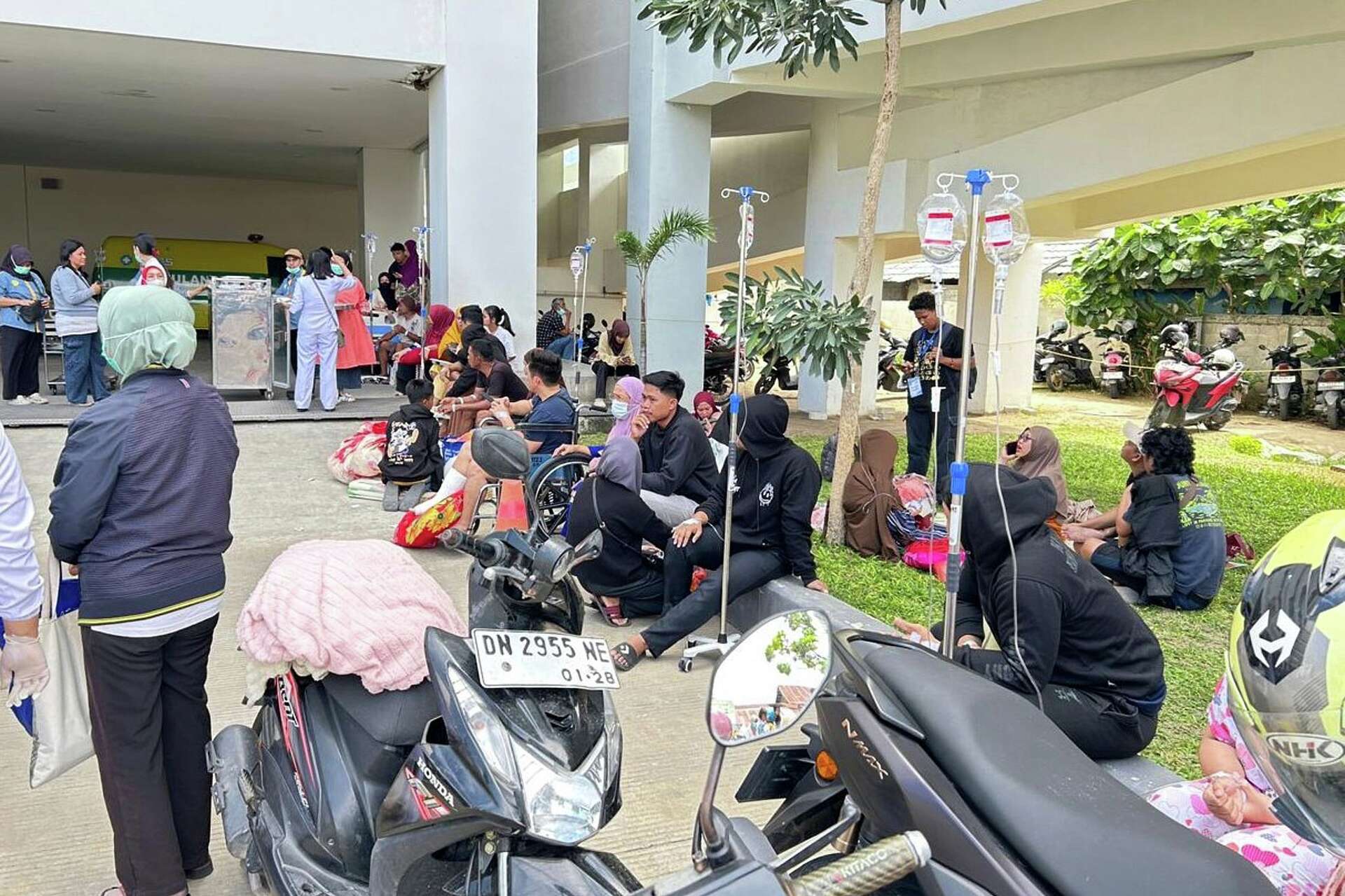
A 6.7-magnitude earthquake shook Indonesia’s Sulawesi island on Tuesday morning, killing one person and injuring dozens in Central Sulawesi province as hospitals moved patients outdoors and officials rushed to inspect roads and bridges. The shallow quake struck near Palu, the provincial capital of about 400,000 residents, and did not trigger a tsunami. In a region still marked by the 2018 Palu disaster, the first casualty count offered a sharp measure of both the danger and the value of fast response.
Indonesia’s disaster mitigation agency said the person who died was in Sigi, while 38 people were injured. Earlier reports from Sigi regency listed eight injuries, including two serious cases, before the toll rose as officials assessed damage across the province. Residents in and around Palu fled into open spaces after the shaking, which lasted more than a minute.
BMKG said the epicenter was about 42 kilometers southeast of Palu at a depth of roughly 10 kilometers, while other reporting placed it about 43 kilometers east-southeast of the city. Later, BMKG officials said the quake was shallow and linked to activity on the Sausu Fault with a normal-fault mechanism, a combination that helps explain why the shaking was strong enough to rattle structures across Central Sulawesi.

Several hospitals in Palu evacuated patients to open areas as a precaution, including some who were on IV drips. Officials also reported damage to places of worship, bridges, offices and 67 homes. One report said the Palu III Bridge was temporarily closed after cracks were found and engineers began inspections, underscoring how quickly a single quake can threaten transport links in a province that relies on fragile road connections.
Central Sulawesi Governor Anwar Hafid ordered emergency response measures and directed government agencies, medical teams and local officials to help affected communities and meet basic needs. The response reflected the lingering shadow of the 2018 Palu earthquake and tsunami, which killed thousands and exposed how destructive seismic events can become when buildings, bridges and warning systems are not ready. Tuesday’s quake caused less widespread devastation, but it again showed that Sulawesi remains vulnerable and that readiness still depends on speed, coordination and stronger construction.
This article was produced by Prism’s automated news system from verified source data, official records, and press releases, then run through automated quality and moderation checks before publishing. The system is built and supervised by the people who set the standards it runs under. Read our full AI policy.
Did this article answer your question?