88% of Restaurant Operators Optimistic for 2026 as Sales Projected $1.55T
Popmenu’s survey of 328 operators found 88% are cautiously or very optimistic for 2026 as the National Restaurant Association projects $1.55 trillion in sales and diners cut weekly spend to about $90.
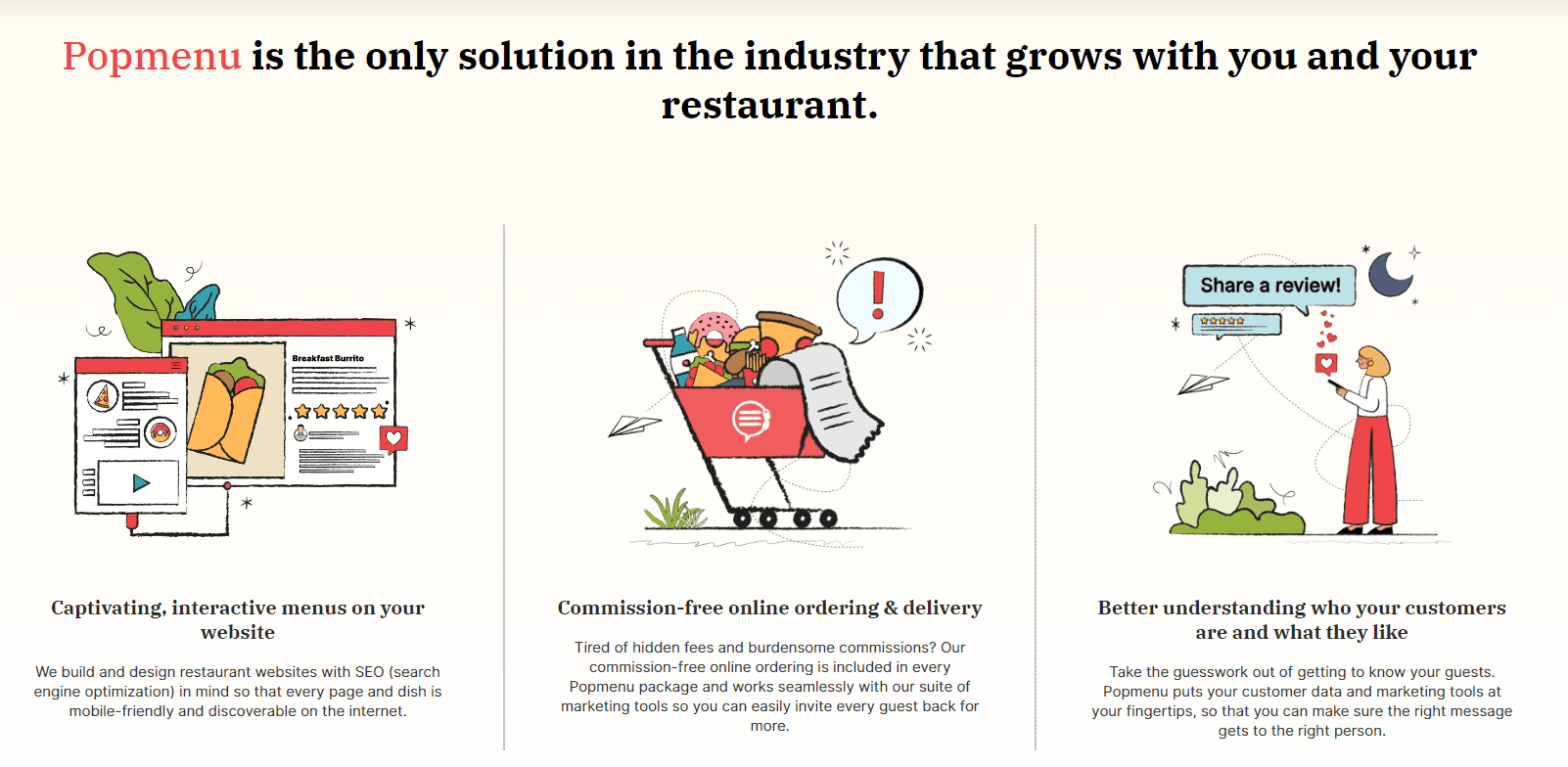
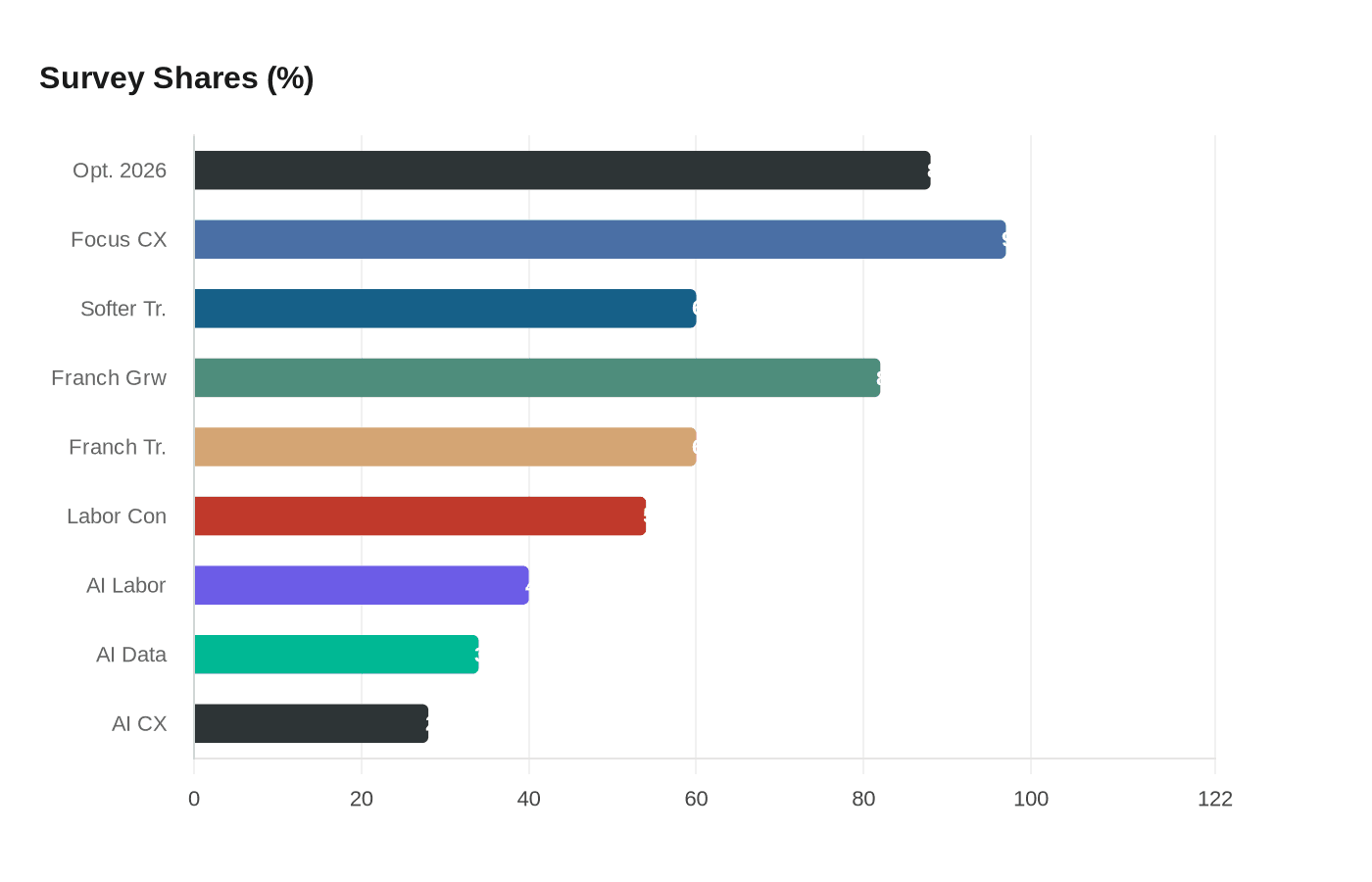
Popmenu’s survey of 328 restaurant operators and 1,000 consumers found 88% of operators said they are cautiously optimistic or very optimistic about 2026, even as average weekly consumer spending on dining out has fallen from $115 in June to about $90. The same survey reported that 97% of operators are sharpening focus on the consumer experience and adopting new dining options, incentives and AI technologies.
The National Restaurant Association’s State of the Restaurant Industry 2026 report projects $1.55 trillion in total restaurant and foodservice sales next year and says operators plan to add roughly 100,000 jobs, bringing industry employment to about 15.8 million. Dr. Chad Moutray, the NRA’s chief economist, warned that “success for operators this year will hinge on their ability to get the math right in a still‑challenging economic environment,” noting that 60 percent of operators reported softer customer traffic in the prior year even as there is cautious optimism for improvement.
Franchise leaders surveyed at the 2025 Restaurant Finance & Development Conference echoed the upbeat but cautious tone. TD Bank’s survey of 253 franchise executives found 82% expect improved or stabilized growth in 2026 and 60% are confident their business will achieve positive traffic next year. That same TD Bank sample identified a shrinking labor pool as the top talent concern for 54% of respondents and flagged AI as a priority tool — 40% say AI could help labor efficiency, training and scheduling; 34% cite customer data analysis and trend prediction; 28% cite customer experience and personalization. Mark Wasilefsky, head of TD Bank’s Restaurant Franchise Finance Group, framed AI as a strategic lever for margins and service.
Operators and industry advisers are translating optimism into concrete investments. The NRA summary highlights planned spending on digital ordering and payments, loyalty programs, automation and targeted marketing to remove friction and drive traffic. Popmenu operators specifically called out limited-time offers, enhanced customer experiences and AI adoption as tactics to win back spend. Brandy Rand, vice president of hospitality at Questex, noted that “the prevalent trend of more face-to-face interaction provides the hospitality industry an opportunity to deliver on consumer desire for social experiences.”
Supply chain and back-office moves complete the playbook for many chains. Realeconomy and RSM advice points to pre-qualifying backup vendors, maintaining rolling forecasts for critical ingredients and deploying data-enabled risk management to confront trade and regulatory unpredictability. Several operators are outsourcing accounting, payroll and compliance to free frontline staff to focus on guests.
The sums add up to a sector positioning for growth but under real constraints: $1.55 trillion in projected sales, plans to add about 100,000 jobs, and operator strategies that hinge on AI, loyalty, menu innovation and supply chain resilience. Milos Eric, general manager at OysterLink, captured the mindset: “The industry has already been through COVID, supply chain mayhem, and the worst labor market in decades. A drop in weekly spending doesn’t concern operators that remain in business because they’re already very adaptable.” Watch whether AI-driven labor tools and the NRA’s hiring forecast translate into the traffic and margins operators are betting on for 2026.
Know something we missed? Have a correction or additional information?
Submit a Tip