Restaurants Shift 2026 Tech Spending to Back-of-House Automation and AI
Operators are moving spend from front-of-house gimmicks to back-of-house automation and AI; a Jan. 22, 2026 MachineQ survey of 400 operators found 58% expect efficiency gains from routine-task automation.
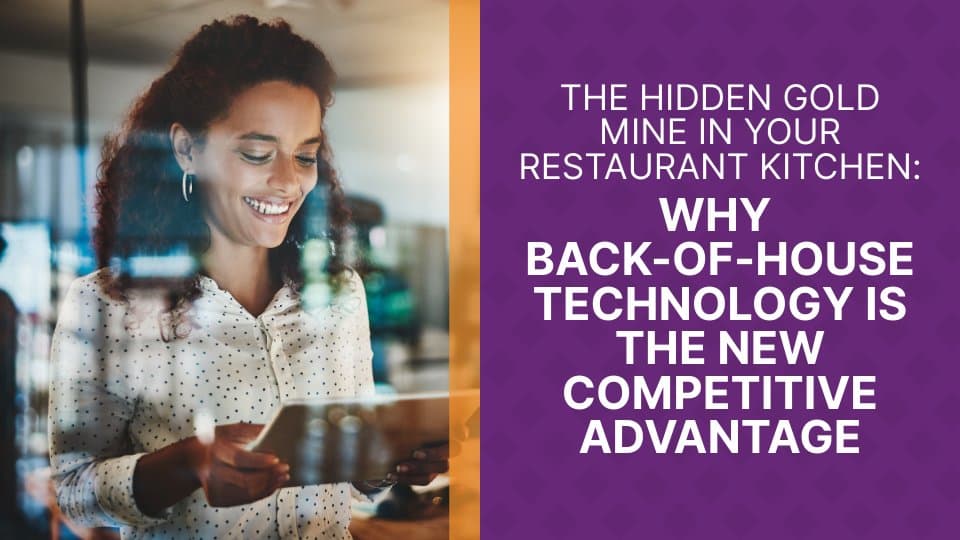
Restaurant owners are redirecting 2026 tech budgets from customer-facing features to back-of-house systems that promise immediate cost control and consistency. A January 22, 2026 MachineQ survey of 400 quick service and fast casual operators found more than half - 58 percent - believe investing in technology to automate routine back-of-house tasks would improve efficiency, and that share rises to nearly 70 percent for operators managing 50 or more locations. Back Print’s February 05, 2026 Tech Trends coverage frames the shift as a move toward smart kitchens, predictive inventory, and operational AI.
The pressure driving the pivot is arithmetic. ModernRestaurantManagement forecasts operators entering 2026 under a tighter squeeze because of rising input costs and a net decline in beverage sales, with alcohol declines outpacing growth in nonalcoholic and low-ABV options. That outlet predicts restaurants will "aggressively shrink menus reducing both mise en place and labor costs," a tactical response that dovetails with investments in inventory and forecasting tools to protect margins.
What operators are buying is precise: Back Print lists digital checklists, automated temperature systems, and food traceability software as core smart-kitchen components that help teams move faster and keep hygiene standards. Back Print and MachineQ highlight inventory management platforms that sync with internal data to track usage in real time, trigger automatic reorders, and reduce waste. MachineQ also names IoT use cases such as temperature monitoring, predictive maintenance, and sustainability tracking as part of a back-of-house stack that includes robotics and energy-efficient, modular kitchen designs.
AI and communications platforms are being folded into those systems. Nextiva’s reporting notes Precedence Research projects the global value of AI in marketing at $32.73 billion in 2026, and cites Deloitte’s 2025 survey showing 8 in 10 restaurant executives plan to increase AI investments. Nextiva illustrates operational use cases: AI auto-answering for missed calls, automated schedule adjustments, and a concrete example where "an AI system might notice that salads sell 40% more on hot days and adjust ordering patterns automatically." MachineQ summarizes the expected payoff as better visibility, reduced waste, and less downtime.
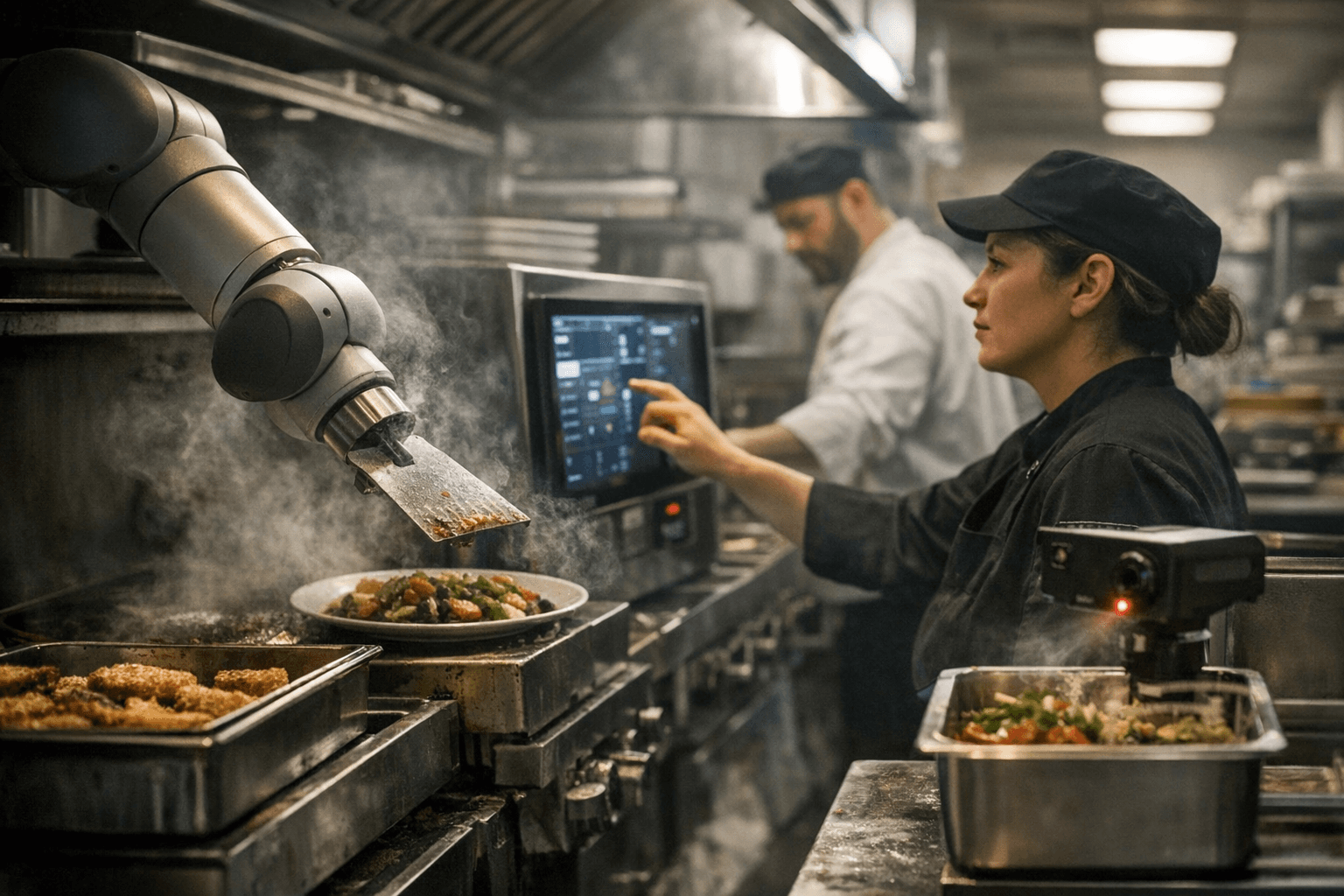
Industry advisers stress that technology must amplify human work. Spencer Michiel, identified as a Back of House consultant and co-host of the So You Want to Run a Restaurant? podcast, says, "The most successful operators in 2026 will be the ones who embrace AI not as a replacement for people, but as an enabler. Empowering their teams, improving efficiency and, ironically, creating a more human-centered restaurant experience." George Yang, described as an AI Adoption Strategist, urges the same balance: "The winners in 2026 will be the brands that blend technology with warmth: using AI to personalize outreach, predict demand, and streamline operations, while doubling down on human connection where it counts." ModernRestaurantManagement also predicts marketing will begin "serving two audiences: human guests and AI agents."
Adoption is not frictionless. Back Print flags "Key Risks and Challenges for U.S. Restaurants Embracing Tech in 2026," warning that hurdles could slow implementation and that operators must balance innovation, efficiency, and guest experience. MachineQ’s survey and Back Print’s key takeaways also project hybrid human-AI operations and AI-driven kitchens that "will autonomously adjust recipes, portions, and energy use based on real-time data," underscoring both the technical promise and the integration challenge for multiunit operators.
Small operational details surface alongside strategy. Chefstore’s terse listing — "Appetizer (10) / Beverage (3) / Breakfast (2) / Dessert (5)" — appears as an example of menu-category counts in vendor material, a reminder that menu architecture and SKU counts remain inputs for forecasting and inventory automation. Taken together, the January and February reporting paints 2026 as a year when restaurant tech spend shifts from visible guest bells and whistles to back-of-house automation and AI tools designed to shore up margins, standardize quality, and free managers to focus on hospitality and innovation.
Know something we missed? Have a correction or additional information?
Submit a Tip