9% of Full-Service Restaurants Face Closure Risk in 2026 Amid Cost Pressures
Black Box Intelligence finds 9% of full-service restaurant units are “at risk” in 2026 after 2025 sales fell at least 30% from each unit’s 2019–2025 peak, threatening jobs and neighborhood dining options.
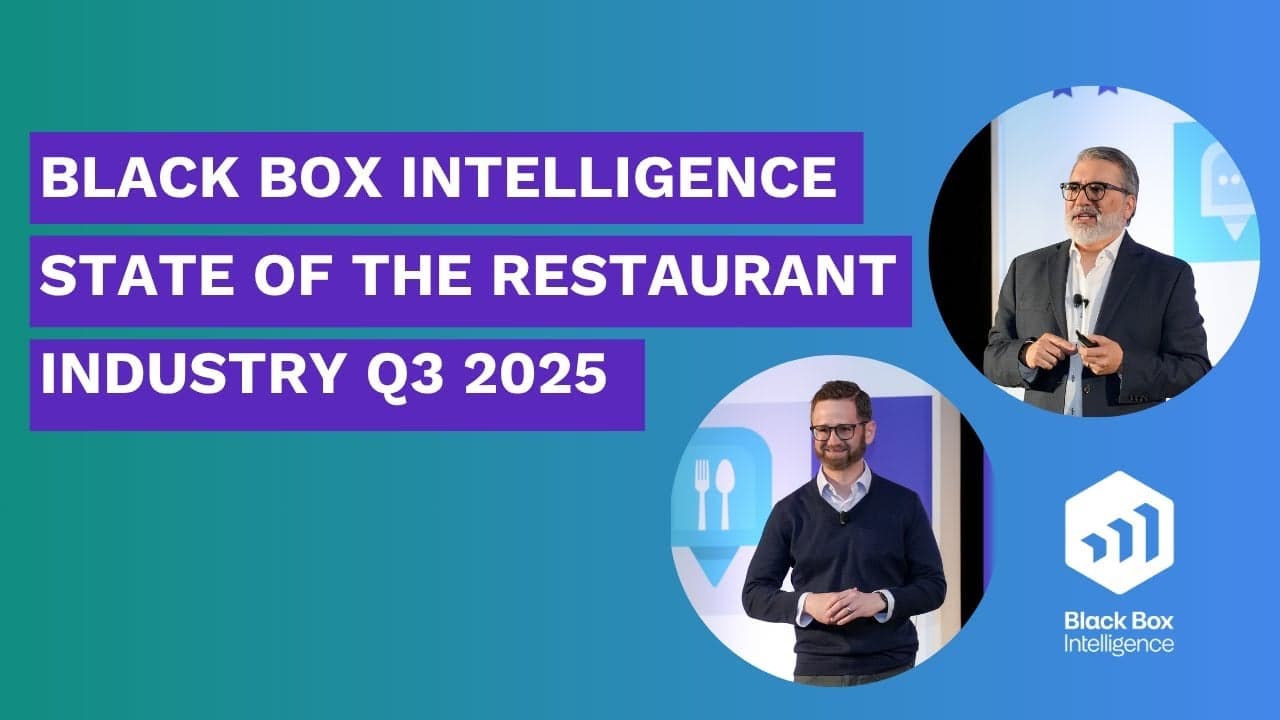
Black Box Intelligence estimates that 9% of full-service restaurant units nationwide are at risk of closing in 2026 after those units posted 2025 sales at 70% or less of their peak annual sales during the 2019–2025 window. The firm defines at-risk as a loss of 30% or more of peak sales and says casual-dining concepts make up a large share of that group, raising the prospect of localized job losses and fewer neighborhood sit-down options.
Black Box calculated each tracked unit’s 2025 sales as a percentage of its highest annual sales between 2019 and 2025; any unit at 70% or below was categorized as at-risk. Victor Fernandez, Black Box’s VP of insights and knowledge, framed the pressure this way: “Cumulative inflation has increased costs by one-third since 2019. These growing expenses make it ‘virtually impossible for a unit to remain viable after losing 30 percent or more of its peak sales.’”
The report isolates a deeper distress cohort: about 3% of full-service locations lost more than 50% of peak sales in 2025. Fernandez warned that for that group, “the question for 2026 isn’t if they will close, but when.” Black Box also notes roughly 85–90% of tracked units remain at or near peak performance, concentrating risk in a minority of sites.
Demand-side signals point to continued pressure. A YouGov survey of 1,340 U.S. adults cited by the industry coverage found 28% expect their finances to worsen in 2026 while 34% expect improvement; 53% set a budget this year, up from 46% in 2025, and two-thirds of those anticipating worse finances plan to cut back on dining out. Black Box links those shifts to weaker sales at underperforming units.
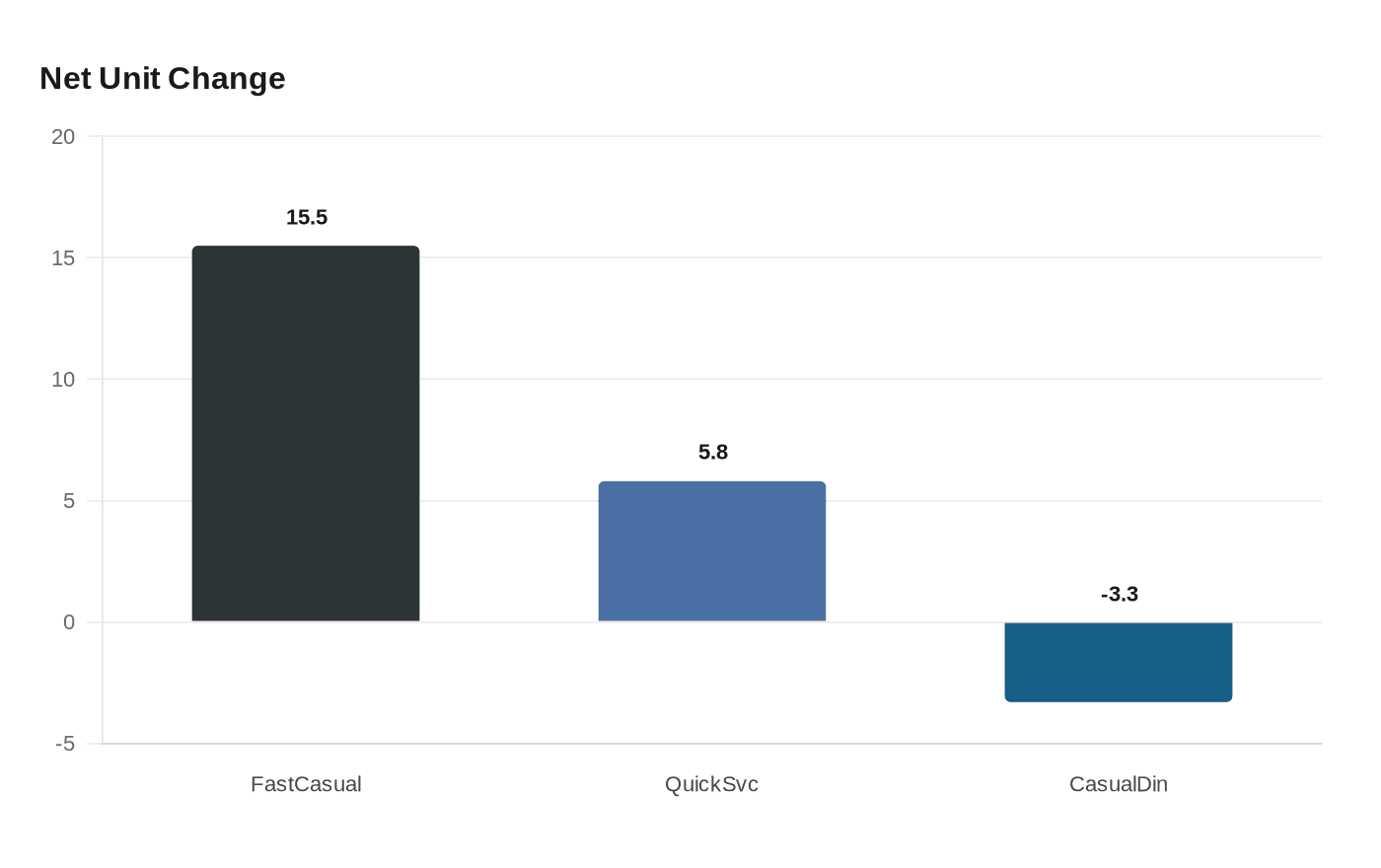
The outlook differs by format. Since 2022 fast casual has posted net unit growth of 15.5% and quick service 5.8%, while casual dining shows a net unit decline of 3.3%. Limited-service formats are less exposed, with just 4% of limited-service units classified as at risk and only 1% losing more than 50% of peak sales in 2025.
Corporate actions already reflect the tightening. Business Insider reported Wendy’s plans to close up to 350 U.S. restaurants in the first half of 2026 and Pizza Hut intends to shutter about 250 U.S. locations in the same period. Papa John’s announced plans to close roughly 200 restaurants in 2026 and to shutter 300 underperforming locations by the end of 2027; the chain’s CFO Ravi Thanawala said closures will primarily affect franchise-owned stores more than 10 years old that “do not indicate long-term profitability.” CEO Todd Penegor added, “We are taking action to better align corporate and field resources with our transformation priorities and optimize spans and layers in our organizations.” Noodles & Company expects to close 30 to 35 locations in 2026, Bloomin’ Brands confirmed more than 40 Outback closures, and outlets such as TGI Fridays, Hooters, and Boston Market have undergone Chapter 11 proceedings, lease nonrenewals, or steep contractions.
Black Box also raises a health-related demand factor, noting many trade areas with high diabetes rates show elevated GLP-1 adoption and a resulting decline in restaurant visits, though the firm did not publish a city-by-city list in the summary available. To respond, Fernandez advised operators to “get ahead of matters by actively cleaning up their portfolio instead of closing reactively. Strategic shutdowns could lead to profitable sales transfers to nearby locations.”
With a roughly one-third rise in operating costs since 2019 and multiple national chains planning targeted closures, 2026 looks set to be a year of portfolio rationalization for restaurants: strategic pruning for some operators, forced shutdowns for the weakest 3% of full-service sites, and continued expansion in fast-casual and quick-service footprints.
Know something we missed? Have a correction or additional information?
Submit a Tip