A beginner’s guide to yoga: styles, poses, breathwork, and safe starts
Learn what yoga does for body and mind, choose the right style, try essential poses and breathwork, use props, and build a safe, steady routine.
1. What yoga is
Yoga is a mind-body practice that blends movement, breath, and attention to improve strength, mobility, and mental clarity. It ranges from gentle restorative sessions to vigorous flow classes, so the practice you experience depends on the lineage and teacher. Practically, yoga trains posture, breath control, and stress resilience, skills you can carry off the mat into daily life.
2. Core benefits to expect
Expect measurable wins: reduced stress, better sleep, and improved focus come early for many newcomers, often within weeks of consistent, short practice. Physical gains include greater flexibility, improved balance, and cardiovascular support from more dynamic styles; mental-health advantages include lowered anxiety and improved mood regulation. These benefits make yoga a potent community tool for wellness programs, workplace breaks, and neighborhood classes.
3. Types of yoga and what they deliver
Different styles cater to different goals, so match the practice to your aim. Vinyasa ties breath to movement for aerobic conditioning and strength building, good if you want heat and flow; Hatha is slower and foundational, ideal for learning alignment and pacing. Yin targets connective tissue with long holds for deep flexibility and nervous-system downregulation, while restorative uses bolsters and props to completely support the body and encourages relaxation. Iyengar emphasizes precise alignment and uses props extensively, which helps students safely work toward complex poses; Kundalini blends movement, breath, and mantra to energize and awaken, leaning more spiritual and internal.
4. Essential beginner poses and simple sequences
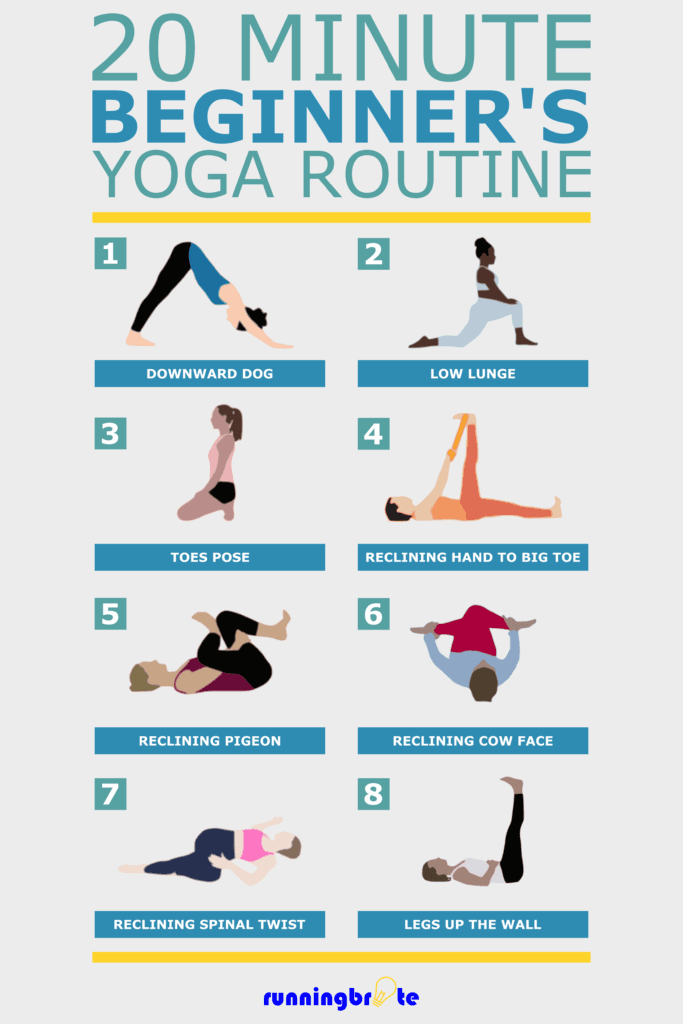
Start with foundational shapes that teach alignment and breath coordination. Include mountain (Tadasana) to root posture, downward-facing dog to lengthen the spine and shoulders, child’s pose to rest, plank for core stability, Warrior II for leg strength and balance, and bridge for posterior-chain opening. Practice a short sequence like modified sun salutations (slow, linked breath to movement) to build heat, coordination, and confidence; 5–10 minutes of a repeatable flow is an accessible daily starter.
5. Breathwork basics: diaphragmatic breathing and Ujjayi
Diaphragmatic breathing (belly breath) trains full, efficient inhalation and calms the nervous system: place hands on the belly, inhale to expand, exhale to soften. Ujjayi breath narrows the throat slightly to create an audible, steady sound and is used to regulate rhythm in vinyasa-style classes and to help focus during effort. Practice both off the mat daily for 3–5 minutes to notice calmer heart rate, better breath control in poses, and increased concentration during classes.
6. How to find an appropriate beginner class
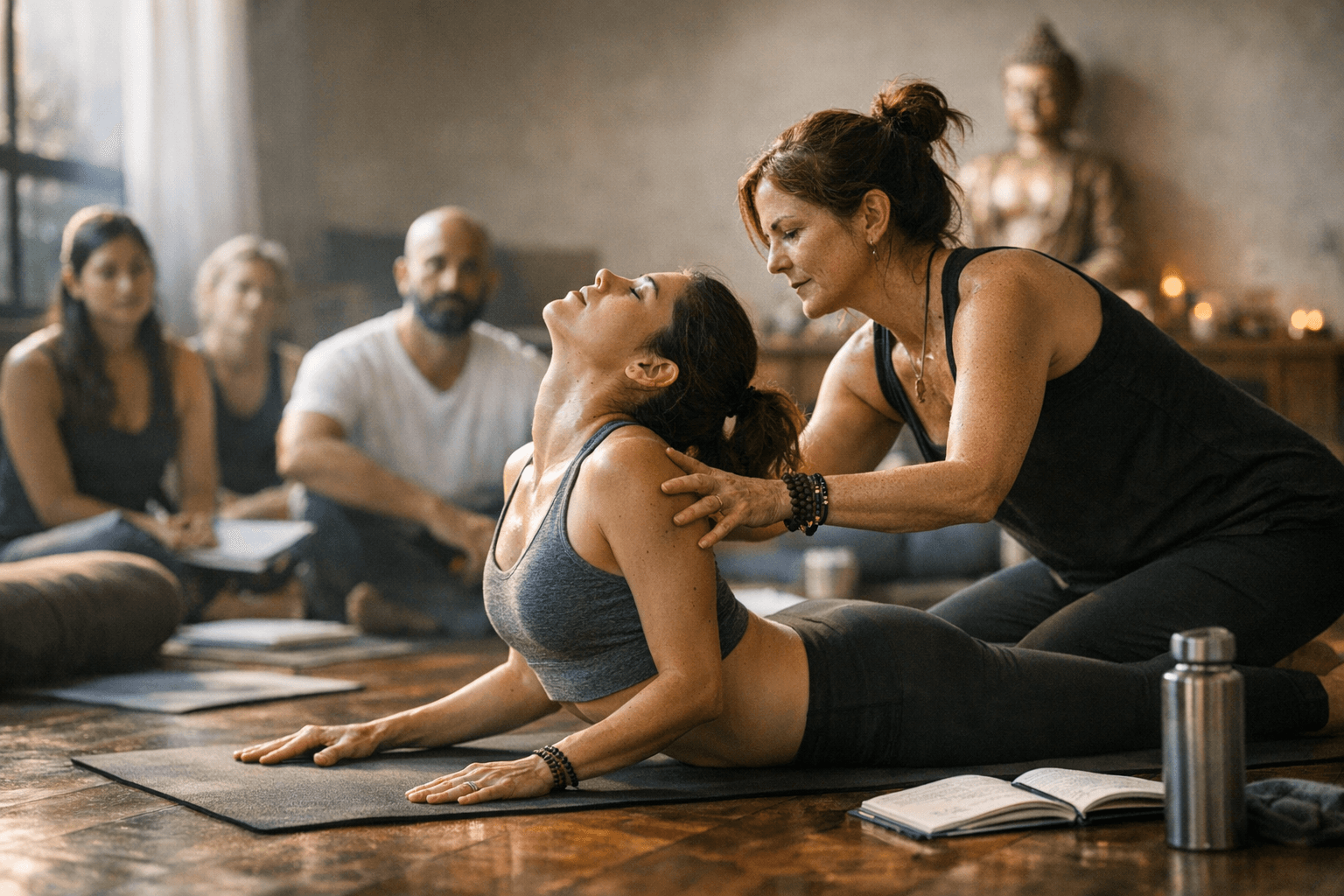
Look for classes labeled “beginners,” “foundations,” or “gentle,” and read teacher bios for experience with modifications and cueing. Ask studios whether teachers offer verbal adjustments or hands-on assists and whether drop-in classes allow modifications for injuries. Community studios, community centers, and certified teachers who welcome questions tend to create safer, more inclusive beginner environments than high-intensity drop-in mills.
7. Class etiquette to keep in mind
Arrive 5–10 minutes early to set up, roll out your mat, and let the teacher know about injuries or concerns; avoid interrupting once class starts. Silence phones, bring your own props if required, and be mindful of space, hold off on conversation during the teacher’s cueing and the closing relaxation. Respect the shared environment: tidy communal props after class and follow any studio-specific rules about shoes, food, or camera use.
8. Using props: blocks, straps, and bolsters
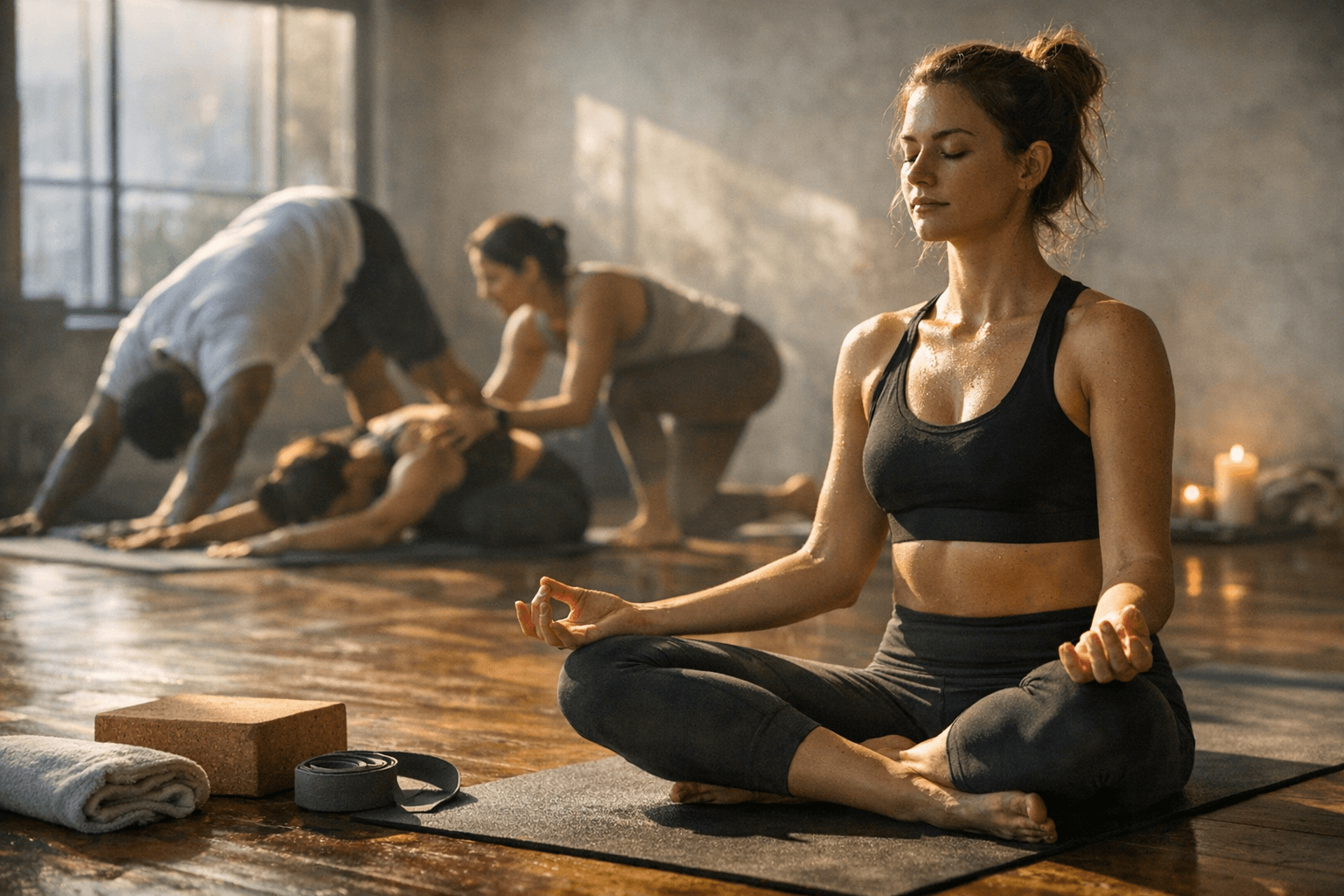
Props are not crutches; they’re alignment tools that make poses accessible and safe. Blocks raise the floor to meet you in standing and forward-folding poses so you can maintain a neutral spine; straps extend reach for binds and hamstring work without rounding the back. Bolsters support long holds in restorative and yin practice to let the nervous system relax deeply; use props to explore proper form before chasing depth.
9. Building a consistent practice that sticks
Short, daily routines beat sporadic long sessions, commit to 10–20 minutes most days and scale up as you build habit and capacity. Journal progress: note how poses feel, what breath patterns help, and small wins like holding plank longer or sleeping better. Prioritize breath and alignment over depth of pose; consistency and mindful form reduce injury risk and compound benefits faster than occasional intensity.
10. Reducing injury risk through gradual progression and modifications
Progress gradually: increase intensity, duration, and complexity in small steps instead of advancing every week. Learn basic modifications, for example, bend the knees in forward folds, use a block under the hand in triangle pose, or drop to the forearms in plank for shoulder relief, and choose pain-free range of motion. Communicate with your teacher when something feels sharp or off and consider a brief consult with a physical therapist when returning from injury.
11. Choosing a style that fits your goals
Match the practice to your aim: pick vinyasa or Ashtanga for strength and cardiovascular fitness, Hatha or Iyengar for alignment and technical learning, yin or restorative for flexibility and relaxation, and Kundalini for energy work and breath-technique emphasis. Trial-and-error helps, sample a few styles and teachers; community studios often offer multi-style passes so you can compare classes and find what helps you show up joyfully.
12. The takeaway?
Our two cents? Start small, lean on props, prioritize breath, and pick a class that meets you where you are, consistency and safety matter more than dramatic poses. Treat yoga like a conversation with your body: listen, modify, and celebrate incremental progress. Roll out the mat, breathe deliberately, and let the practice become the steady place you return to.
Know something we missed? Have a correction or additional information?
Submit a Tip