A Simple Gesture Embraces Total Rewards to Boost Recruitment and Retention
A Simple Gesture is adopting a total rewards approach that treats pay and benefits as a unified system to improve recruitment and retention.
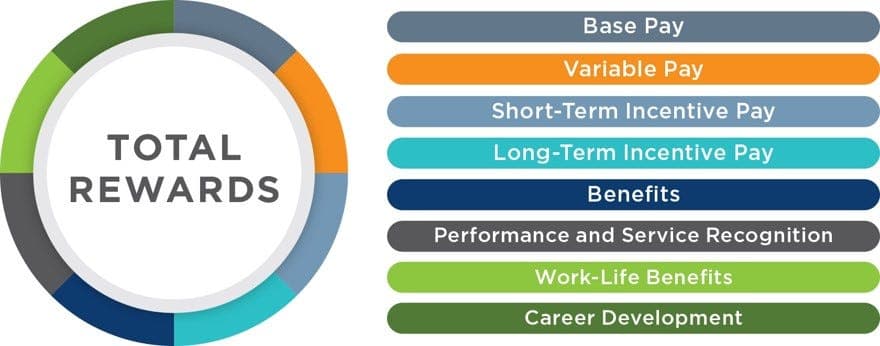
A Simple Gesture is reworking how it compensates and supports staff by embracing a total rewards framework that treats base pay, benefits, and workplace supports as a single strategic system. The move aims to make compensation decisions more defensible, highlight the nonprofit’s full value proposition to employees, and address persistent hiring and retention pressures, particularly among drivers and other deskless staff.
Total rewards combines base pay and variable pay with health and retirement benefits, paid leave, work-life supports such as flexible schedules and caregiving leave, and workplace essentials like lactation spaces. Recognition and development opportunities are also part of the package. For a small nonprofit with limited payroll flexibility, the model shifts attention from single line-item raises to a coordinated package that aligns pay spending with mission priorities.
Implementation at A Simple Gesture will follow core design steps: identify mission-critical roles, benchmark pay against comparable employers, define a written compensation philosophy, set defensible pay bands, and pair pay structures with tailored non-pay benefits. Practical changes under consideration include flexible scheduling for drivers and volunteers, childcare stipends, transportation reimbursements, and clearer benefits communication so employees understand the total value of what the organization provides.
The approach also forces tradeoffs. Salaries often represent the largest share of operating expenses, so A Simple Gesture must decide where to invest, higher base pay, richer benefits, or more flexible work arrangements. Documenting those decisions and the rationale behind pay bands will help when the board, donors, or auditors ask why money was allocated a certain way.

Trends driving the change include a rising share of operating budgets going to salaries and ongoing retention challenges across the nonprofit sector, with deskless and field workers hardest to stabilize. A Simple Gesture plans to use tools such as benefits and pay surveys, checklists, and templates to build and document programs so pay decisions are consistent and transparent. The organization also intends to monitor the impact on recruitment metrics and turnover rates as new measures roll out.
For workers, the shift should bring clearer expectations about pay and more predictable career and compensation paths. Drivers and other frontline staff may see immediate relief from targeted non-salary supports like transit reimbursements or scheduling flexibility that reduce day-to-day strain. At the same time, employees should expect the nonprofit to communicate value differently, emphasizing total rewards rather than just headline salary numbers.
As A Simple Gesture implements the total rewards framework, employees can look for published pay bands, a stated compensation philosophy, and clearer benefit summaries. Other small nonprofits watching recruitment and retention pressures may find the same coordinated approach useful as they balance salary budgets with mission delivery.
Know something we missed? Have a correction or additional information?
Submit a Tip