AAA data shows cold weather slashes EV range far more than heat
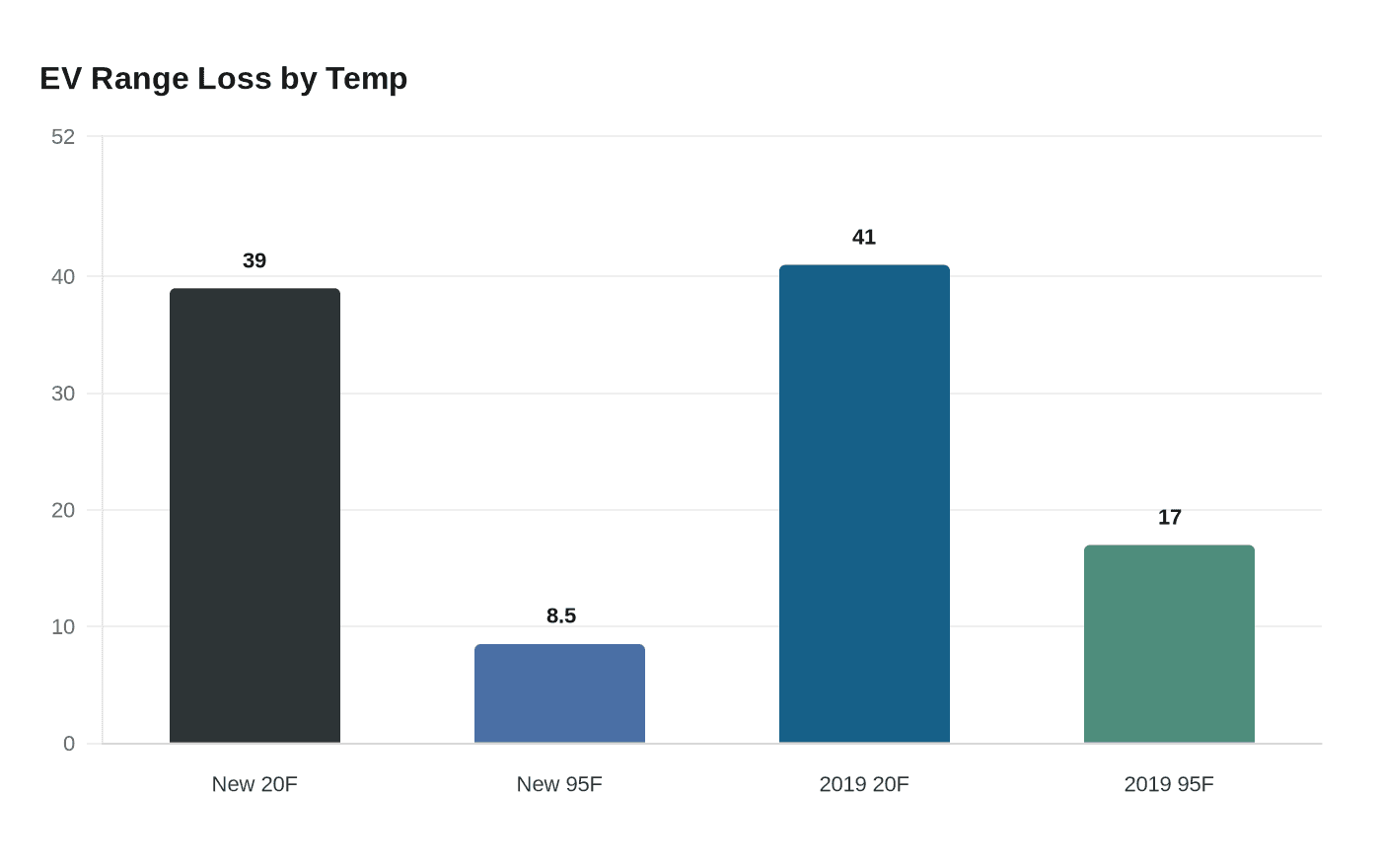
Cold weather cut EV range by 39% in AAA’s latest test, nearly five times the 8.5% loss in 95°F heat.
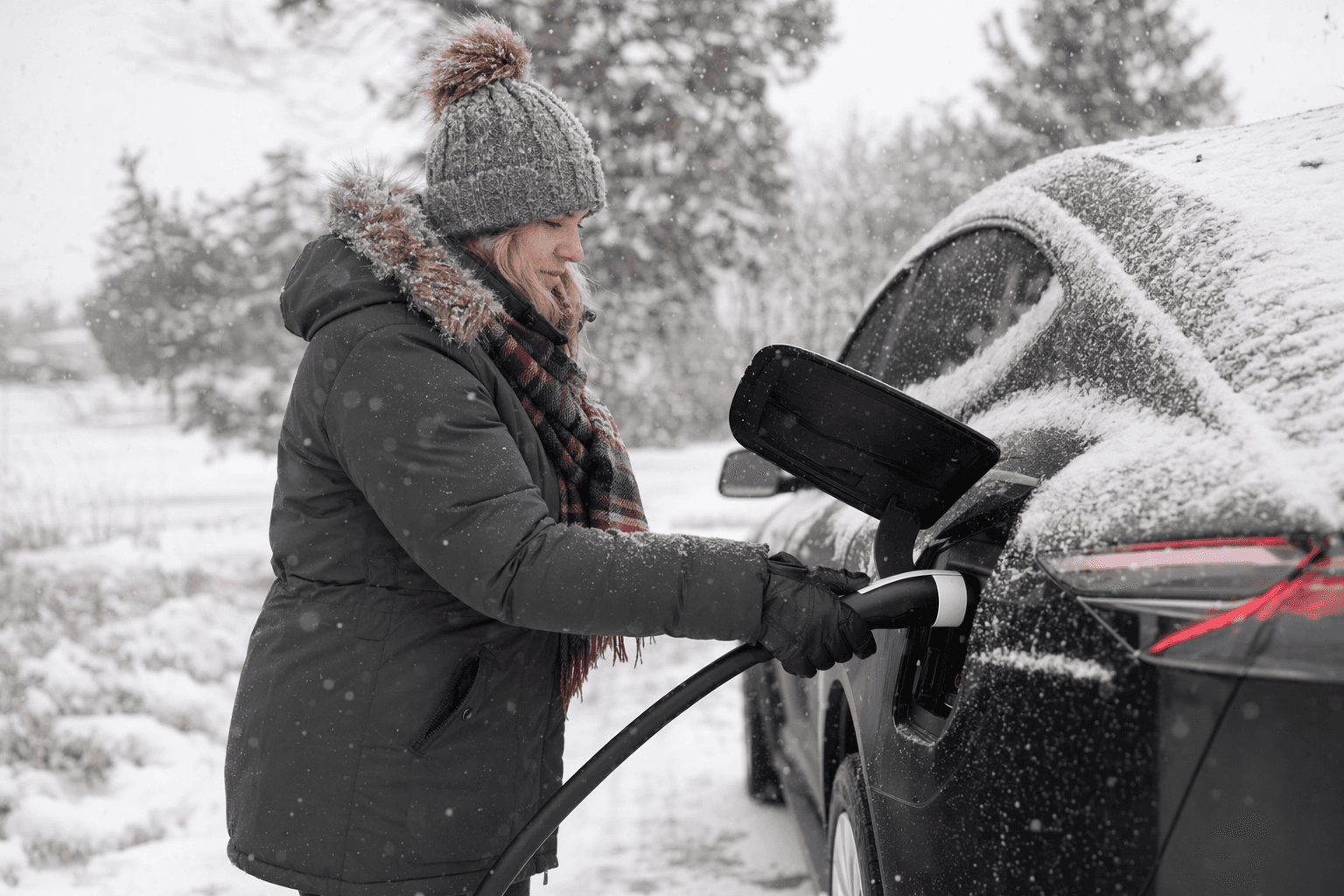
AAA’s newest range test puts a hard number on a problem EV drivers already feel: cold weather hit far harder than heat. In controlled testing at the Automobile Club of Southern California’s Automotive Research Center in Los Angeles, modern battery-electric vehicles lost an average of 39% of range in 20°F weather, while 95°F heat trimmed range by 8.5%.
The gap matters because the biggest surprise for drivers is not the battery itself but the climate control load that comes with extreme temperatures. AAA said EV batteries are most comfortable around 65°F to 75°F, and both hot and cold conditions force the vehicle to work harder to keep the cabin comfortable. That extra demand shows up directly in usable miles, which can change how far a driver can go between charging stops and how much margin remains on a winter road trip.
AAA’s latest result also shows how quickly heat performance has improved, at least relative to the winter problem. In the group’s 2019 testing, hot-weather range loss was 17%, compared with 8.5% in the new work. Winter performance, by contrast, has changed little. AAA said its 2019 report found that using the heater at 20°F cut average range by 41%, nearly the same order of magnitude as the new 39% result. At 95°F, the 2019 report found a 17% decline with air conditioning use, far worse than the latest 8.5% figure.
The testing followed SAE International’s J1634 procedure, which AAA said was designed to measure the effects of ambient temperature on range and equivalent fuel economy in five battery-electric vehicles sold across the United States. The broader message is simple: cabin comfort is one of the biggest factors in real-world EV efficiency, especially when temperatures move away from the 65°F to 75°F band where batteries operate best.
The U.S. Department of Energy has treated that concern as mainstream, noting in a 2024 program record that BEV shoppers and owners still worry about range impacts from extreme temperatures and weather events. That concern comes as battery-electric vehicles have become more common, reaching more than 8% of the light-duty fleet at the end of 2023, up from 1.6% annually in 2020. For shoppers weighing an EV, AAA’s data sharpens the tradeoff: electric cars remain practical in hot and cold climates, but seasonal range loss is real, predictable, and big enough to shape buying decisions, route planning, and charging strategy.
This article was produced by Prism’s automated news system from verified source data, official records, and press releases, then run through automated quality and moderation checks before publishing. The system is built and supervised by the people who set the standards it runs under. Read our full AI policy.
Did this article answer your question?