Artemis II astronaut says seeing all of Earth in one glance was unforgettable
Victor Glover said the view he wants everyone to know was seeing all of Earth in one glance, a reminder that borders vanish when humans go to the Moon.
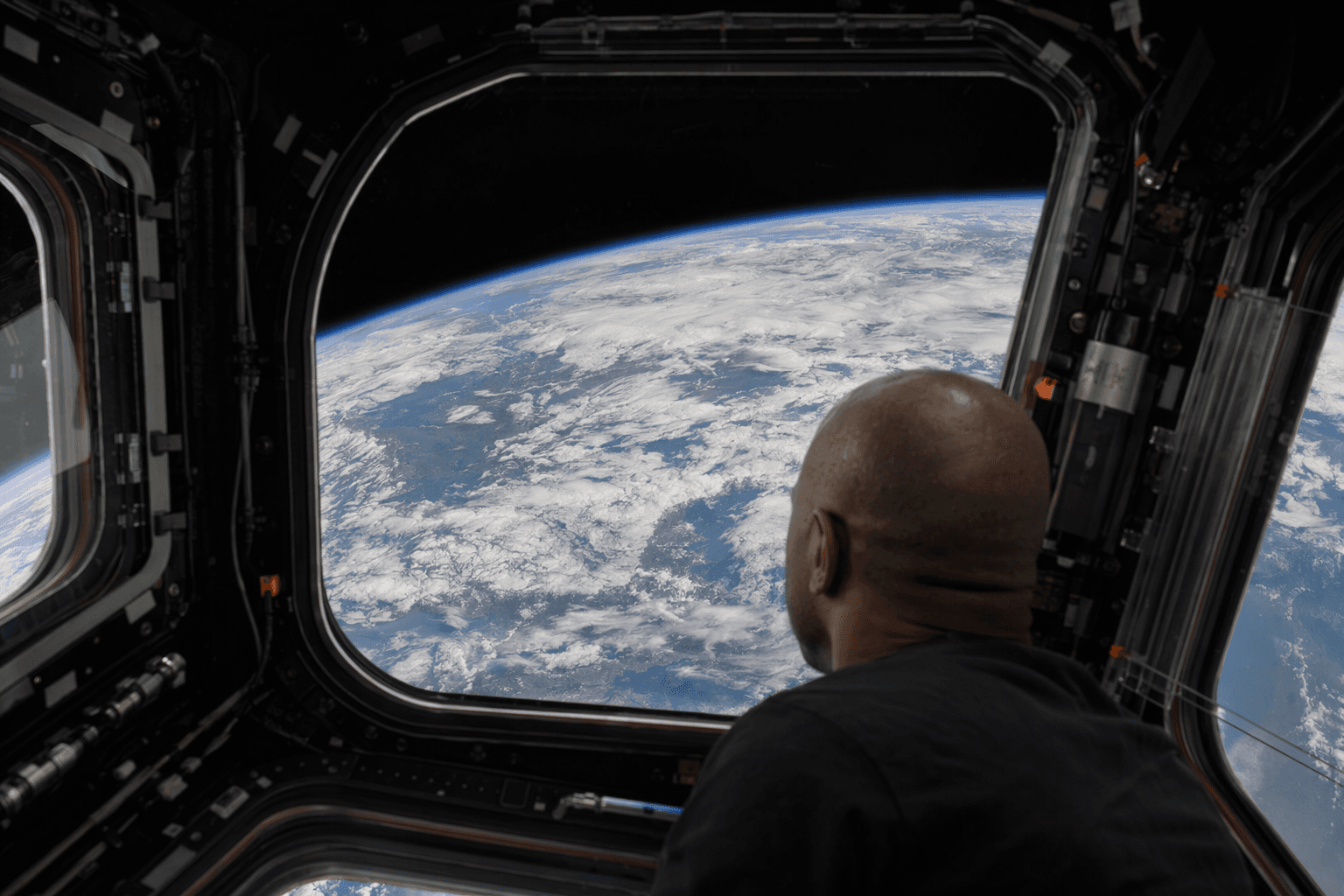
Artemis II returned NASA to the Moon with a view that was as political as it was poetic: a single Earth hanging together in the blackness. Victor Glover, the mission’s pilot, said the perspective that stayed with him was seeing “all of Earth in one glance,” a sight that made the planet look like “one thing” instead of a patchwork of borders.
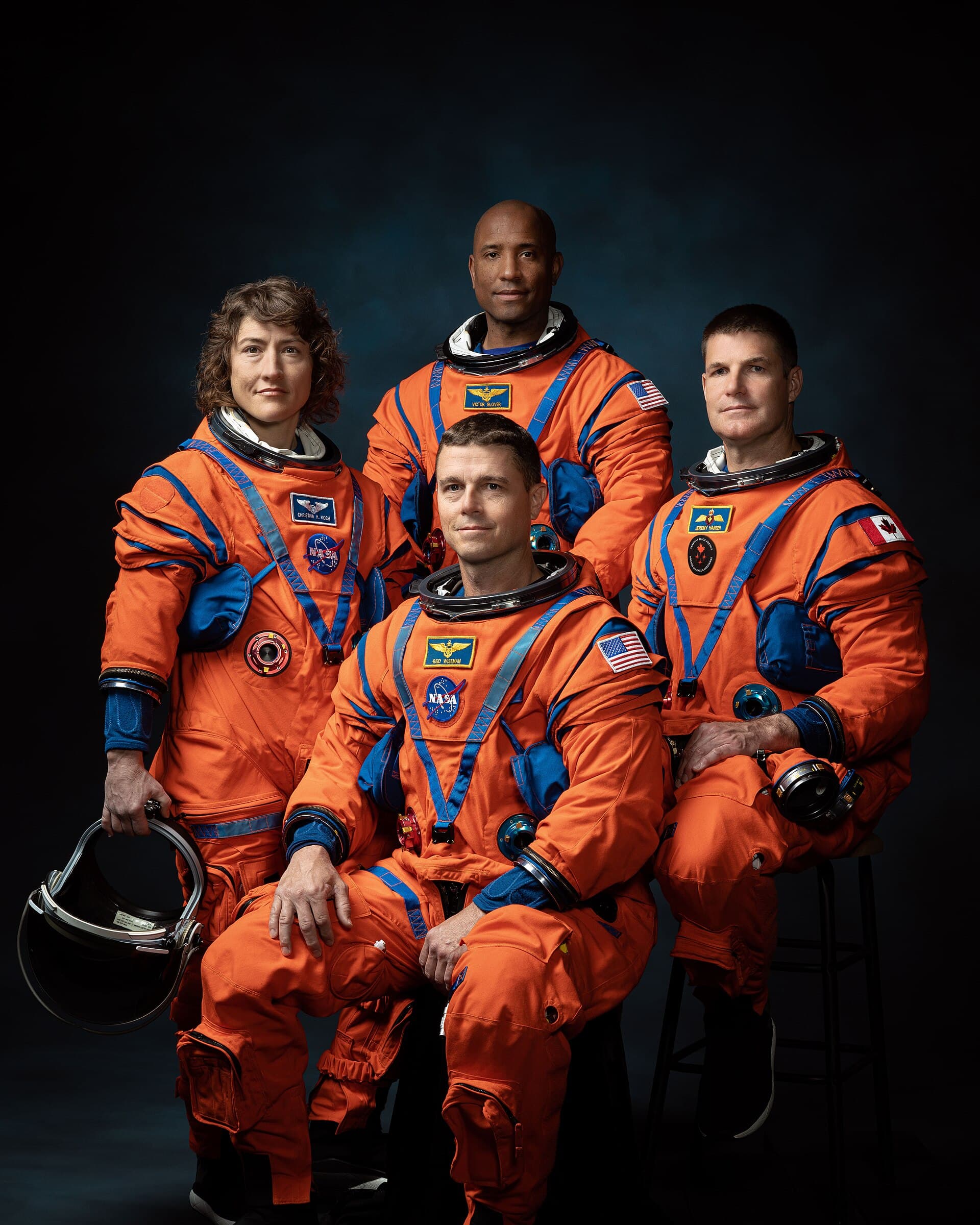
The four-person crew lifted off from Launch Complex 39B at Kennedy Space Center in Florida at 6:35 p.m. EDT on April 1, 2026. Reid Wiseman commanded the flight, Glover served as pilot, Christina Koch flew as mission specialist, and Jeremy Hansen represented the Canadian Space Agency. After 9 days, 1 hour and 32 minutes in space, the spacecraft splashed down in the Pacific Ocean off San Diego at 8:07 p.m. EDT on April 10.

The flight set a new human distance record. Artemis II reached 406,771 kilometers, or 248,655 miles, from Earth, surpassing the benchmark set by Apollo 13 in 1970. It was NASA’s first crewed test flight of the Orion spacecraft around the Moon, and the agency called it the first crewed lunar flyby in 50 years. During the mission, the astronauts completed a roughly seven-hour flyby behind the Moon and endured about 40 minutes of communications blackout, the kind of operational test that NASA says is essential before sending crews deeper into space.
NASA has framed Artemis II as more than a technical rehearsal. The mission was designed to test deep-space systems and prepare for future lunar surface missions and eventual Mars exploration. But the images the crew brought back gave the program something else: a public story about why human spaceflight still matters. NASA released photographs of a crescent Earth, the Moon’s far side and a rare in-space solar eclipse, images that turned a costly engineering milestone into a shared national experience.
That matters at a time when Artemis must keep public and political support for missions that are expensive, complicated and years in the making. Glover’s description of Earth as “one thing” offers a wider argument for sending people beyond it: astronauts do not just collect data. They translate awe into a civic lesson about shared risk, shared responsibility and a planet that looks far less divided when seen from orbit.
This article was produced by Prism’s automated news system from verified source data, official records, and press releases, then run through automated quality and moderation checks before publishing. The system is built and supervised by the people who set the standards it runs under. Read our full AI policy.
Did this article answer your question?