Christina Koch Reflects on Artemis II Moon Flyby, NASA’s Deep Space Test
Christina Koch said Artemis II forced a different kind of flying, where distance from Earth changed risk, health monitoring and crew decisions in real time.
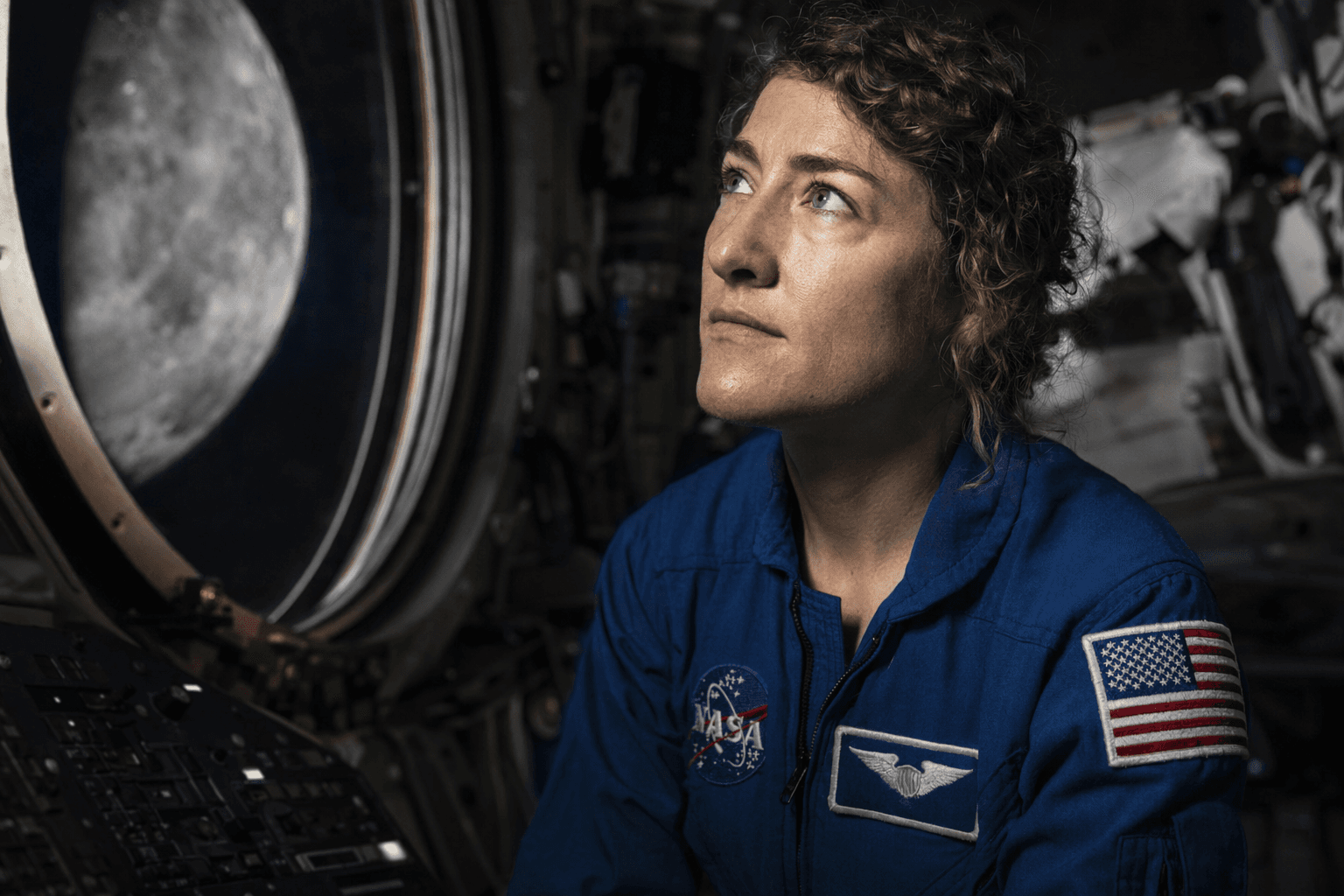
Artemis II pushed human spaceflight into a harsher operating environment than the International Space Station ever does, and Christina Koch’s experience on the mission underscored why NASA treats the lunar flyby as a deep-space test rather than a symbolic trip around the Moon. Koch, who spent 328 consecutive days in space on Expeditions 59, 60 and 61 in 2019, said the comparison with station life is stark: once astronauts leave low Earth orbit, training, isolation, communications timing and on-board decision-making all change because help is no longer close at hand.
Koch flew as a mission specialist with Reid Wiseman, Victor Glover and Jeremy Hansen on Artemis II, NASA’s first crewed test flight under the Artemis program. The mission launched at 6:35 p.m. EDT on April 1 from Kennedy Space Center’s Launch Pad 39B and returned with a splashdown off San Diego at 8:07 p.m. EDT on April 10. Over roughly 10 days, Orion traveled 695,081 miles, came within 4,070 miles of the lunar surface and reached a maximum distance of 252,760 miles from Earth.
That distance is exactly what makes Artemis II different from station work. On the ISS, crews orbit close enough to Earth for far more direct support. On a lunar mission, NASA had to account for higher radiation exposure, longer stretches of autonomy and the reality that crew actions carry more weight when there is no nearby refuge. Koch and her crewmates took part in a suite of human-health studies designed to track how the body responds in deep space, including immune biomarkers, ARCHeR, Standard Measures, radiation sensors and organ-on-a-chip devices.
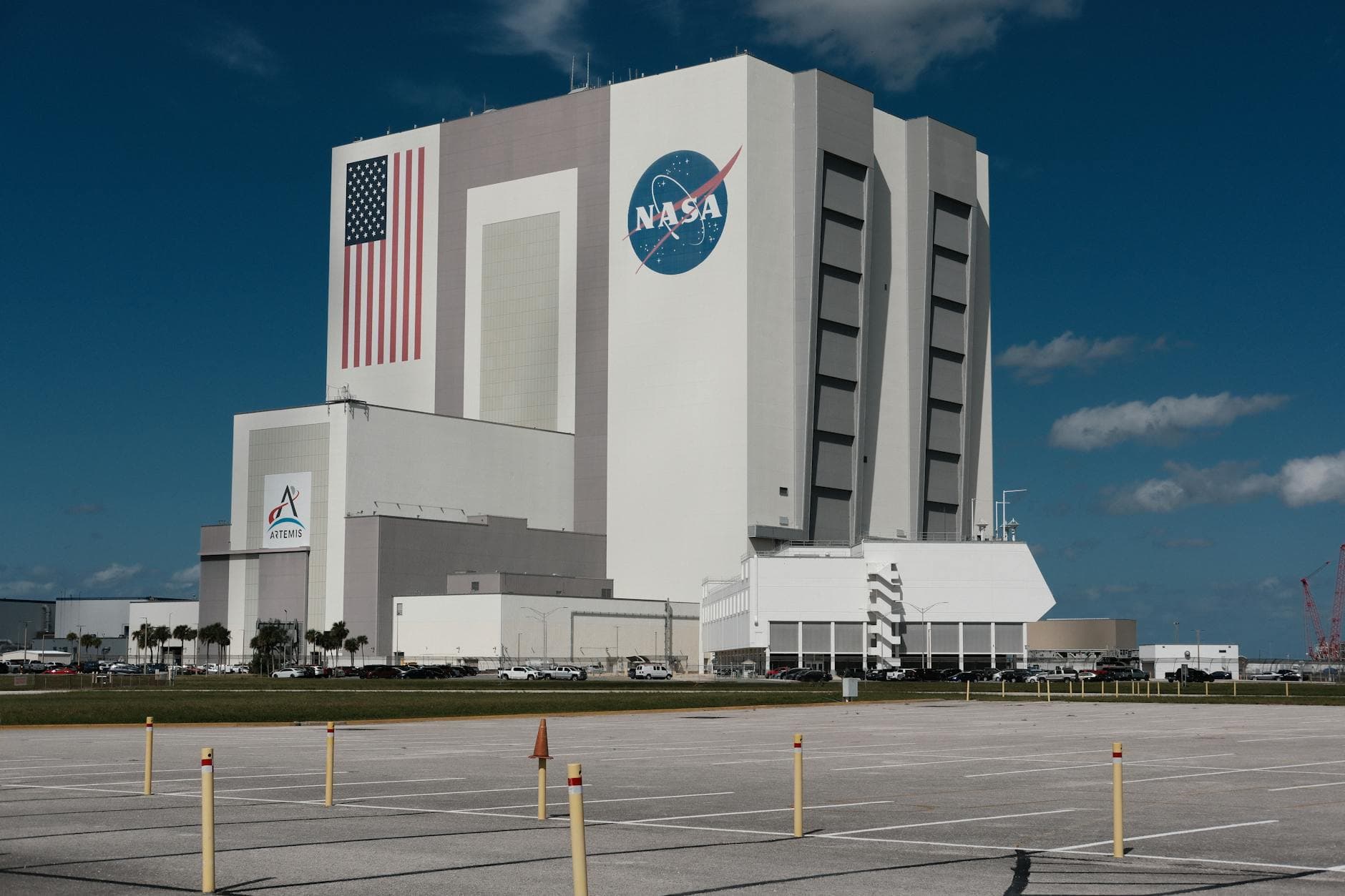
NASA says those studies will help shape future lunar landings and longer missions that could eventually reach Mars. For Koch, who was selected as a NASA astronaut in 2013, Artemis II also marked a career step that bridged two eras of exploration. She had already helped redefine what long-duration flight looks like on the ISS, including taking part in the first all-female spacewalks. Artemis II demanded something else: a crew that could function far from home, with new risks, different communications constraints and a sharper reliance on each other.
The flight was the first crewed lunar voyage since Apollo and the first time four humans traveled around the Moon together in the Artemis era. NASA said the spacecraft and crew completed a successful splashdown and will now feed post-mission analysis that could shape the next stage of American lunar exploration.
This article was produced by Prism’s automated news system from verified source data, official records, and press releases, then run through automated quality and moderation checks before publishing. The system is built and supervised by the people who set the standards it runs under. Read our full AI policy.
Did this article answer your question?

