May Day protests draw hundreds of thousands in Workers Over Billionaires mobilization
Hundreds of thousands walked out for Workers Over Billionaires as May Day tested whether labor anger can become a lasting national force.
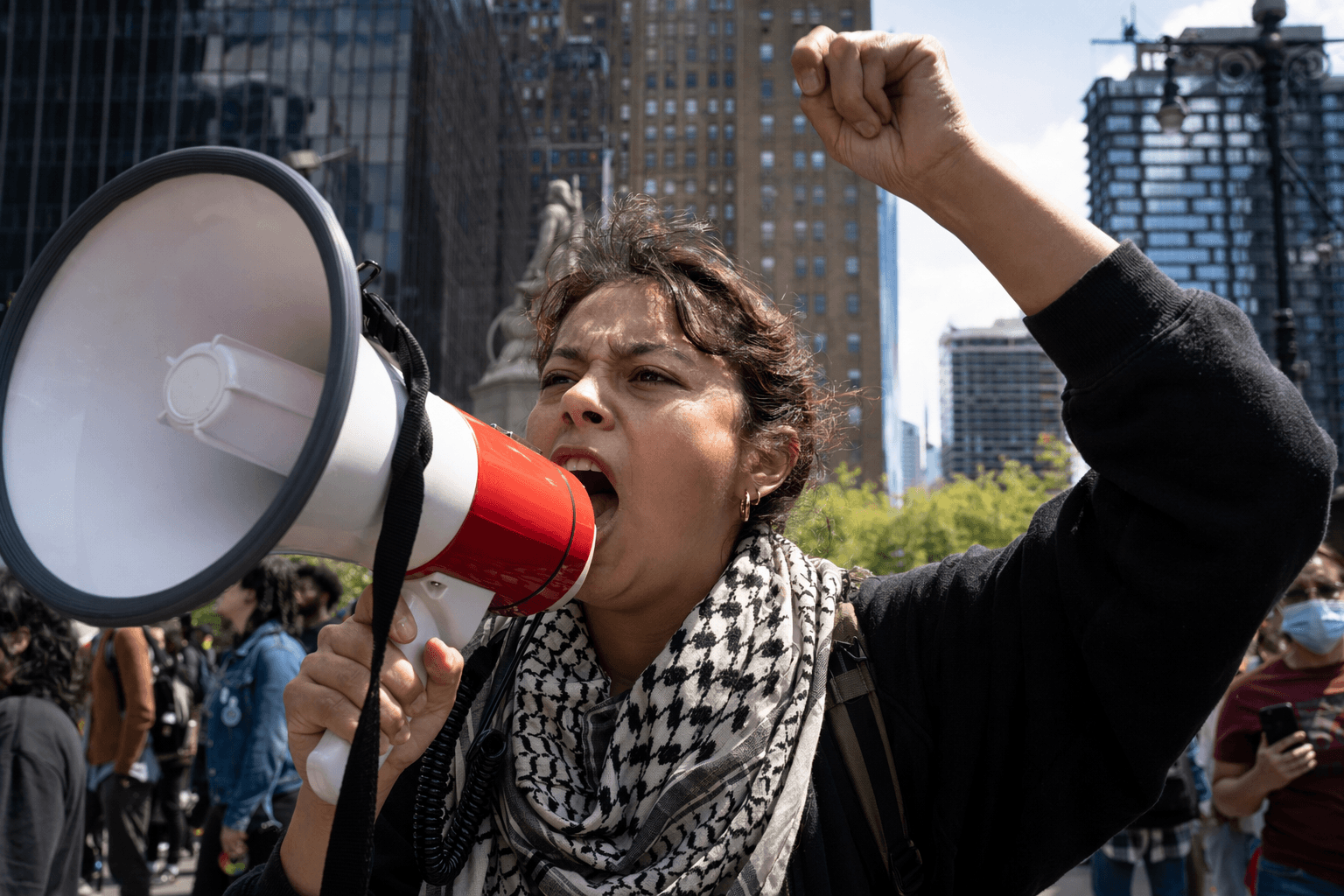
Hundreds of thousands of Americans walked out of work and school on May 1 for Workers Over Billionaires protests, pushing May Day back onto the center of the national political calendar. The mobilization stretched across the country and brought together workers, students and families under a message meant to recast economic frustration as a class-based challenge to concentrated wealth.
May Day Strong organized the actions around the slogan Workers Over Billionaires and urged participants to follow a simple script: “No School. No Work. No Shopping.” The campaign framed the day as a demand for wages that keep up with living costs, more stable schedules, relief from immigration enforcement fears and a broader fight for economic fairness. Organizers described the effort as a nationwide day of rallies, marches and coordinated disruption, not just a symbolic protest.
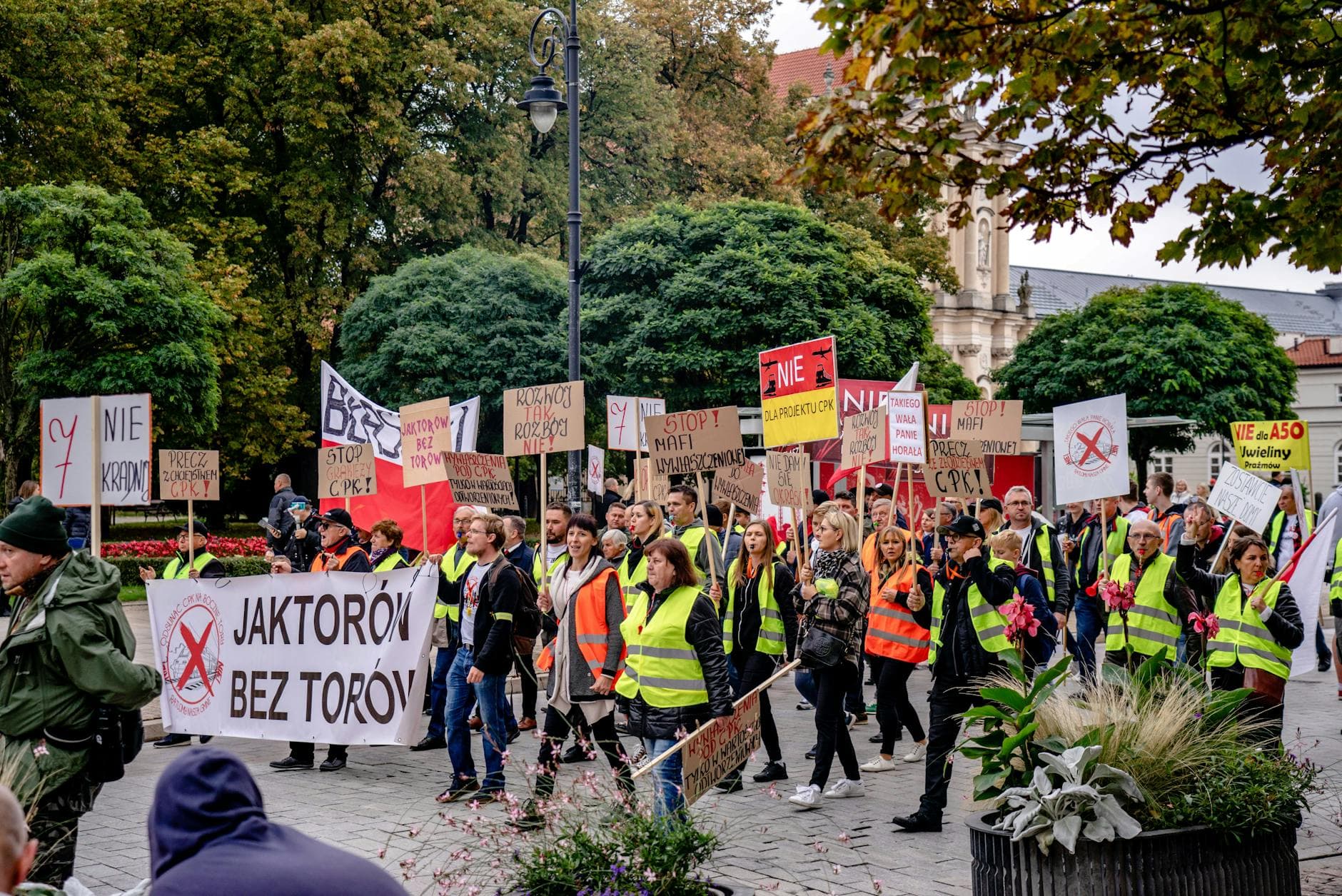
The scale mattered because it pointed to an economy in which organized labor still has room to mobilize. The U.S. Bureau of Labor Statistics said the union membership rate was 10.0 percent in 2025, with 14.7 million wage and salary workers belonging to unions. That was far below the 20.1 percent recorded in 1983, the first year of comparable data, a reminder that even with low union density, worker politics can still generate mass turnout. Black workers had the highest union membership rate in 2025, at 11.4 percent, higher than White, Asian and Hispanic workers.
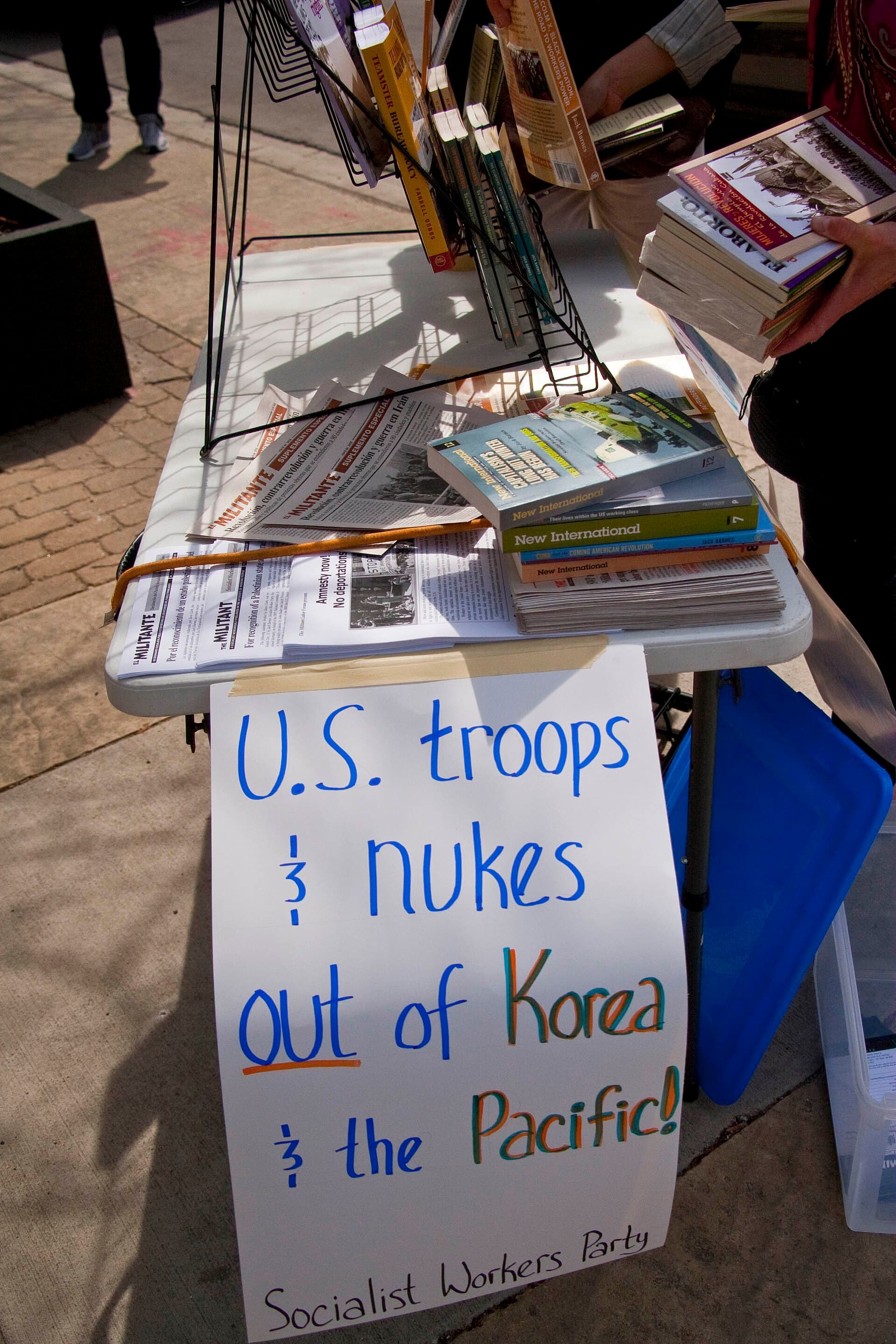
May Day also carried the weight of a long labor history. The Library of Congress says more than 400,000 Chicago workers joined a nationwide general strike for an eight-hour day in 1886, and Britannica says the Haymarket Affair in Chicago on May 4, 1886, later became associated with International Workers’ Day after 1889. The Library of Congress also records a May Day parade in New York City in 1916 that included employees of the Puritan Underwear Company, a sign that the holiday has long been tied to workplace organizing in the United States.
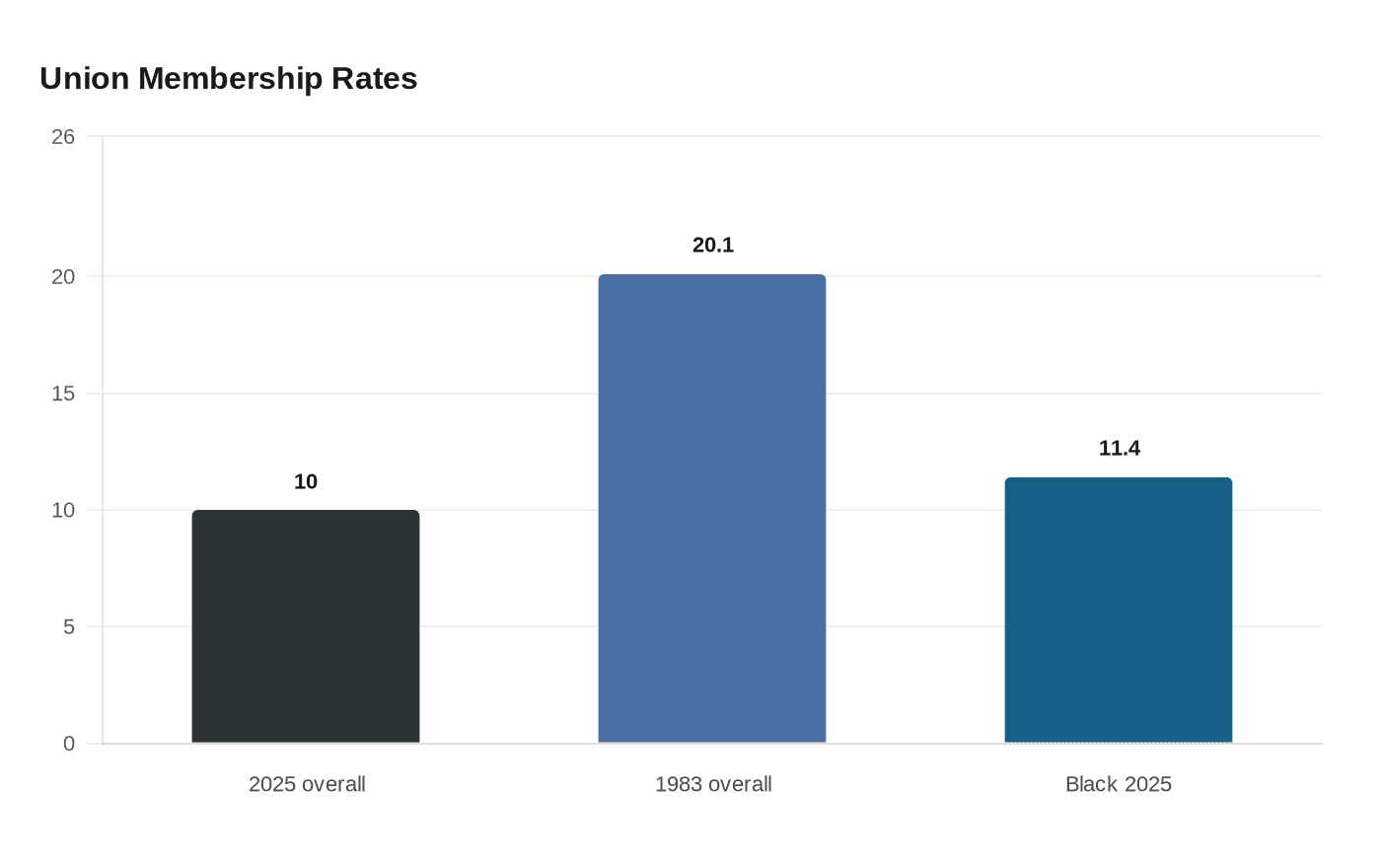
This year’s drive was built on an existing coalition, not a one-day flash. May Day Strong said its Labor Day 2025 Workers Over Billionaires events drew more than 500,000 marchers nationwide, and in Los Angeles the May Day coalition included more than 50 organizations. That breadth suggested a network able to coordinate across cities and causes, from labor rights to cost-of-living politics, and it made May Day look less like a relic than a recurring test of worker power.
This article was produced by Prism’s automated news system from verified source data, official records, and press releases, then run through automated quality and moderation checks before publishing. The system is built and supervised by the people who set the standards it runs under. Read our full AI policy.
Did this article answer your question?

