Pentagon expands secure AI deals with six firms, widens Google use
The Pentagon moved Google’s Gemini into classified work while Anthropic stayed barred, deepening a fight over who will build the military’s AI stack.
The Pentagon said it had reached agreements with seven AI companies to push advanced models onto its classified networks, a sign that the military is trying to spread risk instead of locking itself to a single supplier. SpaceX, OpenAI, Google, NVIDIA, Reflection, Microsoft and Amazon Web Services will be folded into the Pentagon’s Impact Levels 6 and 7 environments, where sensitive work such as mission support and decision-making tools can be handled more securely. The department said its GenAI.mil platform had already been used by more than 1.3 million Defense Department personnel after five months, a pace that shows how quickly AI has moved from pilot programs into day-to-day military workflow.
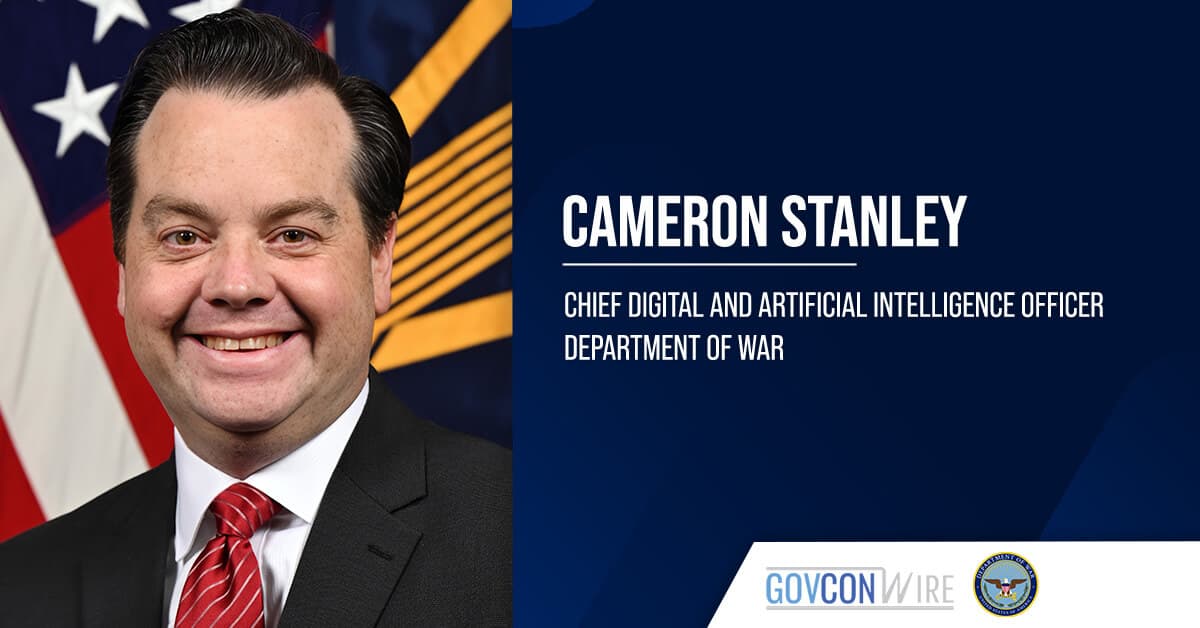
That expansion is also a hedge against vendor dependence. Cameron Stanley, the Pentagon’s chief digital and artificial intelligence officer, said, “Overreliance on one vendor is never a good thing,” and the department has widened its use of Google’s Gemini for classified projects as part of that strategy. Stanley said the model is helping save thousands of man-hours each week, while the Pentagon’s broader goal is to streamline data synthesis, sharpen situational understanding and improve warfighter decision-making. The move fits a larger Defense Department push, laid out in January, to make the military an AI-first force and to lower barriers that slow adoption of commercial systems.
The most visible fracture in that strategy is Anthropic. The Pentagon designated the company a supply-chain risk earlier this year, which cut it off from Defense Department contracts, and a federal appeals court in Washington, D.C., refused to temporarily block that blacklisting while litigation continues. In a separate case, a San Francisco judge granted Anthropic a preliminary injunction that blocked enforcement of a ban on Claude, leaving the company able to keep working with other federal agencies even as it remains shut out of Pentagon work. Anthropic had previously been among the first frontier AI developers cleared for classified military use, and Reuters has reported that it held a $200 million Defense Department contract before the policy clash hardened.

The dispute has become more than a contract fight. Anthropic has argued that limits on military use are needed to prevent mass surveillance and autonomous lethal weapons, while Pentagon officials have pushed for broader access and fewer restrictions on classified networks. President Donald Trump said last week that it was possible a deal could still be reached allowing Anthropic’s models inside the Defense Department, leaving open a possible compromise even as the department builds a wider AI bench around it. The outcome will help decide not just who sells the Pentagon its models, but who gets to define the rules for America’s military AI stack.
This article was produced by Prism’s automated news system from verified source data, official records, and press releases, then run through automated quality and moderation checks before publishing. The system is built and supervised by the people who set the standards it runs under. Read our full AI policy.
Did this article answer your question?

