AAA says EV road trips can cut costs as gas hits four-year high
Gas averaged $4.56 a gallon for Memorial Day, and AAA says the savings on an EV only appear when charging is cheap, quick and predictable.
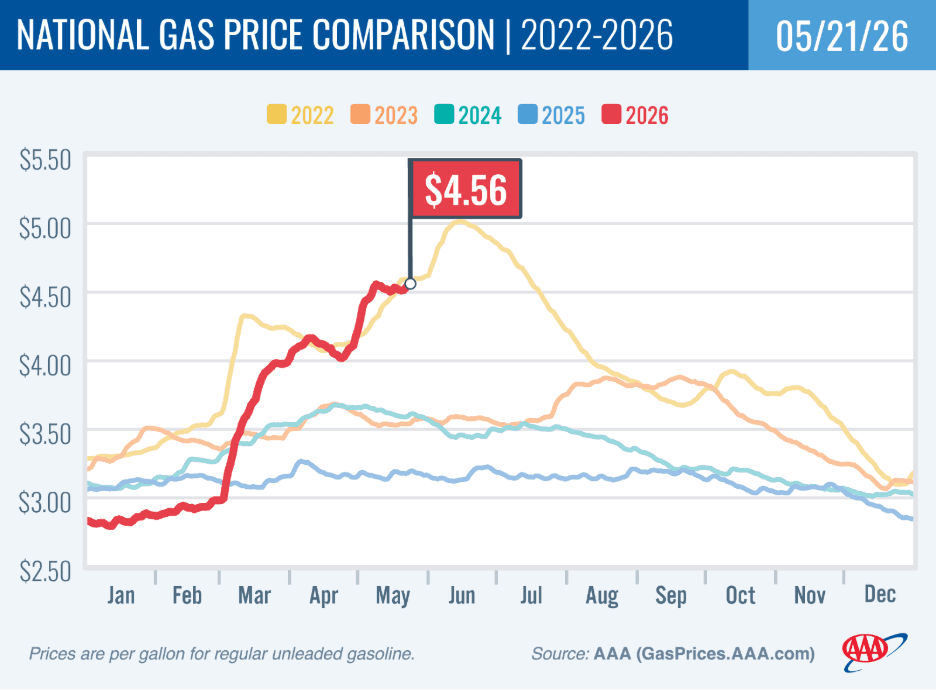
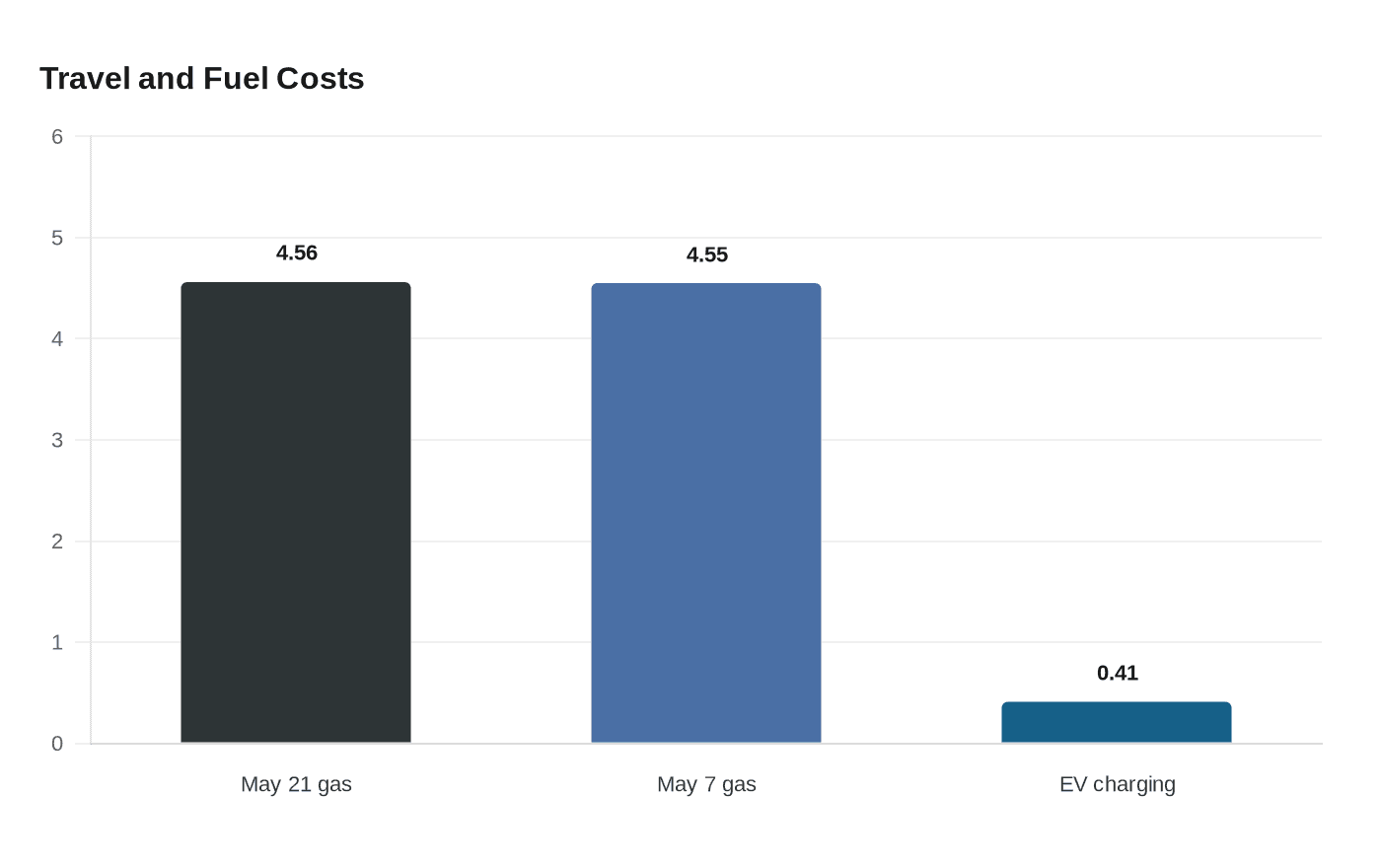
AAA’s Memorial Day numbers put a hard price tag on summer travel: regular gasoline hit $4.56 a gallon on May 21, the highest for the holiday weekend in four years, just as 45 million Americans prepared to travel at least 50 miles from home. That was slightly above last year’s 44.8 million travelers and enough to push more renters toward electric vehicles, especially as families look for ways to blunt fuel costs.
The math is not simple. AAA said public EV charging averaged 41 cents per kilowatt hour in early May, while the national gas average had already climbed to $4.55 on May 7, the highest since 2022. AAA tracks prices at about 130,000 gas stations and publishes daily charging averages, but the cost advantage depends on how the trip is powered. Recharging from empty can take 10 hours or more on household current, a higher-power 240-volt setup can cut that time by more than half, and DC fast charging typically adds about 150 miles of range in roughly 30 minutes.
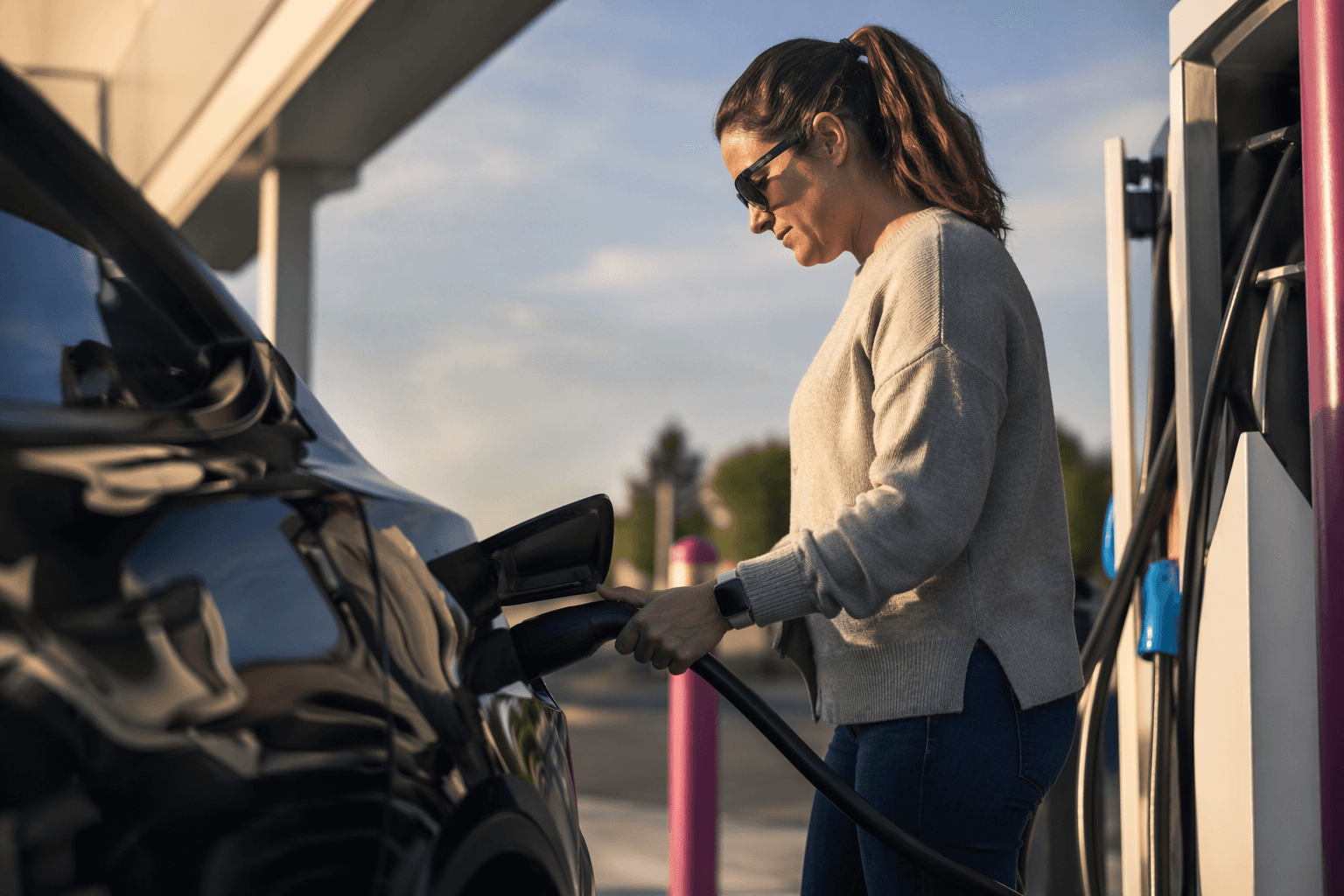
That leaves the biggest savings for travelers who can plug in overnight. In Austin, Hertz was listing EV rentals in May at about $300 to $415 for a week, roughly comparable to a gas-powered economy car. For a one-week city stay or a route with hotel charging, that kind of pricing can make the EV the cheaper option because the driver avoids repeated gas fill-ups at $4.56 a gallon and can recharge while parked. Consumer Reports also said rental car prices were about 35 percent higher than before the pandemic, so any car that starts close to an economy rate looks more attractive if charging is easy and add-on fees stay contained.
The picture changes fast on longer road trips. Consumer Reports warned that cheaper rentals often come with restrictions and extra charges, while Forbes said range anxiety and charging availability remain practical concerns. For a driver covering long interstate legs with no guaranteed overnight plug, the savings can disappear into public charging stops, slower trip times and the cost of relying on 41-cent kilowatt-hour electricity away from home. AAAs’ message is clear: an EV can cut costs, but only when the itinerary fits the charging network.
Know something we missed? Have a correction or additional information?
Submit a Tip