Abbott wins FDA clearance for CardioMEMS HERO reader, a 60% lighter travel-friendly monitor
Abbott said the FDA cleared CardioMEMS HERO, a laptop-case-sized reader that is 60% lighter, sends daily PA pressure readings in about 60 seconds and will roll out in the U.S. soon.
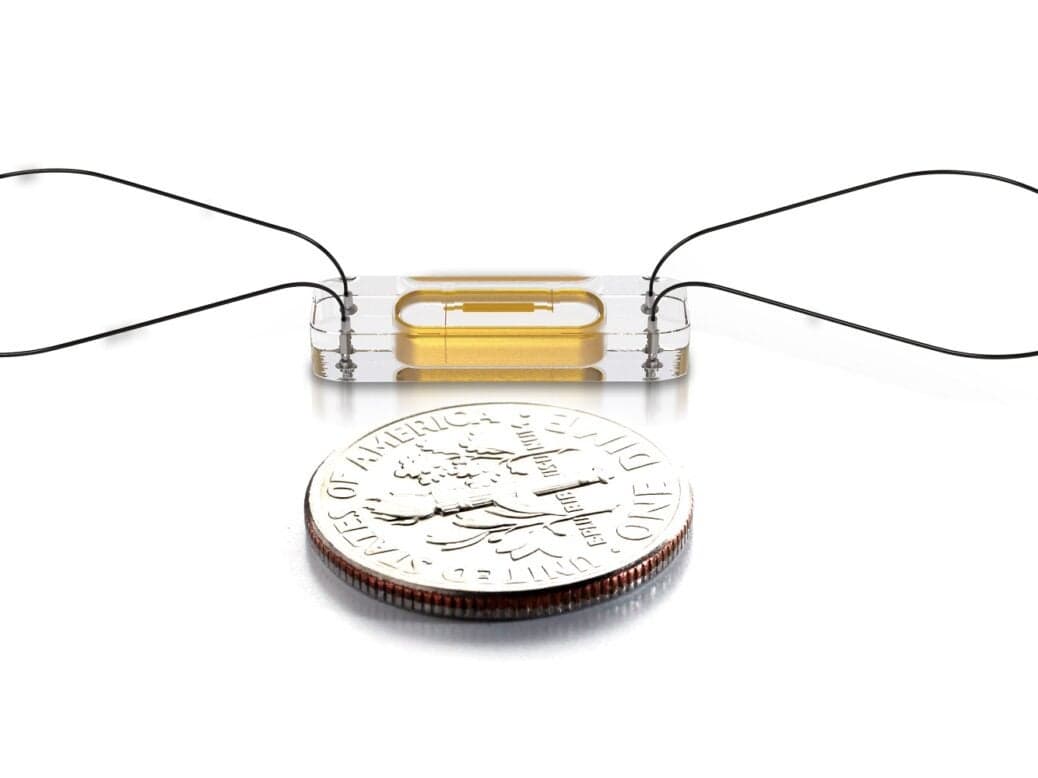
Abbott announced that the U.S. Food and Drug Administration has cleared an updated reader for its CardioMEMS heart‑failure monitoring system, a step the company said will make daily pulmonary artery pressure monitoring easier and more portable for patients and clinicians. The new reader, branded CardioMEMS HERO, is similar in size to a laptop case, 60% lighter than previous models and equipped with built-in Wi‑Fi and cellular connectivity so patients can take readings in more locations, the company said.
Patients using the system lie on their back centered on the HERO reader for roughly 60 seconds or less while the implanted CardioMEMS pulmonary artery sensor, described by Abbott as paperclip-sized and wireless and battery-free, transmits a pressure measurement. That single brief measurement is then securely transmitted to the patient’s care team, which receives daily pulmonary artery pressure trends intended to signal worsening heart failure before symptoms become apparent.
Abbott indicated it will soon begin a commercial release of the HERO reader in the United States. Company executives framed the device as a modernization of a remote-monitoring platform already in clinical use. Finn Gustafsson, M.D., Ph.D., chief medical officer and divisional vice president of Abbott’s heart failure business, said, “Abbott’s CardioMEMS Hero reader is modernizing a proven and effective remote patient management system, making it even more convenient for patients to use a device that has shown a 57% reduction in heart failure hospitalizations. With this new reader, people can work with their doctors to proactively manage their condition outside of the doctor’s office even more efficiently – increasing convenience and the patient experience.”
Clinician advocates highlighted the anticipated workflow and patient-experience improvements. JoAnn Lindenfeld, M.D., director of advanced heart failure at Vanderbilt University Medical Center in Nashville, Tenn., who served as primary investigator for the GUIDE‑HF study, said, “Data from CardioMEMS HF System clinical trials show the positive impact the device has on reducing the risk of heart failure hospitalizations and cardiovascular death. HERO is likely to significantly enhance data acquisition and patient interactions with this life‑changing technology. HERO is lighter, more comfortable, and easier to transport and use which improves patient experience.”
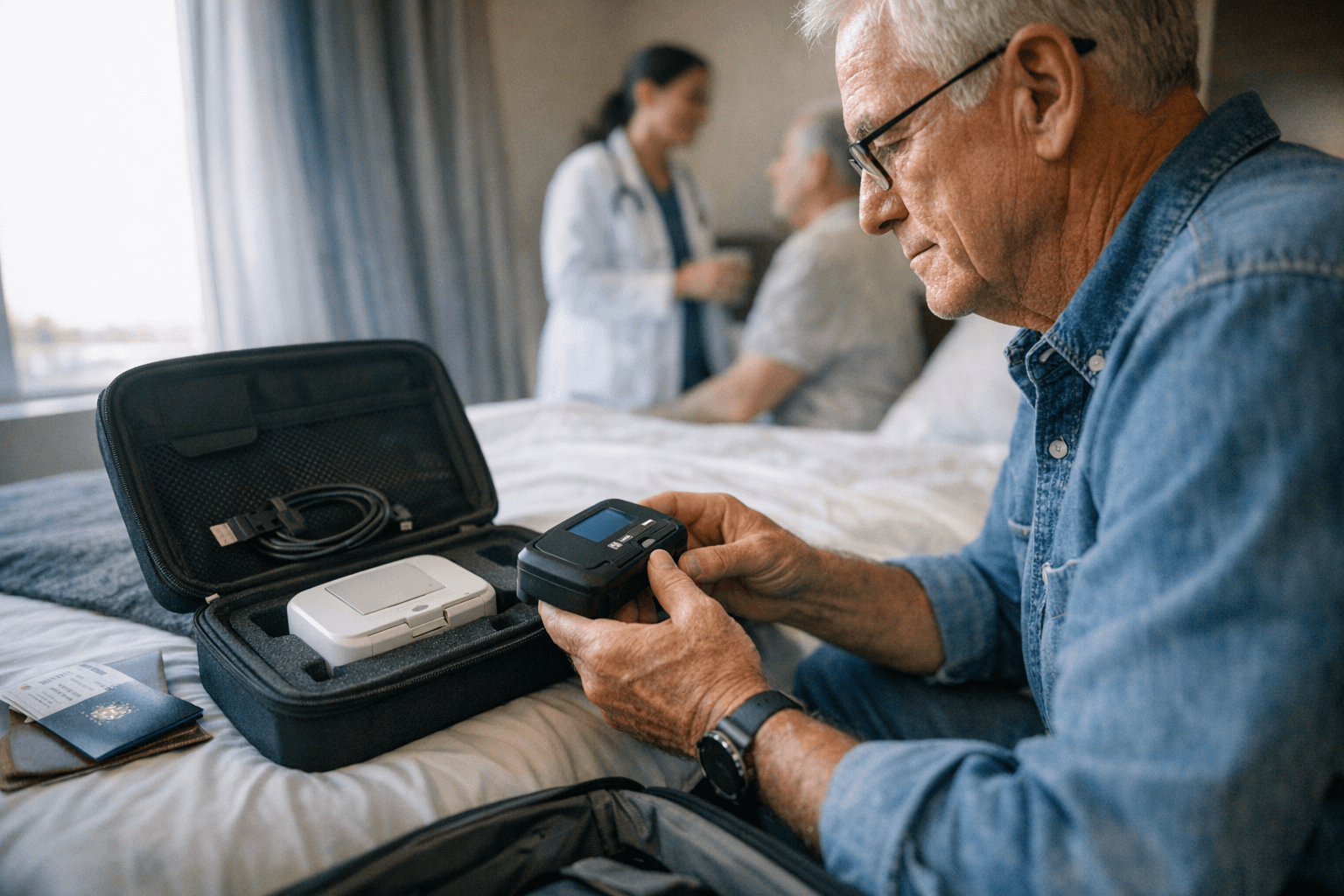
The device remains compatible with commercially available CardioMEMS pulmonary artery sensors, preserving the implanted component while redesigning the bedside reader. Abbott and clinical proponents argue that a smaller, travel-friendly reader could increase adherence to daily measurements and expand monitoring beyond the home setting, enabling clinicians to adjust medications or recommend lifestyle changes earlier and potentially avert hospital admissions.
From a market perspective, the clearance positions Abbott to push further into the remote heart‑failure management market at a time when hospitals and insurers are focused on reducing readmissions and outpatient costs. Abbott’s claim of a 57% reduction in heart failure hospitalizations, presented by company leadership, underscores the economic case the company is likely to make to providers and payers, though the company and independent reviewers will need to supply trial details and regulatory summaries as adoption grows.
Regulatory documents and the company’s commercial launch timetable should clarify the precise FDA pathway and the timing of broader availability, pricing and reimbursement plans. For patients who travel or live away from specialty centers, Abbott’s smaller, connected reader seeks to turn a cumbersome daily measurement into a portable, under‑one‑minute routine that feeds clinicians continuous data on a chronic and costly condition.
This article was produced by Prism’s automated news system from verified source data, official records, and press releases, then run through automated quality and moderation checks before publishing. The system is built and supervised by the people who set the standards it runs under. Read our full AI policy.
Did this article answer your question?