Abelardo de la Espriella leads Colombia runoff as Cepeda disputes count
Abelardo de la Espriella edged Iván Cepeda by 49.7% to 48.7%, but Colombia’s runoff was still unsettled as manual counts and ballot-box challenges loomed.

Abelardo de la Espriella held a narrow lead in Colombia’s presidential runoff, but the result remained unsettled as Iván Cepeda disputed the preliminary count and election officials prepared a slower manual tally that could take days. With more than 99% of ballots counted, de la Espriella had 49.7% to Cepeda’s 48.7%, a gap of roughly 248,000 votes, while the remaining ballots were blank votes.
Cepeda said the preliminary count was “not yet official or binding,” and his campaign said it would challenge results from around 33,000 ballot boxes. Gustavo Petro also alleged irregularities in the preliminary count and urged calm, underscoring how close the race remained even after the first wave of returns. The quick count pointed to de la Espriella, but the final official result still depended on Colombia’s slower manual verification process and any disputes raised before electoral judges.
The runoff followed a tight first round on May 31, when de la Espriella won nearly 44% and Cepeda just under 41%, enough to push both men into a head-to-head contest. Security and the economy dominated voter concerns, a reflection of a country where armed conflict has intensified in recent years as armed groups and cartels expand their control over drug-trafficking routes and illegal mining.
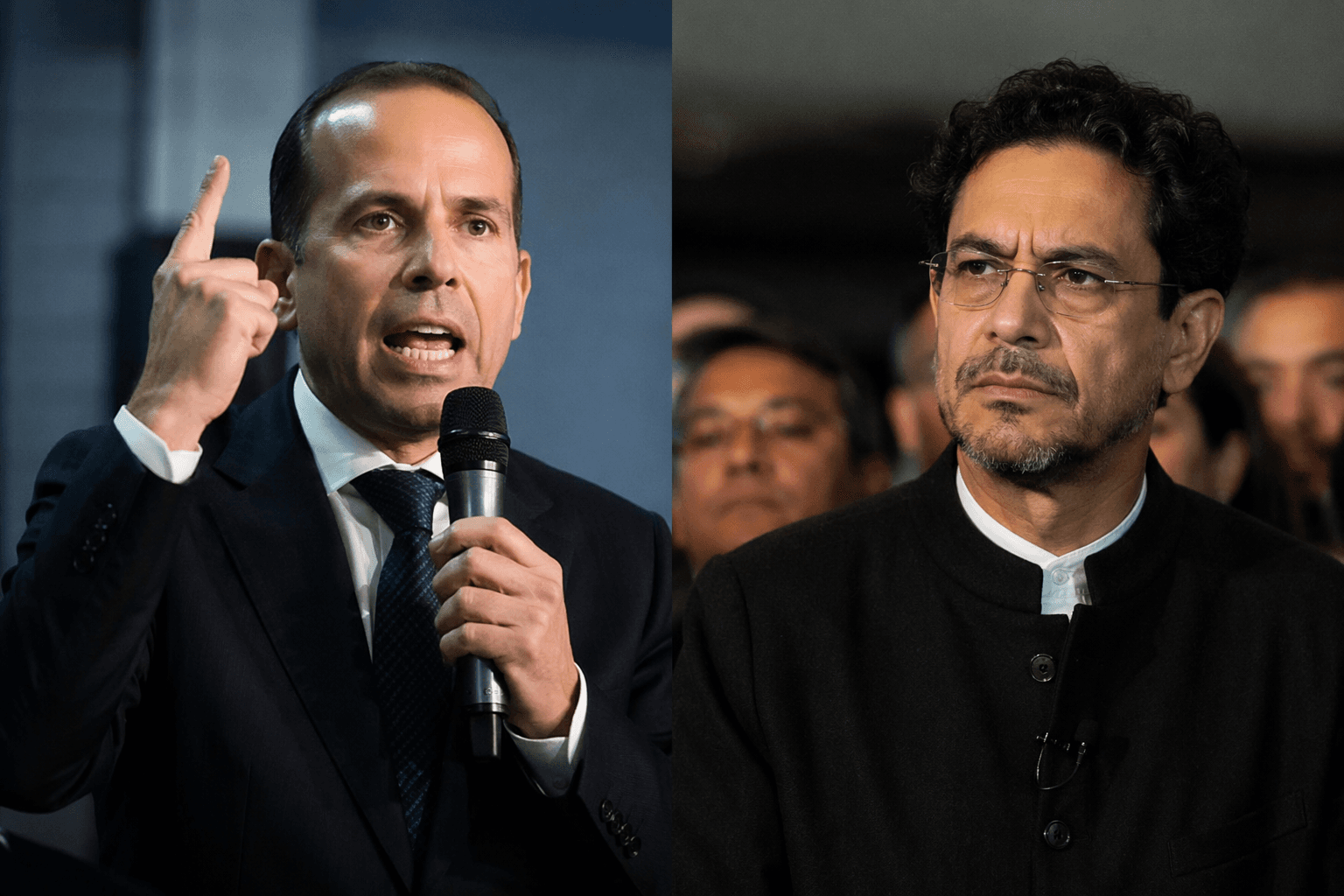
The race pitted a 47-year-old millionaire businessman and criminal defense attorney with no elected experience against Cepeda, a 63-year-old longtime senator and activist and the son of a murdered communist leader. De la Espriella, known by the nickname “El Tigre,” campaigned as a hardline outsider. His platform called for a military offensive against guerrilla groups, strikes against drug-smuggling aircraft and boats, ten “mega prisons,” and a wider opening for fracking and hydrocarbon and mining development. He has also said he would reverse Petro-era restrictions on new oil and mining contracts.
The political contrast was stark. De la Espriella framed Cepeda as Petro’s heir, while Cepeda denounced his rival as a “mafia fascist.” The broader field had already fractured the right, leaving centrists polling in single digits and making room for an outsider campaign built on order, punitive security policy and economic deregulation.
De la Espriella’s candidacy also carried an international charge. Backed by Donald Trump, he cast his victory as the start of a new stage for Colombia and as a mandate for a “great, safe, and prosperous” country. If the lead survives the manual count, his rise would mark a sharp turn in Colombian politics, deepening polarization at home and opening a new chapter in ties with Washington.
This article was produced by Prism’s automated news system from verified source data, official records, and press releases, then run through automated quality and moderation checks before publishing. The system is built and supervised by the people who set the standards it runs under. Read our full AI policy.
Know something we missed? Have a correction or additional information?
Submit a Tip