Japan raises visa fees fivefold for foreign travelers
Foreign travelers to Japan will soon pay 15,000 yen for a single-entry visa, up from 3,000 yen, as Japan makes its first visa fee hike since 1978.
Foreign travelers to Japan will soon pay sharply more for entry, with single-entry visa fees rising to 15,000 yen from 3,000 yen and multiple-entry visas climbing to 30,000 yen from 6,000 yen. The Japanese government approved the change at a cabinet meeting on June 19, its first revision of visa fees since 1978, and said the new rates will apply to applications submitted on or after July 1.
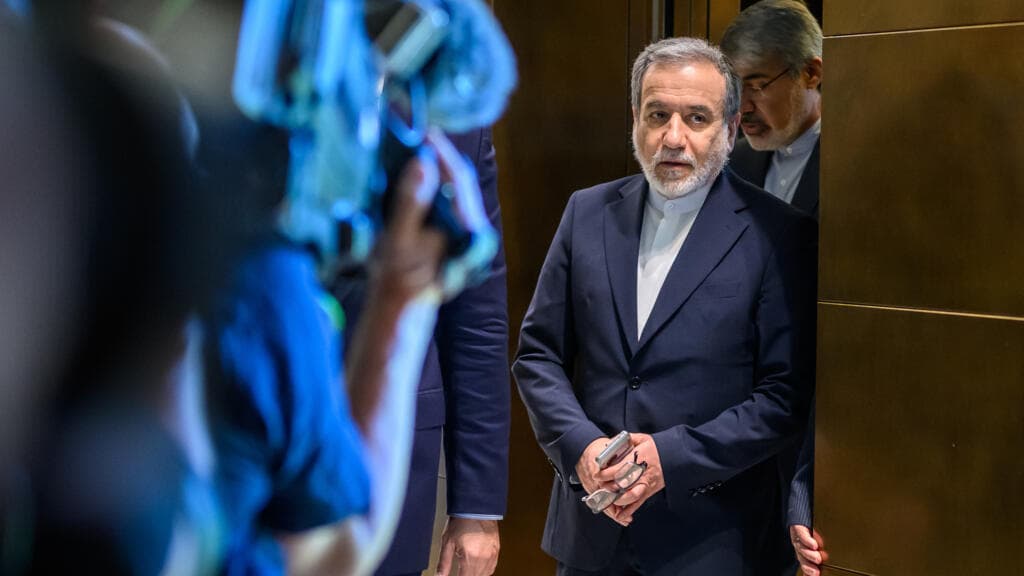
Foreign Minister Toshimitsu Motegi said the higher charges reflect inflation and exchange-rate fluctuations. Officials said they do not expect an immediate impact on inbound tourism, even though Japan’s visa fee schedule had long listed about 3,000 yen for a single-entry visa, 6,000 yen for a multiple-entry visa and 700 yen for a transit visa.
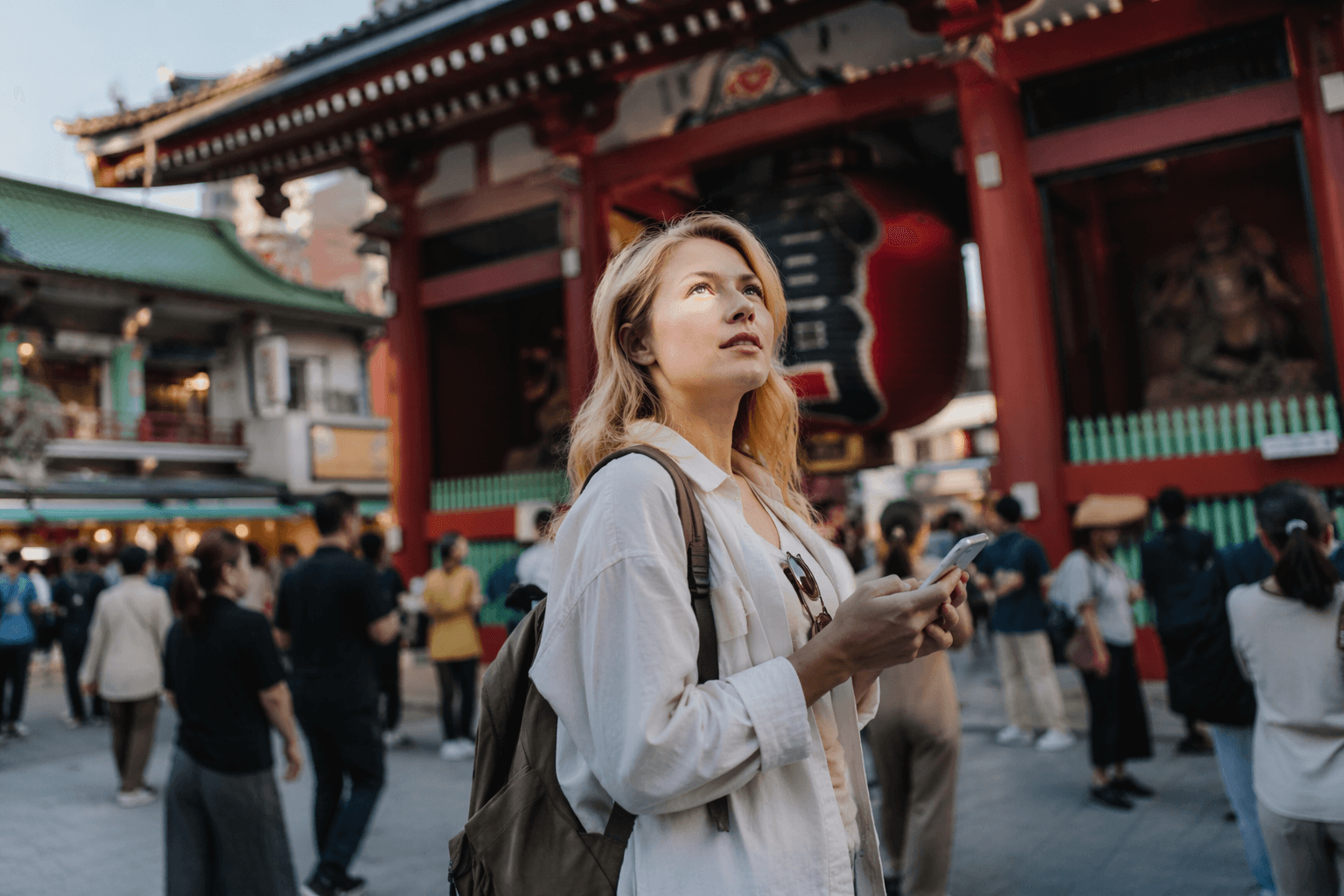
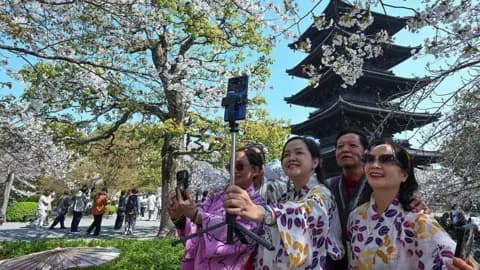
The increase arrives as Japan continues to wrestle with a weaker yen, higher prices and persistent overtourism concerns. It also comes amid broader tourism-related fee discussions, including whether to raise the airport departure tax, as policymakers look for ways to manage pressure on airports, train lines and crowded destinations without closing the door to foreign visitors.

The scale of the change stands out because Japan is coming off record tourism numbers. In 2025, the country welcomed 42.68 million international visitors, the most ever, and those travelers spent about 9.5 trillion yen, also a record. That combination of heavy demand and a fivefold visa increase suggests Japan is no longer treating entry charges as a static administrative formality.
The move may also signal a broader rethink of how Japan prices access for foreign nationals. By holding visa fees unchanged for nearly five decades and then lifting them to levels closer to those seen in other major economies, the government is sending a message that the cost of entry, like the management of tourist flows, is now part of a larger policy debate.
This article was produced by Prism’s automated news system from verified source data, official records, and press releases, then run through automated quality and moderation checks before publishing. The system is built and supervised by the people who set the standards it runs under. Read our full AI policy.
Know something we missed? Have a correction or additional information?
Submit a Tip