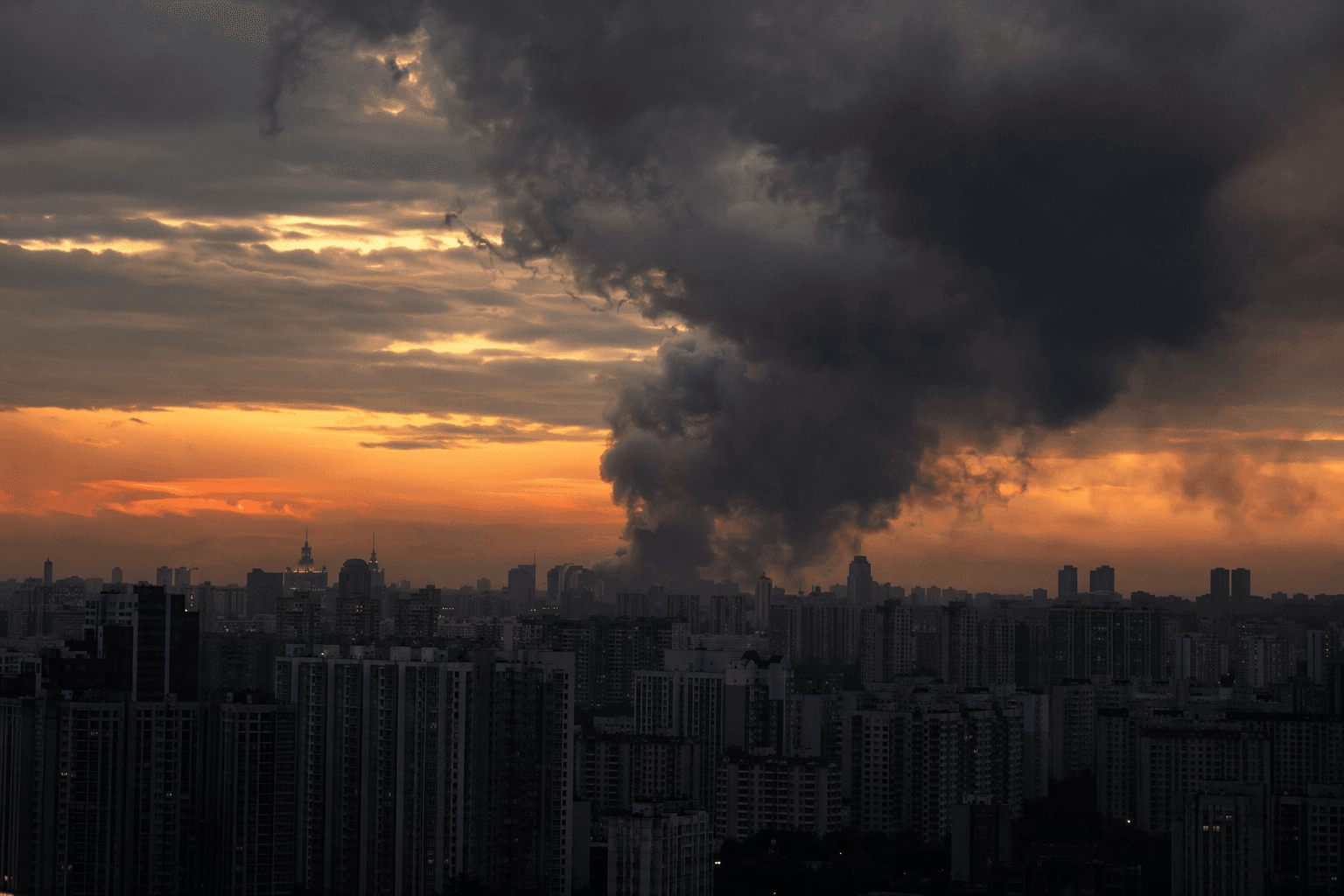
Oil prices retreat as Iran, US talks make major Lebanon progress
Oil fell after Iran said talks in Switzerland made "major progress" on Lebanon, easing fears of another spike in gasoline costs and inflation.
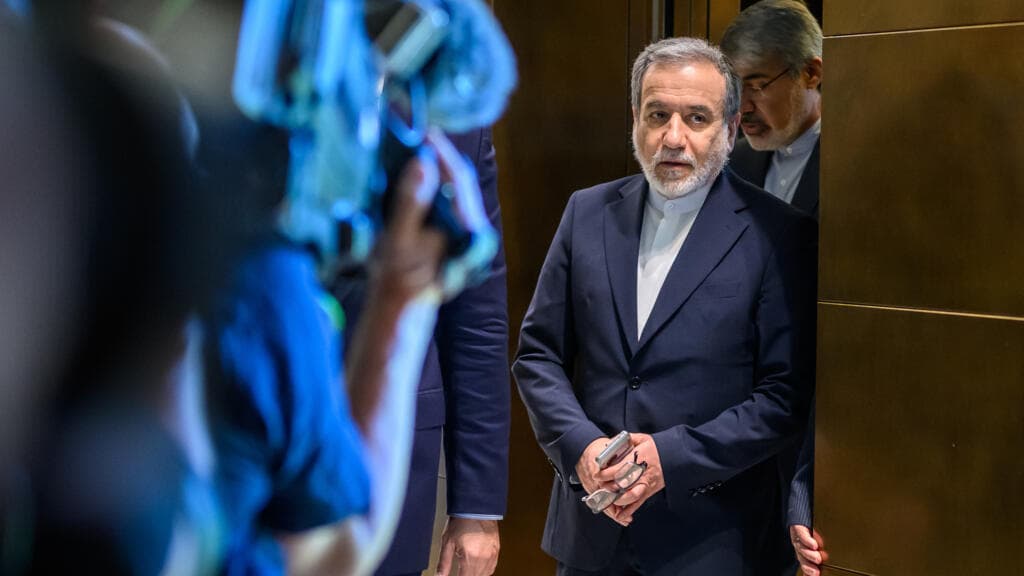
Oil prices eased after Iran’s foreign minister said the first round of U.S.-Iran talks in Switzerland had made “major progress” toward ending the fighting in Lebanon, a signal traders quickly read as less immediate pressure on gasoline prices, shipping costs and broader inflation sentiment. The negotiations, mediated by Pakistan and Qatar, moved markets because they touched the region at the center of global oil flows.
The talks, held June 22, 2026, brought U.S. and Iranian negotiators together with Pakistani and Qatari mediation, and reports said the sides agreed to keep working toward a final deal within 60 days. Abbas Araghchi said the mediation had delivered “major progress,” while reports also said the agenda included ending military operations in Lebanon, creating a de-confliction mechanism and establishing a communication line linked to the Strait of Hormuz.
That detail mattered to oil traders because the Strait of Hormuz is one of the world’s most sensitive chokepoints for crude shipments. Markets had already been whipsawed since the start of the Iran war, with Brent crude jumping from around $72 a barrel on February 27 to nearly $120 at its peak before the latest pullback. Even modest progress in the talks was enough to cool some of the risk premium built into prices, especially after weeks of volatility tied to the fighting.
The reported understanding also carried economic implications beyond the oil pit. Accounts said the U.S. agreed to waive sanctions on Iranian oil and release some frozen assets as part of the broader framework, a potential sign that both sides were testing a path toward de-escalation rather than escalation. But the optimism remained fragile: the first round ended after overnight sessions, technical talks were expected to continue, and the U.S. had not yet publicly commented on Araghchi’s statement.
For households already strained by higher fuel bills, the market’s reaction underscored how quickly geopolitics can ripple into daily expenses. A softer crude market can ease pressure at the pump and calm inflation expectations, but the price retreat rests on diplomacy that still has to survive the next round of talks, the next deadline and the next crisis in a region where one setback can send oil higher again.
This article was produced by Prism’s automated news system from verified source data, official records, and press releases, then run through automated quality and moderation checks before publishing. The system is built and supervised by the people who set the standards it runs under. Read our full AI policy.
Know something we missed? Have a correction or additional information?
Submit a Tip