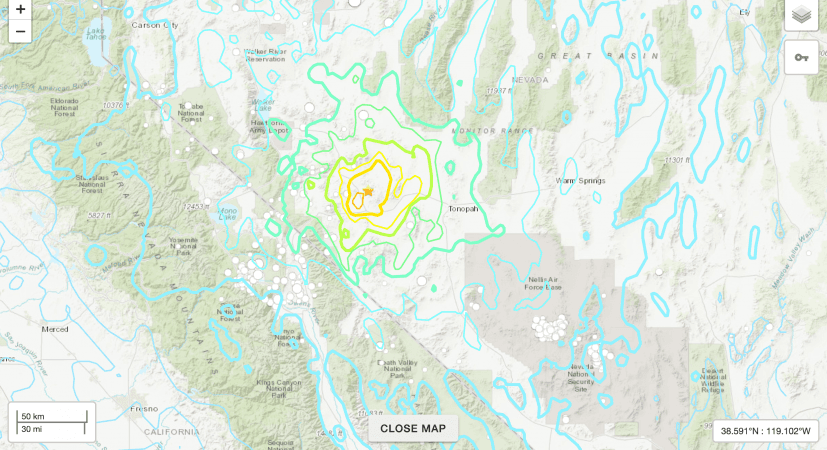
Above‑Average Wildflower Bloom in Death Valley Draws Crowds, Officials Warn
Abby Wines, Death Valley’s acting deputy superintendent, said “we’re heading in that direction” as desert gold and sand verbena bloom along Badwater Road and near Furnace Creek.
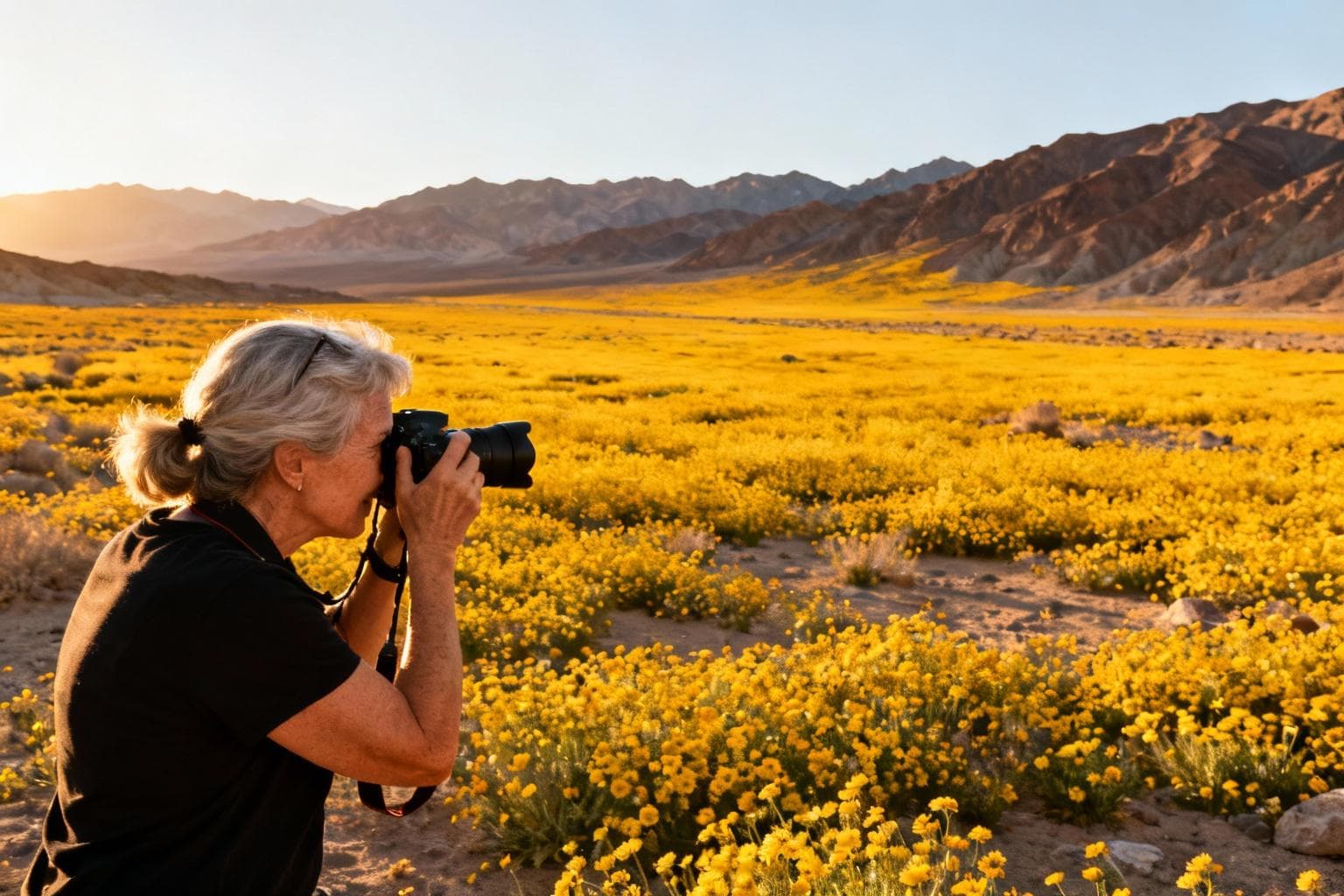
Abby Wines, Death Valley National Park’s acting deputy superintendent, warned the park is moving toward a rare superbloom as visitors converge on Badwater Road and Furnace Creek; Wines said, “It looks like it will be a superbloom – maybe not fully developed yet – but we’re heading in that direction.” Park staff posted a social media update on Feb. 22 reporting low-elevation flowers already in bloom and advising visitors on where to look.
The National Park Service cautioned that the display is “above-average” but not yet at previous superbloom levels: “Although there aren’t as many flowers as in past ‘superbloom’ years, there are far more flowers than we have most years.” Current species on view include Desert Gold, Brown-eyed Primrose, Sand Verbena, and phacelia, with desert sunflowers noted regionally. Best viewing areas named by park biologists and rangers include the park entrance, a few miles down Badwater Road, the stretch between Mud Canyon and Hells Gate, and Highway 190 between Stovepipe Wells and Furnace Creek.
Park and regional reporting trace the bloom to unusually wet conditions. Park officials reported nearly three inches of rain last fall followed by consistent winter moisture, and social updates said the wider region has received more rain since October 2025 than it typically sees in a full year. Anza-Borrego Desert State Park received about 3.5 inches in the last three months and has produced major displays as a nearby example. Regional accounts also note November 2025 storms revived an ancient lake that once reached depths of 7,000 feet, an event researchers say helped create “perfect conditions” - well-spaced rainfall and mild temperatures - necessary for mass germination of annual wildflowers.
Timing and elevation remain critical for visitors planning trips. NPS staff expect lower-elevation blooms to persist through March while higher-elevation showings could develop from April into June. Social posts circulating this week suggested peak viewing could fall between late February and early April, but park biologists emphasize that peak dates vary by microclimate and elevation.
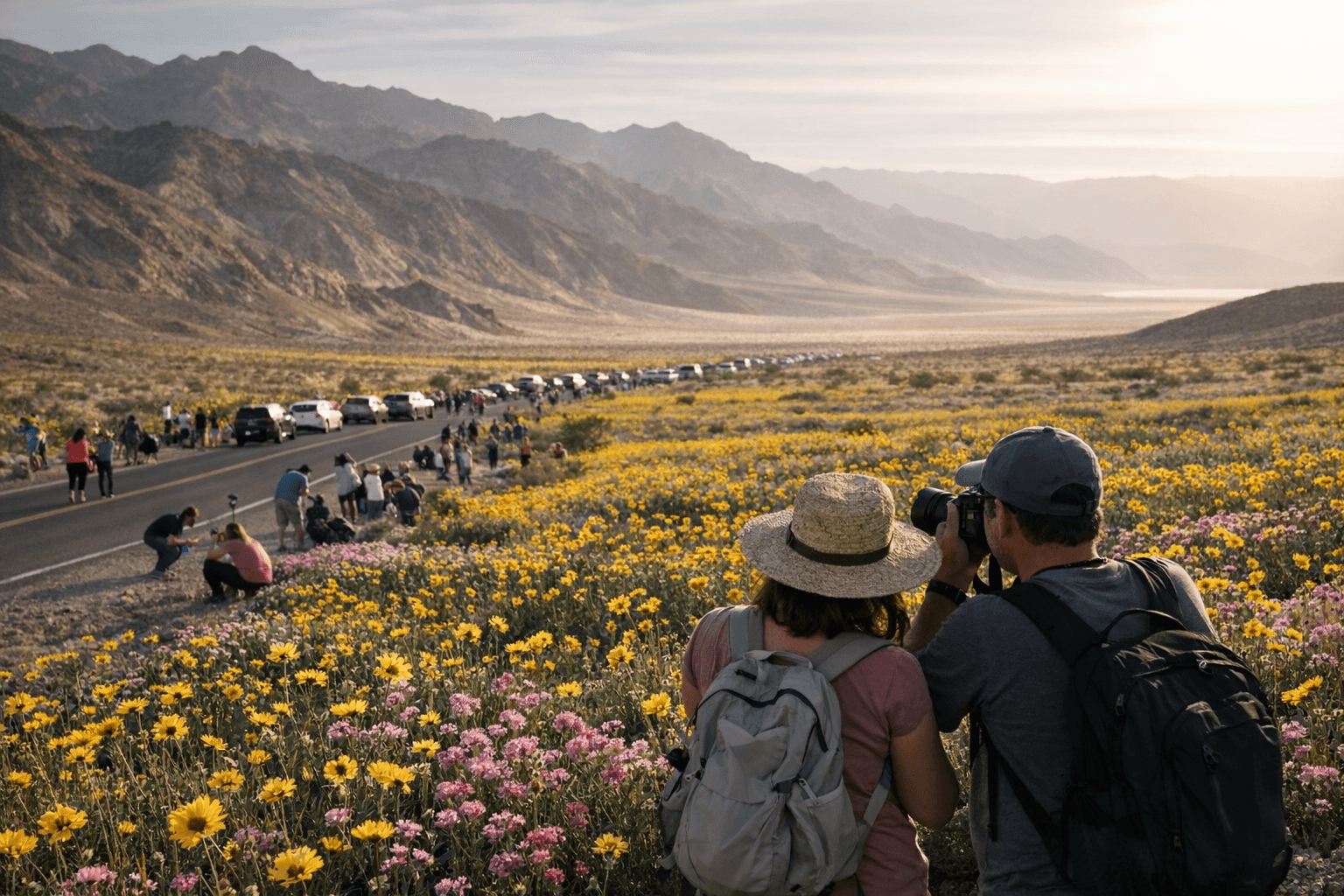
Crowds and social-media attention have already increased weekend traffic from Pahrump and surrounding communities, with viral clips and photos circulating, including a TikTok clip by user @avecnicole referenced in park posts. NPS and rangers are urging visitors to stay on established trails, not pick or collect flowers, carry adequate water, and park legally to avoid damaging roadside vegetation. Federal regulations prohibit collecting wildflowers and violators face fines, the park reminded the public.
For photographers and travelers, park guidance includes using zoom lenses to avoid trampling blooms, downloading offline maps due to sparse cell coverage on many roads, and booking lodging and car rentals early as local options fill. The park notes ecological upside: “By blooming en masse during good years, wildflowers can attract large numbers of pollinators such as butterflies, moths, bees, and hummingbirds that might not otherwise visit Death Valley.” The last Death Valley superbloom occurred in 2016; park staff will continue posting bloom updates and safety reminders as the season develops.
Sources:
Know something we missed? Have a correction or additional information?
Submit a Tip