Abrego Garcia cites Costa Rica as lawful deportation destination in case fight
Abrego Garcia’s lawyers say Costa Rica was always a lawful option, undercutting the government’s push to send him elsewhere. The shift raises new questions about deportation strategy and due process.
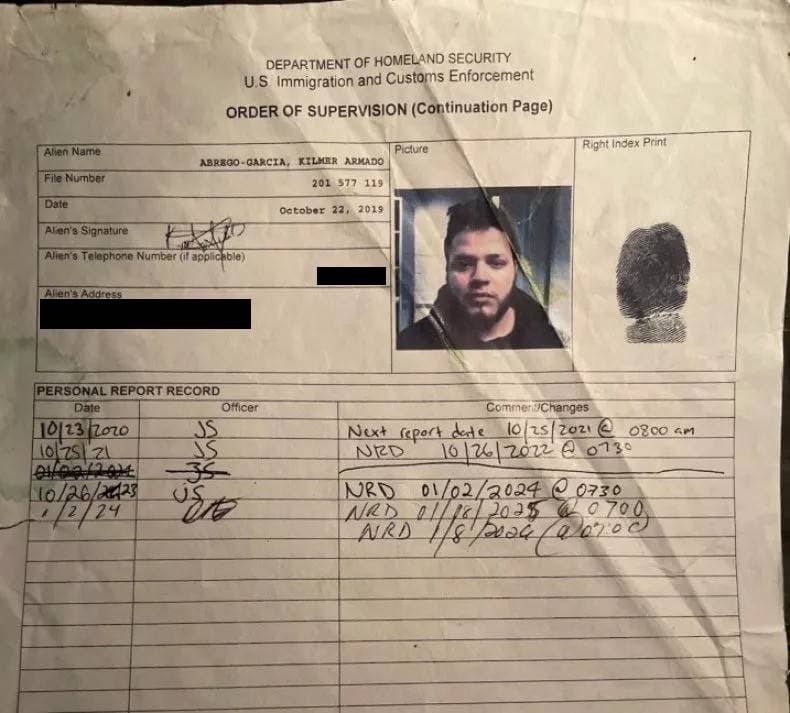
Kilmar Armando Abrego Garcia is pressing Costa Rica as a lawful deportation destination, a position that could complicate the government’s changing rationale for where he can be sent. His lawyers have told the judge handling his case that Costa Rica remains available, even as federal immigration officials have floated other countries and repeatedly failed to present a clear removal plan.
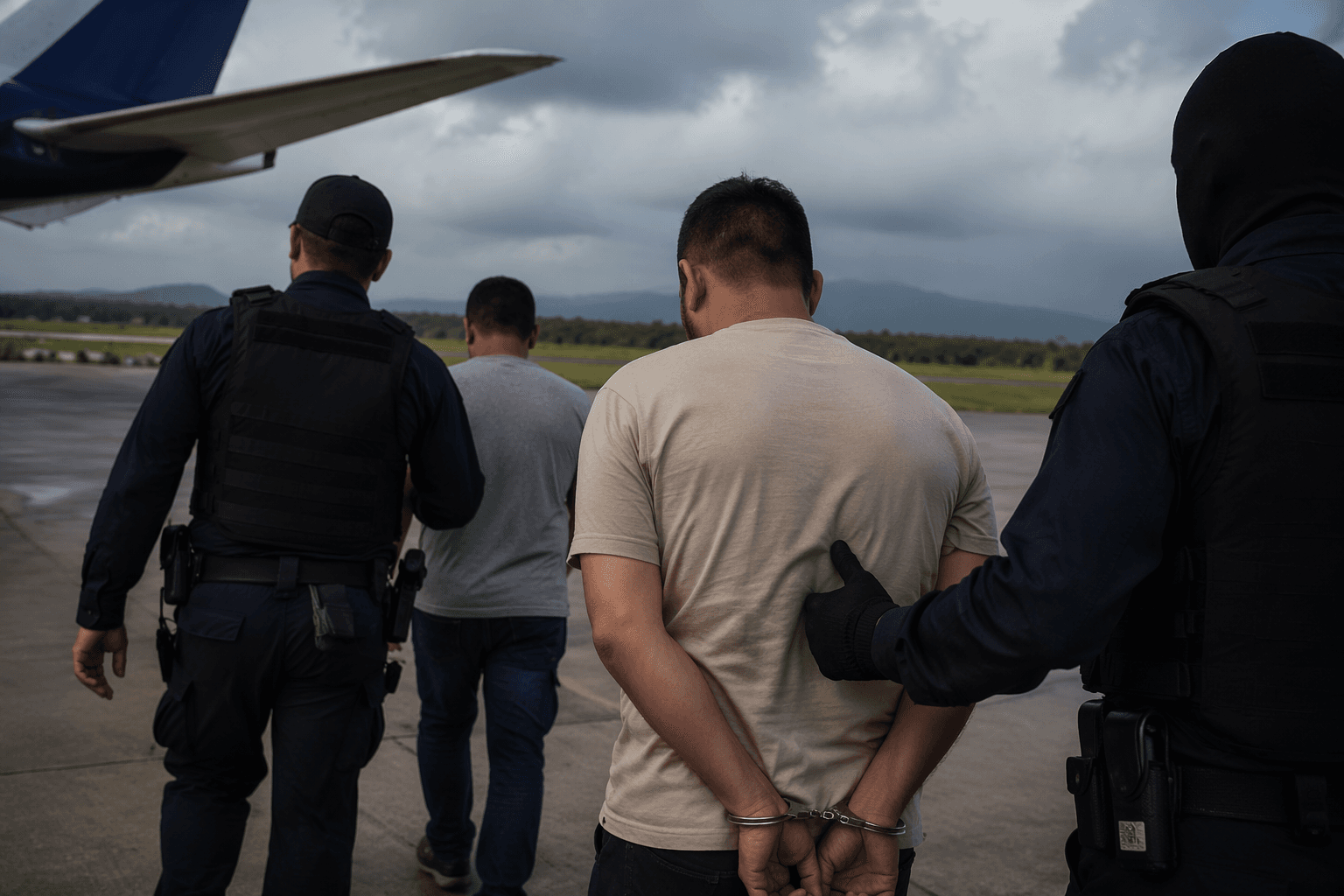
The dispute comes after a sequence of stark turns in Abrego Garcia’s case. He was wrongly deported to El Salvador in March 2025 despite a prior court order barring his removal there. The U.S. government brought him back to the United States in June 2025, then charged him on June 6, 2025, with alien smuggling and conspiracy to commit alien smuggling. He has since remained under home confinement with his family in Maryland while the legal fight continued.
Costa Rica has long been at the center of Abrego Garcia’s defense. Costa Rican officials said the country would accept him as a refugee or grant residency and would not send him back to El Salvador. In November 2025, Costa Rican security minister Mario Zamora said the offer to receive Abrego Garcia for humanitarian reasons remained in place. His attorneys have argued that because Costa Rica is no longer a country from which he fears persecution, it is a lawful and available destination if the government wants to remove him.
That argument has taken on added force as U.S. officials have moved away from Costa Rica and toward other destinations, including Uganda, Eswatini and Liberia. On October 6, 2025, U.S. District Judge Paula Xinis ordered the government to explain its removal plans after the Justice Department failed to provide them. The unanswered question has become central to the case: whether the government can keep changing destinations midstream while still meeting basic due process obligations.
Abrego Garcia’s lawyers also say prosecutors offered a Costa Rica deal in August 2025 in exchange for a guilty plea and sentence, and attached a letter indicating Costa Rican willingness to accept him. That account now sits uneasily beside the government’s later argument that Costa Rica was not an option. The tension goes to the heart of the case now before Judge Xinis and, more broadly, to how much latitude the administration claims in deciding deportation destinations.
The stakes rose again on May 22, 2026, when U.S. District Judge Waverly Crenshaw dismissed the federal smuggling indictment, finding the prosecution vindictive. With the criminal case gone, the removal fight has become even more consequential, and Costa Rica has emerged as a test of whether the government’s deportation strategy is guided by law, diplomacy and consistency, or by shifting convenience.
This article was produced by Prism’s automated news system from verified source data, official records, and press releases, then run through automated quality and moderation checks before publishing. The system is built and supervised by the people who set the standards it runs under. Read our full AI policy.
Know something we missed? Have a correction or additional information?
Submit a Tip