Physician associate groups sue over student loan cap rule
Physician associate groups sued to block a loan cap they say could choke off training and worsen healthcare shortages before July 1.

A new federal student loan cap could narrow the pipeline for physician associates and other healthcare workers just as hospitals and training programs are already struggling to fill gaps, especially in underserved communities. Two physician associate groups sued to stop the rule before it takes effect for PA students on July 1.
The American Academy of Physician Associates and the Physician Associates Education Association filed suit against the Trump administration over the Education Department’s new lending limits and asked for an emergency injunction. The challenge targets a rule issued April 30 as part of the Reimagining and Improving Student Education-Federal Student Loan Program, or RISE, which implements borrowing limits created in the One Big Beautiful Bill Act passed by Congress in 2025.

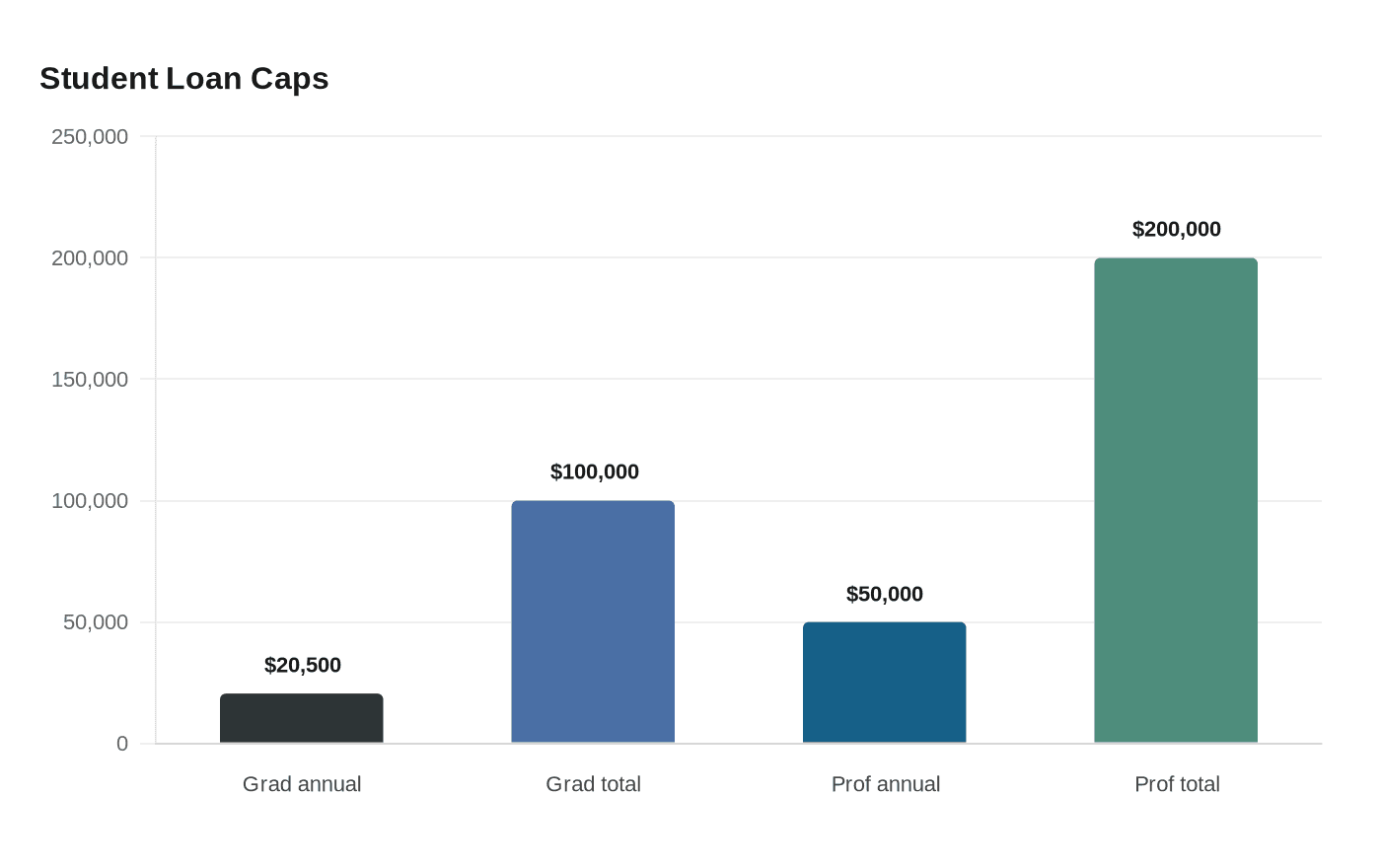
Under the rule, graduate students can borrow up to $20,500 a year and $100,000 total. Students in programs the department labels “professional” can borrow up to $50,000 a year and $200,000 total. But the department’s final definition recognizes only 11 professional degree programs, and physician assistant studies were left out. The list includes pharmacy, dentistry, veterinary medicine, chiropractic, law, medicine, optometry, osteopathic medicine, podiatry, theology and clinical psychology.
Lisa Gables, the chief executive of AAPA, said the rule is devastating for the PA workforce. The association argues that PA programs fit Congress’s definition because they award entry-level master’s degrees, require rigorous clinical training and lead to licensure in all 50 states. AAPA also says the median PA program tuition is nearly $97,000 for residents before fees and other costs, a price that could push more students toward private loans with stricter approval standards, higher interest rates and fewer repayment options.
The lawsuit adds to a fast-growing legal backlash. A coalition of 24 states and the District of Columbia sued in Maryland on May 19, later described as 25 states plus D.C., arguing the same rule will deepen healthcare workforce shortages and restrict training in nursing and other clinical fields. California Attorney General Rob Bonta said the policy would threaten healthcare system operations and reduce access to care. New York Attorney General Letitia James said it would leave communities with fewer healthcare providers.
Nursing groups filed separately on May 30 in Massachusetts federal court. A coalition of 10 national nursing associations challenged the exclusion of advanced nursing degrees from the professional-degree category, underscoring how broad the fight has become over who counts as a professional student and who does not.
Education Department officials have defended the caps as a way to control college costs and prevent unmanageable debt. Under Secretary Nicholas Kent said the administration believes the limits will protect students and taxpayers and push schools to lower prices. The lawsuits now put that cost-control argument squarely against the workforce realities of graduate programs that train the clinicians many communities already cannot afford to lose.
This article was produced by Prism’s automated news system from verified source data, official records, and press releases, then run through automated quality and moderation checks before publishing. The system is built and supervised by the people who set the standards it runs under. Read our full AI policy.
Know something we missed? Have a correction or additional information?
Submit a Tip