ABYC Online Certifications Offer DIY Sailors Industry-Standard Marine Electrical Training
ABYC offers on-demand and live-online marine electrical certifications and short practical courses, giving DIY sailors industry-standard training for safe conversions and system work.
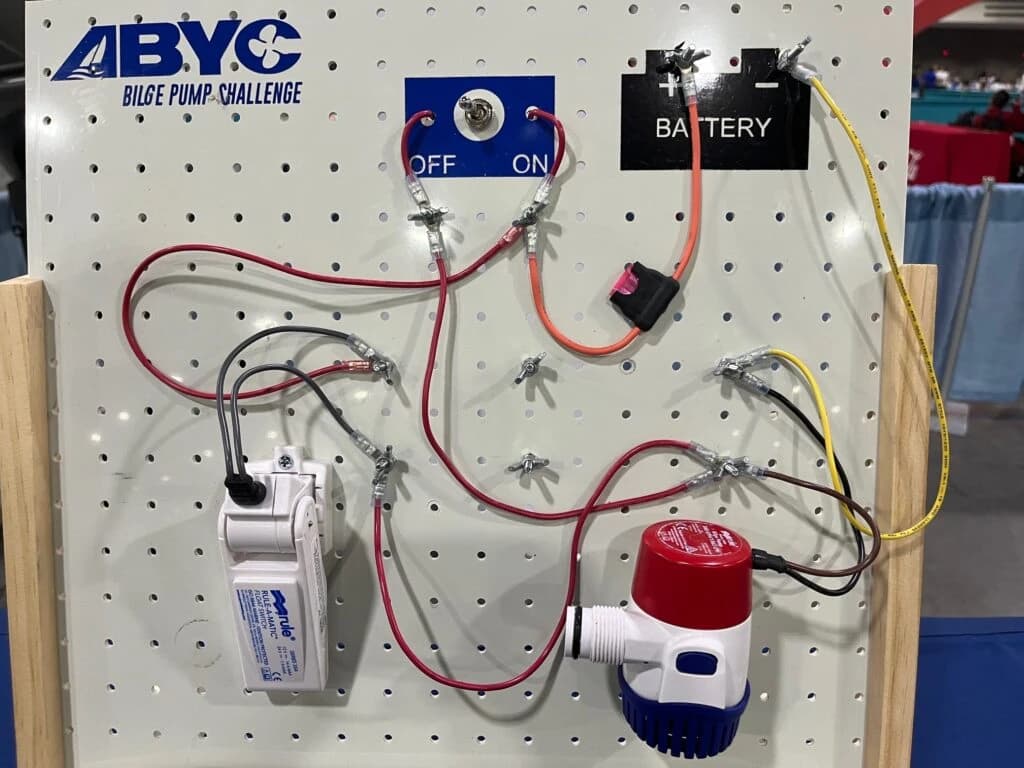
ABYC now provides a robust suite of online and short practical courses that bring industry-standard marine electrical training within reach of DIY sailors and boatyard crews. The program includes on-demand and live-online Marine Electrical and Advanced Marine Electrical certifications, plus courses such as Marine Engines & Fuel Systems and Marine Corrosion, and Boatyard Basics, an introductory class for general-labor boatyard employees.
The courses teach ABYC standards, installation best practices for electrical systems, fuel systems, and corrosion prevention, and safety-critical procedures and troubleshooting. That combination makes the offerings useful both for independent learning and for homeowners who need a firm baseline to evaluate professional work. For sailors planning electrical conversions, lithium battery installs, or wider system upgrades, the curriculum functions as an industry-standard reference and a practical training path.
Format options let students pick self-paced study or instructor-led sessions. On-demand modules suit boat owners who want to learn evenings in the off-season or study specific topics like battery management systems and wiring layout. Live-online classes add interaction and Q&A for technicians and serious DIYers who want real-time feedback on wiring diagrams, AC and DC separation, shore power connections, and bonding and grounding practice.
Practical courses target the people who turn the wrenches at local yards. Boatyard Basics covers the kinds of routine tasks and safety procedures that reduce incidents on the shop floor, while Marine Corrosion focuses on protecting electrical and metal systems in salt water environments. Marine Engines & Fuel Systems covers fuel-system installation and safety practices needed when routing tanks, lines, and vents during repowers or refits.
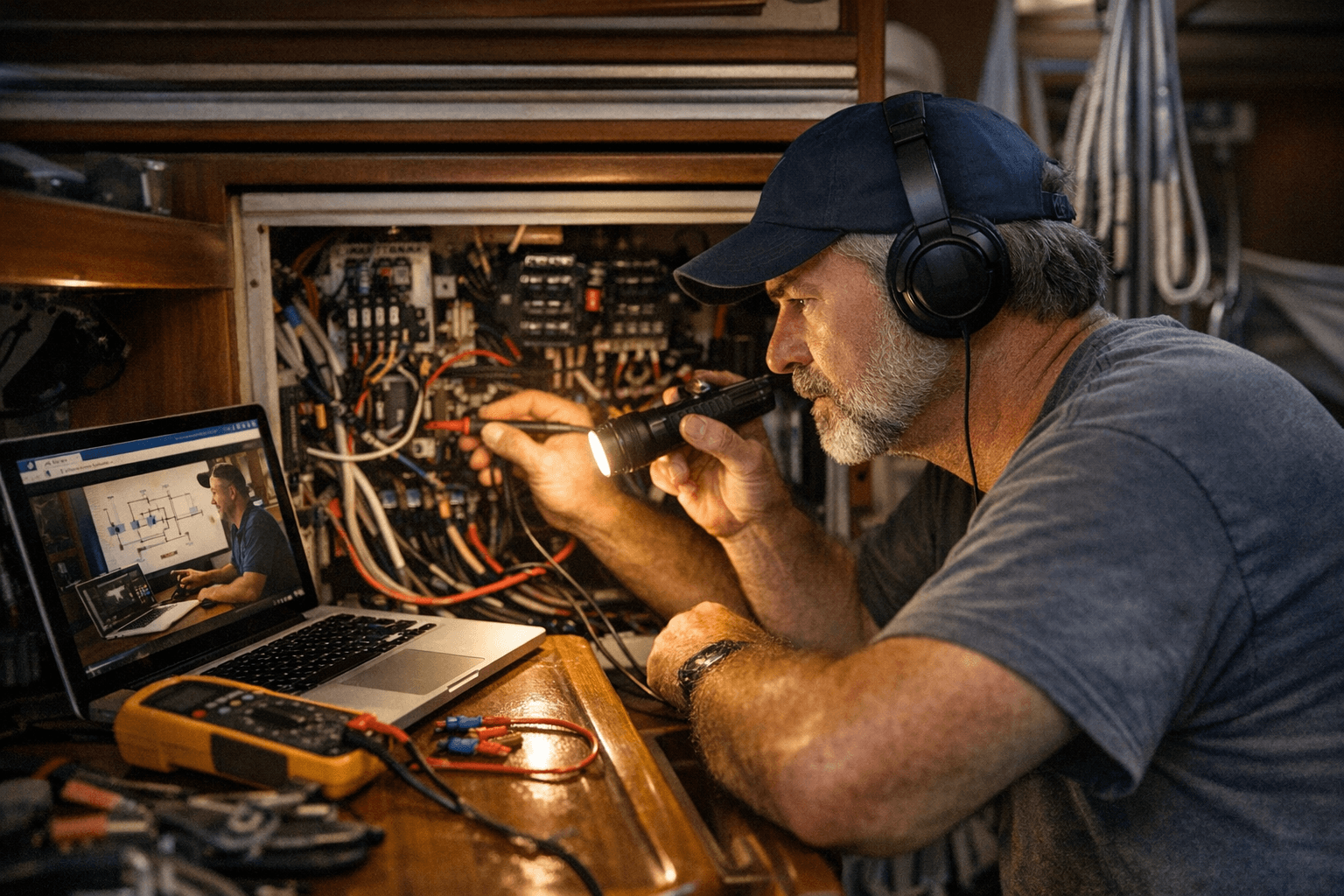
For community members this training closes a gap between reading standards and applying them at the workbench. You’ll gain vocabulary to talk to pros about bus bars, fusing, inverter sizing, and charge-distribution, and you’ll learn to identify red flags during inspections before a project leaves the slip. That knowledge helps avoid costly mistakes such as undersized wiring, improper battery installation, or inadequate bonding that lead to failures or fire risk.
ABYC’s courses fit different goals: shore up safety on your own project, build competence before tackling a conversion, or use certification as a credential when hiring or consulting. Expect clearer wiring diagrams, safer battery banks, and better troubleshooting skills in your tool bag. Longer term, wider adoption of ABYC training in yards and by DIY sailors should raise the baseline for marine electrical work across the community, keeping systems reliable and boats afloat.
Know something we missed? Have a correction or additional information?
Submit a Tip

