Academy bars AI-generated performers from Oscars acting category
The Academy drew a hard line against synthetic stars, saying Oscar-eligible acting roles must be performed by humans with consent. The move lands after the Tilly Norwood backlash and a year of rising labor anxiety.

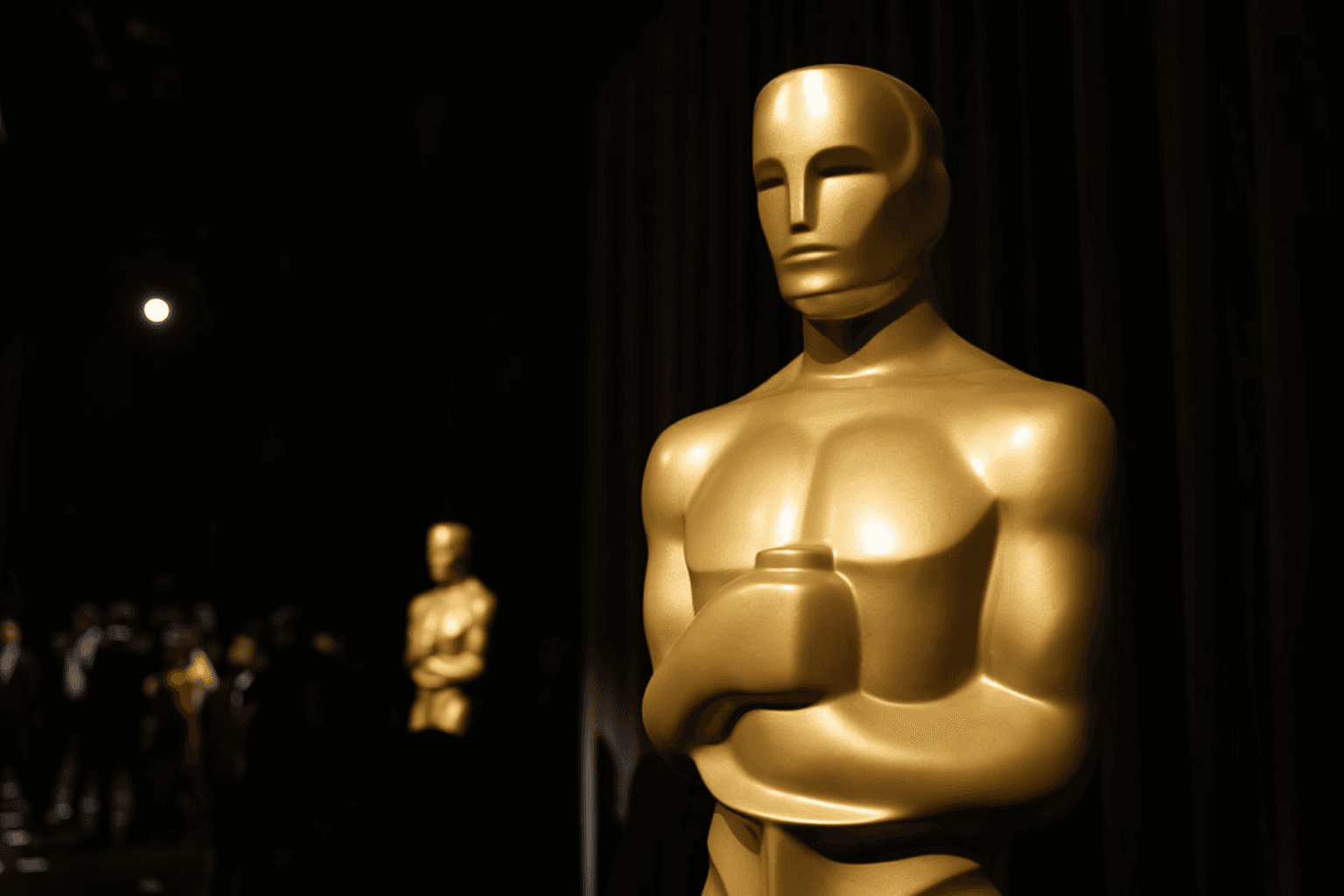
The Academy of Motion Picture Arts and Sciences has moved to lock AI-generated performers out of its acting race, saying Oscar-eligible roles must be “demonstrably performed by humans with their consent.” The rule change, approved Friday, May 1, 2026, arrives after a bruising year in Hollywood over synthetic talent, and it puts the industry on notice that a computer-made face will not be treated like a performer at the Oscars.
The new language for the 99th Oscars also gives the Academy more leverage to question how films were made. It said it may ask filmmakers for more information about any generative AI use and about the degree of human authorship in a film. Screenwriting and other eligible creative work still hinge on human authorship, keeping the awards body firmly on the side of human-led creation even as studios experiment with artificial intelligence in production and postproduction.
The timing matters. The Academy already told filmmakers in its 2025 rule update that generative AI and other digital tools would neither help nor hurt a film’s chances, while the Academy weighed how central humans were to the creative authorship. The latest rule does more than observe that change. It draws a line around who counts as an actor, and it does so in a year when performers, writers and studios are still sorting out where assistance ends and replacement begins.
That anxiety sharpened in 2025 after Tilly Norwood, an AI-generated “actress” from Particle6 and Xicoia, was unveiled by Eline Van der Velden at the Zurich Film Festival. SAG-AFTRA responded that the character was built from the work of professional performers without permission or compensation, and warned that synthetic performers should not replace human actors. The union also reminded signatory producers that using them can trigger notice and bargaining obligations, a labor issue that reaches beyond awards season and into wages, consent and control over likenesses.

The Academy’s broader rule package, approved alongside the AI changes, also lets actors be nominated for multiple performances in the same category if both land among the top five vote-getters. The Casting category will now award up to three statuettes instead of two. International Feature Film eligibility widened as well, adding certain non-English-language films that win major festival prizes, including the Golden Bear, Palme d’Or, Golden Lion, Platform Award, Sundance World Cinema Grand Jury Prize and Busan Award. The 99th Oscars will honor films released in 2026, with eligibility running from January 1 through December 31, 2026, after the 98th Oscars were held on March 15, 2026 at the Dolby Theatre in Ovation Hollywood.
This article was produced by Prism’s automated news system from verified source data, official records, and press releases, then run through automated quality and moderation checks before publishing. The system is built and supervised by the people who set the standards it runs under. Read our full AI policy.
Did this article answer your question?