Activision Blizzard shareholders reach $250 million settlement over Microsoft deal
Activision investors won $250 million, but the deal still leaves open whether they were underpaid or simply outmaneuvered in a merger pushed through for certainty.

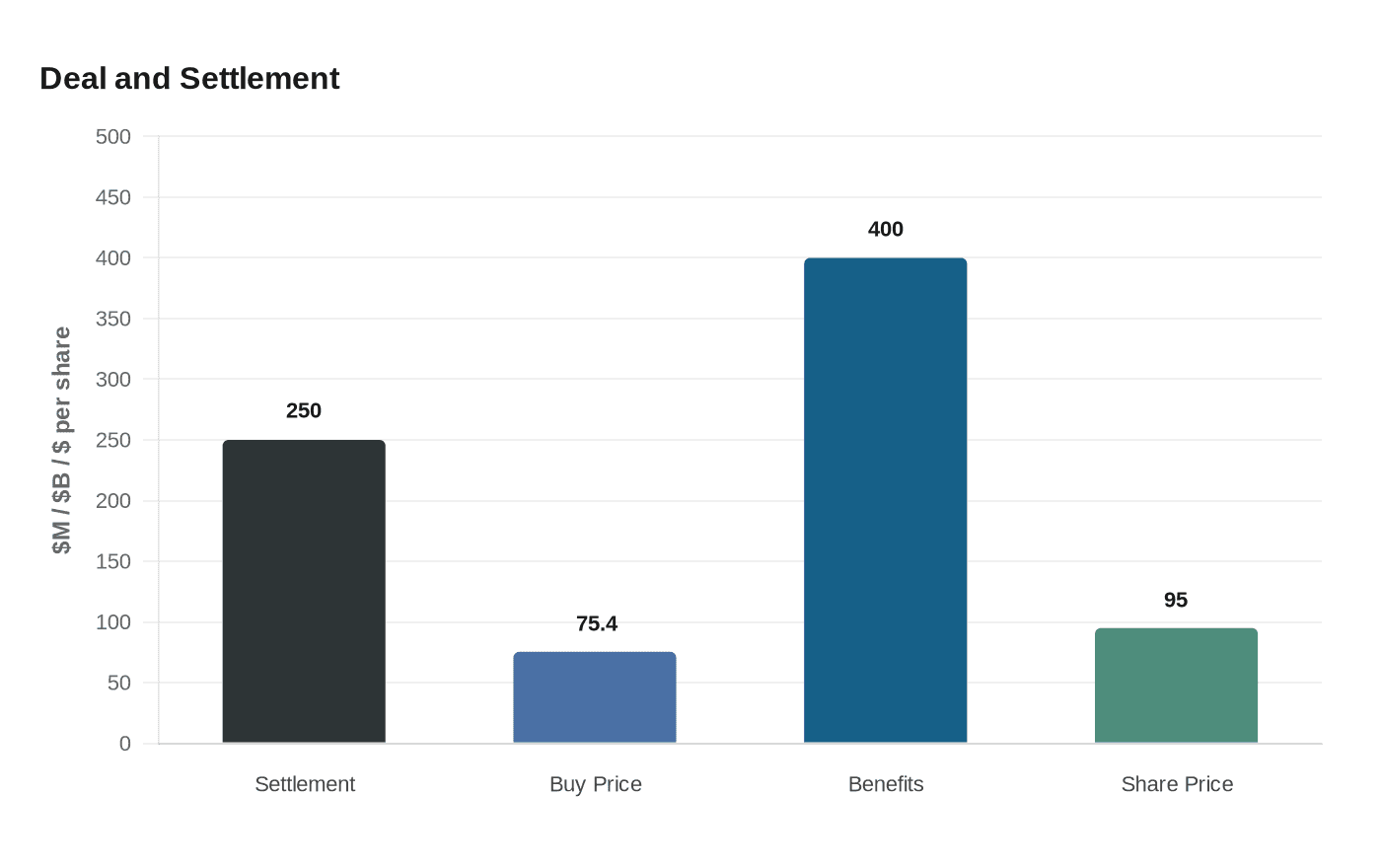
Activision Blizzard shareholders secured a $250 million settlement, but the deal did less to answer the central question than to put a price on it: whether ordinary investors were shortchanged when Microsoft and Activision executives locked in a blockbuster merger behind closed doors. The payout, which works out to roughly 30 cents a share, ends a lawsuit that shadowed one of the biggest transactions in gaming and tech, yet it does not prove that the $95-per-share price was too low or that shareholders had meaningful leverage once the deal was signed.
The investor group, led by Sweden’s Sjunde AP-Fonden, had accused former chief executive Bobby Kotick and other executives of breaching fiduciary duties by agreeing to terms that, in their view, undervalued a company Microsoft bought for $75.4 billion. The plaintiffs also said Kotick rushed the merger to protect his own job and secure about $400 million in change-of-control benefits. In a market where deal certainty often matters as much as price, that allegation cut to a familiar tension in mega-mergers: executives can lock in a transaction quickly while shareholders are left to argue later that the premium was not enough.

The settlement was disclosed in a filing in Delaware state court and still needed approval from Chief Judge Kathaleen McCormick of the Delaware Court of Chancery. Microsoft will cover 40% of the settlement, while the remainder will come from directors and officers’ liability insurance, a reminder that post-deal litigation often turns into a fight over who ultimately pays: the buyer, the board, or insurers that underwrite corporate risk.
Microsoft and Kotick had filed counterclaims, but both sides said they were settling to avoid further distraction. The pension fund said the payment was fair. That stance matters because the case is about more than one acquisition price. It shows how shareholder suits can stretch long after a deal closes, especially when the transaction includes claims about executive compensation, board conduct, and whether a target’s leaders moved too fast to preserve their own positions.
The Microsoft-Activision deal was one of the largest in video game history and gave Microsoft more heft in its competition with Sony and other rivals. For investors, the settlement is a blunt reminder that the final cost of a blockbuster acquisition can keep rising long after the merger agreement is signed, even when the business rationale for the deal has already been settled in the market.
This article was produced by Prism’s automated news system from verified source data, official records, and press releases, then run through automated quality and moderation checks before publishing. The system is built and supervised by the people who set the standards it runs under. Read our full AI policy.
Did this article answer your question?