Adafruit highlights Shawn Hymel’s Introduction to Embedded Rust series, ecosystem readiness
Adafruit’s March 3, 2026 writeup calls Embedded Rust “a good candidate for some embedded projects today, but it's probably not ready to replace C any time soon.”
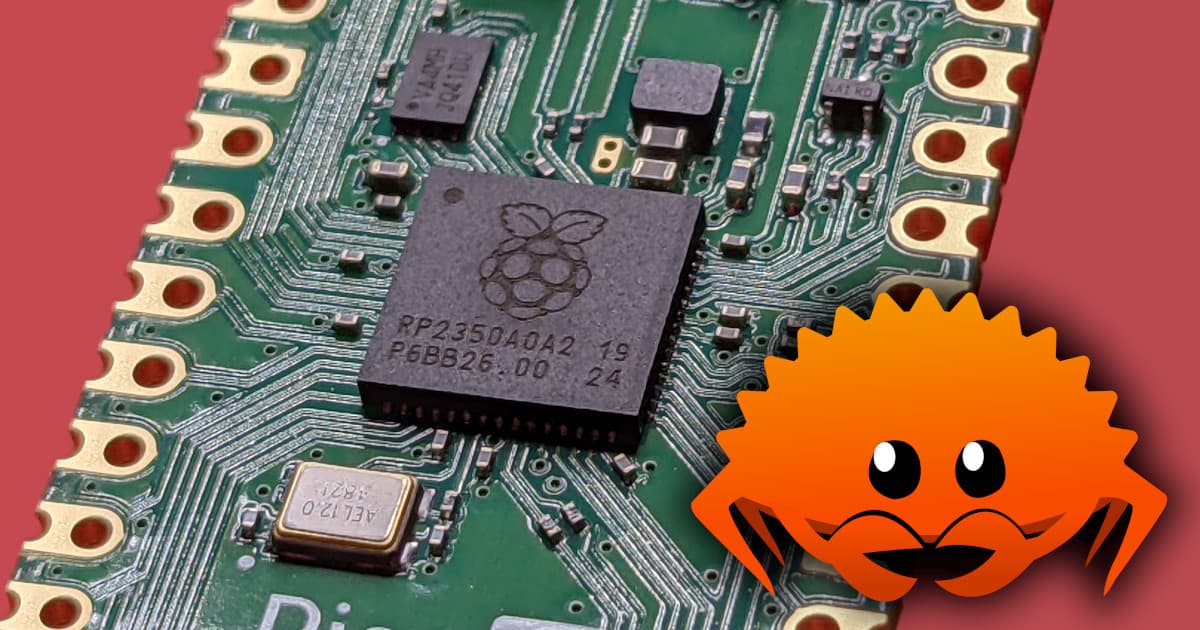
Adafruit’s March 3, 2026 writeup framed the central question bluntly: "Embedded Rust is a good candidate for some embedded projects today, but it's probably not ready to replace C any time soon. See the full" — a cautious verdict that sets expectations for anyone watching Shawn Hymel’s Introduction to Embedded Rust series and workshops. The piece landed as Hymel, a known educator in embedded systems and microcontroller communities, pushed practical, bare-metal demos to teach Rust on microcontrollers.
Hymel’s own LinkedIn post makes the pedagogy explicit: "Time for another embedded #Rust episode! I finally dive in and make the "hello, world" of microcontrollers: blinky. Note that most of the series relies on bare metal to demonstrate Rust concepts on MCUs. 👇 #embedded #microcontroller #RaspberryPiPico #RP2350 Raspberry Pi" That post, in a profile snapshot listing "19,505 followers," points learners to hands-on basics rather than lofty claims of immediate, full-stack replacement of C across all embedded use cases.
The series ties directly to common hobbyist hardware. Hymel’s post references "Intro to Embedded Rust - Part 2: Blink and LED | DigiKey," and his hashtags explicitly name Raspberry Pi Pico and RP2350 as targets. That combination — step-by-step bare-metal instruction plus mainstream boards such as the Pico — maps to Adafruit’s assessment: useful, realistic wins on accessible hardware while systemic barriers still limit wholesale migration from C.
Access to parts of the conversation is gated by platform controls. LinkedIn UI fragments captured with the posts remind readers that additional comments and context may require logging in: "To view or add a comment, sign in" and "By clicking Continue to join or sign in, you agree to LinkedIn’s User Agreement, Privacy Policy, and Cookie Policy." Those prompts also explain why some captures of Hymel’s series and the Adafruit snippet end mid-sentence or with trailing ellipses.

The supplied material contains several explicit truncations that matter for anyone trying to reproduce the coverage: the Adafruit fragment terminates with "See the full," the original report copy cuts off after "whether," and one of Hymel’s "More from this author" items shows "The Power of Small Wins [...]". Missing items include Hymel’s post timestamp, DigiKey’s article date, and any expanded analysis or quotes from Adafruit’s author.
The concrete takeaway is pragmatic: Adafruit’s dated assessment combined with Hymel’s bare-metal "blinky" lessons points to incremental adoption. Expect Embedded Rust to score targeted wins on boards like the Raspberry Pi Pico for learning, prototyping, and specific projects, while the ecosystem and tooling still need broader maturation before displacing C in large, legacy, or resource-constrained codebases.
Know something we missed? Have a correction or additional information?
Submit a Tip