Adapted group-based MBSR may reduce stress in autistic adults, trial finds
Adapted group-based MBSR reduced perceived stress in autistic adults in a randomized trial, suggesting tailored mindfulness can strengthen everyday coping.
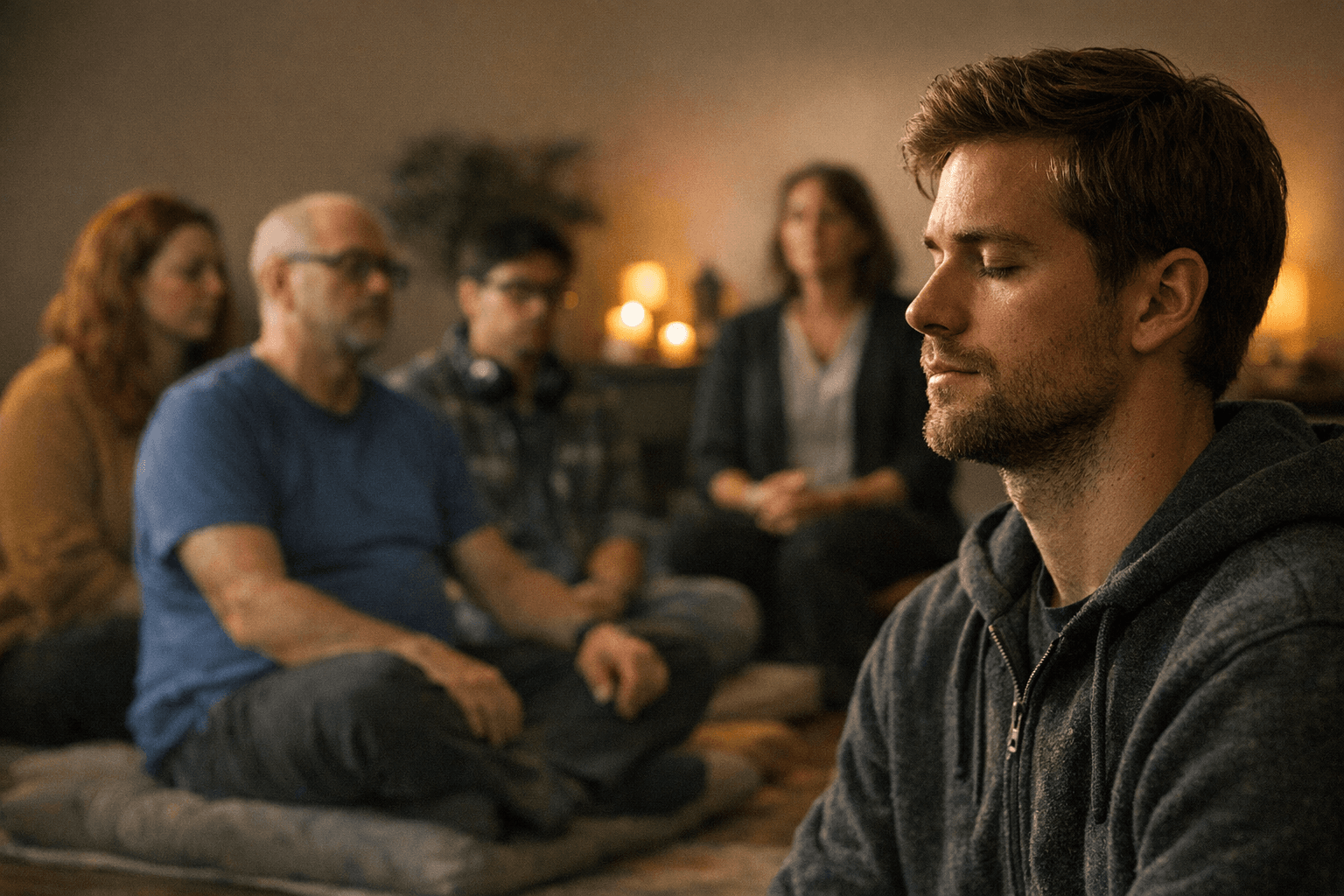
An adapted, group-based Mindfulness-Based Stress Reduction (MBSR) programme reduced perceived stress and improved emotional coping in autistic adults, a randomized controlled trial found. The results point to a practical, non-pharmacological option that may help autistic adults manage the constant sensory and social demands many face.
The trial enrolled 77 autistic adults in outpatient care and randomly assigned them to an eight-week adapted MBSR programme or to continue regular care. Groups were composed solely of autistic participants and were led by two trained teachers, a setup intended to keep sessions predictable and allow participants to step out for support without disrupting the group. Core practices included breathing exercises, body scans, mindfulness and yoga-based exercises, and guided reflections on reactions to stressful situations. Adaptations explicitly focused on clear leader communication, sensory-friendly activities, simplified language and reduced exposure to disturbing sensory stimuli while remaining faithful to the standard MBSR manual.
Lead researcher Tatja Hirvikoski said, "Many autistic adults feel uncertain about whether they will be able to cope with everyday stressors, especially when things do not go as planned, change suddenly or become overwhelming. We wanted to investigate whether mindfulness-based stress reduction could be an effective and safe way to reduce stress." Study authors report that participants in the MBSR arm experienced greater reductions in perceived stress than those who received regular care alone, and also showed larger drops in anxiety and depression scores. Improvements were still present three months after the programme ended.
The trial follows an open feasibility study of the adapted programme that recruited 50 autistic adults without intellectual disability. In that study 43 participants (86%) attended at least one session and 34 of those attendees (79%) completed the intervention. Participants described the programme as "logical, likely to lead to improvement and recommendable to autistic peers," and no serious adverse events were reported in the feasibility trial.
MBSR, developed by Jon Kabat-Zinn and taught widely in clinical and community settings, emphasizes mind-body awareness and experiential learning rather than high-level cognitive strategies. For autistic adults, the targeted aim is to change the relationship to stressors, recognizing bodily signals and practicing regulation, rather than to erase the external challenges that generate stress, such as sensory overload or sudden changes in routine.
The study adds controlled-trial evidence to a small but growing literature suggesting mindfulness can improve well-being in autistic adults. However, key details remain unavailable in the summary materials: exact numerical effect sizes, p-values, participant demographics and full inclusion criteria for the randomized trial were not provided. Journal articles and contact with the research team will be necessary to assess clinical significance and safety more precisely.
For autistic adults and mindfulness teachers, the trial highlights practical features to look for: autistic-only groups, sensory-friendly session design, clear predictable structure, and co-teaching so participants can get discreet support. As clinics and community groups adapt programs, these design choices may make mindfulness practices more accessible and usable for everyday life. Future reporting should publish the full trial data so clinicians and community organizers can judge how to best implement adapted MBSR at scale.
Know something we missed? Have a correction or additional information?
Submit a Tip