Adaptive athlete rebuilds CrossFit career after losing a leg
Diana Jordan rebuilt competition-level fitness after losing a leg, highlighting practical adaptations, coaching strategies, and community support that enable adaptive athletes to train and compete.
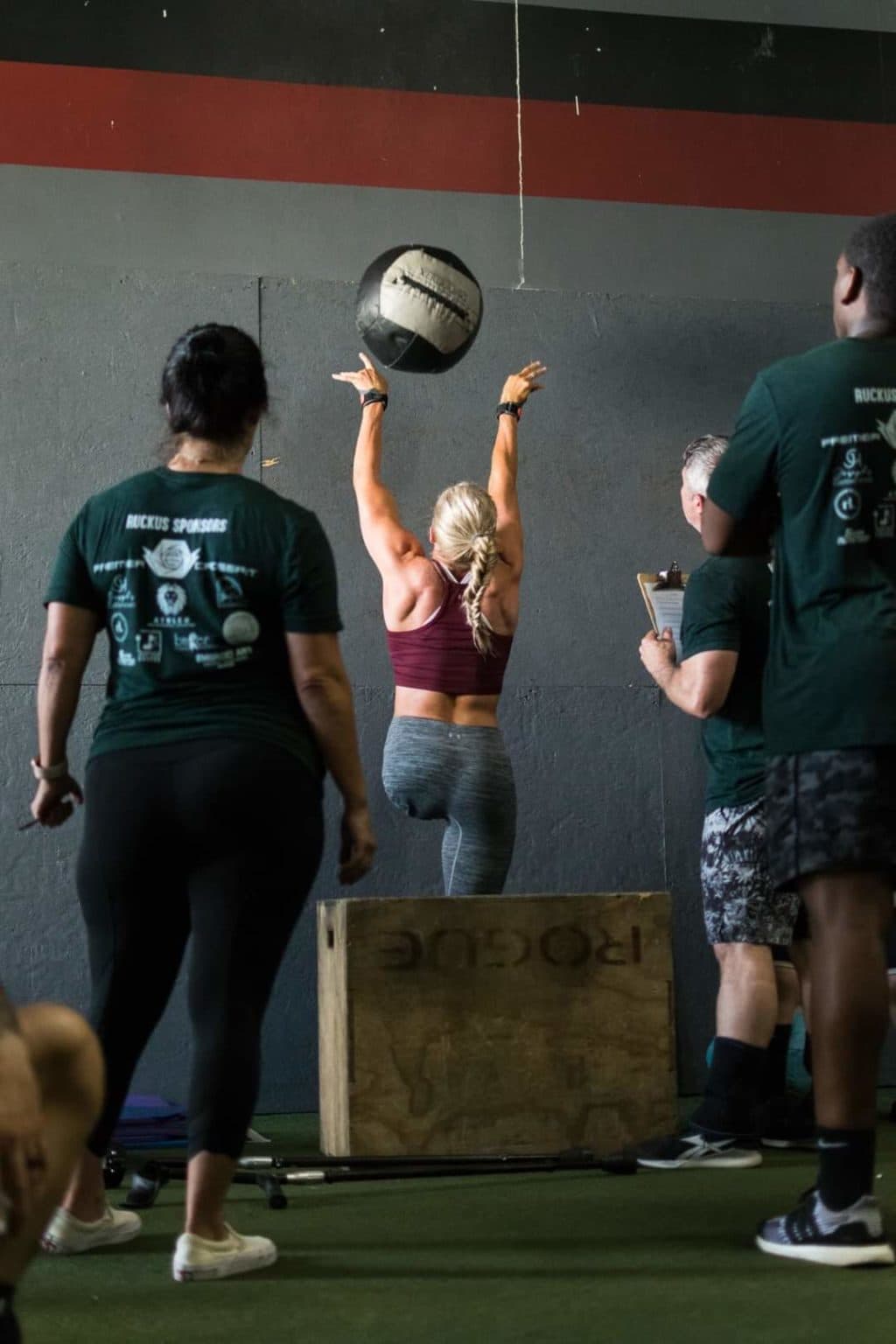
Diana Jordan's return to high-level CrossFit competition after losing a leg is a clear example of how adaptive training, thoughtful programming, and an engaged affiliate community can combine to rebuild sport and life. Jordan moved through a staged rehabilitation timeline into deliberate strength and sport-specific work, and her experience offers actionable lessons for coaches, athletes, and affiliates who want to train adaptive competitors safely and effectively.
Jordan's rehabilitation progressed from acute recovery to progressive loading and then to refined competition prep. That sequence mattered: early work prioritized tissue healing, mobility, and balance, then shifted to unilateral strength, hip and core stability, and finally to metabolic conditioning and skill work tailored for her limb difference. The psychological arc was equally important. Moving from a recovery mindset into a competition mindset required small wins, measurable progress, and programming that made each session meaningful while keeping injury risk low.
Training adjustments were practical and specific. Prosthesis considerations shaped exercise selection and volume; socket fit, alignment, and shock absorption influence tolerances for running, box jumps, and heavy lifts. Jordan's coaches favored scaled movement selections that preserved the intent of workouts while accommodating asymmetry, substituting single-leg or seated options where necessary, reducing range of motion rather than removing load, and sequencing work so prosthetic fatigue did not compound technical breakdowns. Progressive loading practices were gradual, with clear micro-goals and monitored increases in intensity and volume.
Coaches in Jordan's circle emphasized individualized progressions and medical oversight at every stage. Programming moved from controlled unilateral drills and tempo work into mixed modal sessions that introduced classic CrossFit stimulus in smaller doses. Practical tips included building capacity through higher-quality low-rep sets before adding metcon density, prioritizing single-leg strength and hip stability, and using technical drills to protect joints and prosthetic interfaces. Monitoring pain, skin integrity, and gait mechanics was nonnegotiable; adjustments were made based on clinical feedback rather than a timetable.
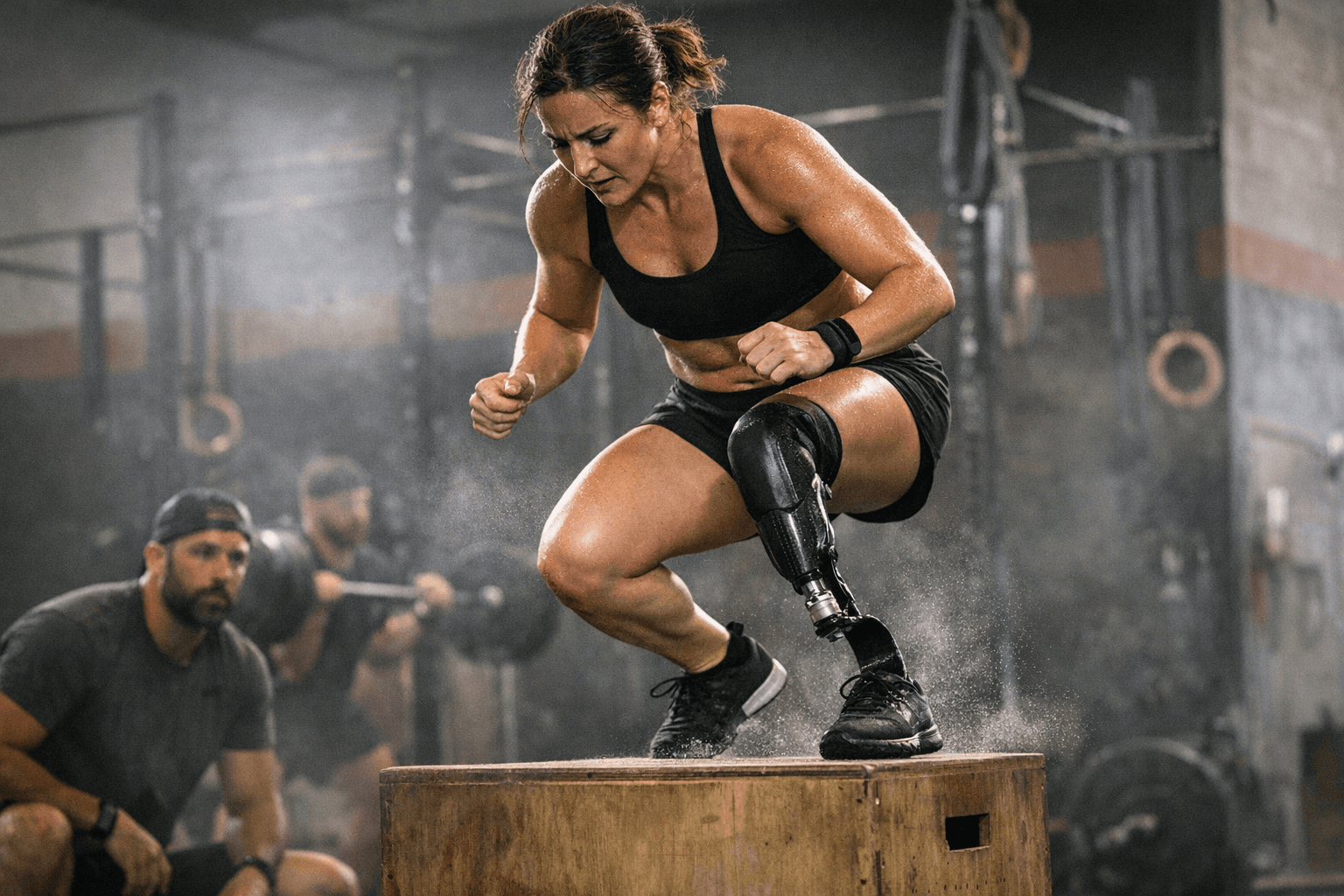
Community support underpinned Jordan's progress. Affiliate staff helped with logistics around prosthetic prep and transitions during classes, while fellow athletes provided pacing and motivation that mirrored any relay of a tough chipper or partner WOD. That human element made scaling feel inclusive rather than isolating and gave Jordan the competitive practice she needed.
For coaches and gym owners the takeaway is concrete: plan individual progressions, coordinate with medical professionals, adapt RX standards thoughtfully, and train staff on prosthesis basics so adaptive athletes can pursue competition safely. Jordan's path shows adaptive competitors can regain a leg up on the leaderboard when programming, equipment, and community align.
Know something we missed? Have a correction or additional information?
Submit a Tip