Adelaide Writers' Week cancelled after mass withdrawals and resignations
Adelaide Writers' Week is cancelled after about 180 writers withdrew in protest over the disinvitation of Dr Randa Abdel‑Fattah, provoking senior resignations and sponsor fallout.
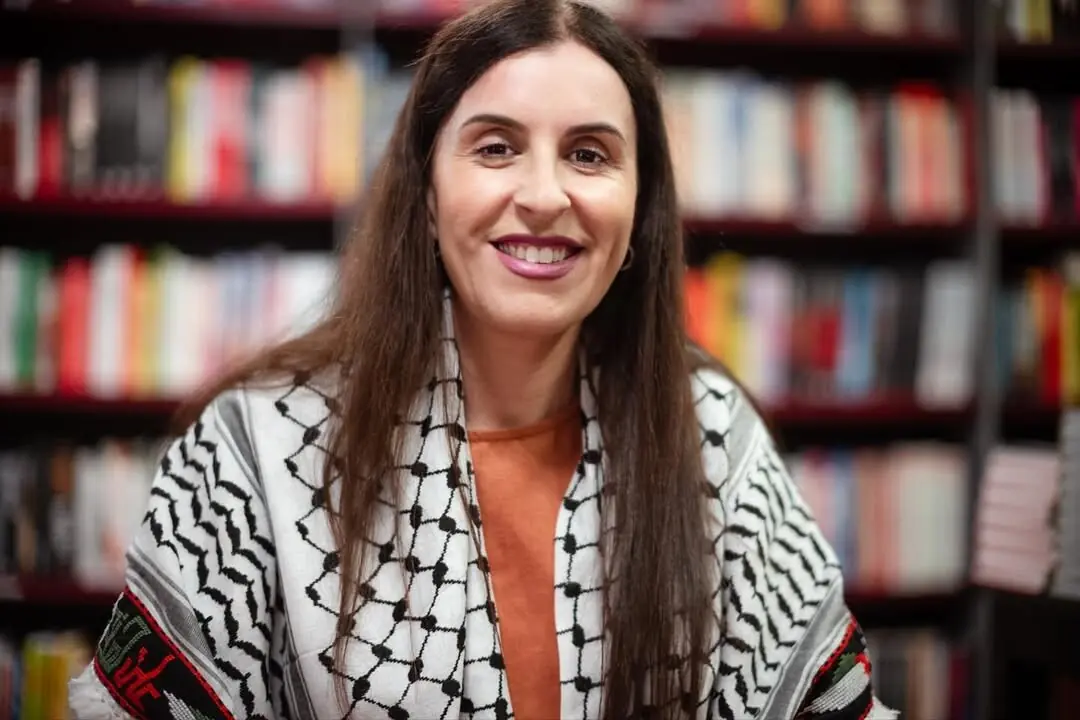
A mass withdrawal of participants and the resignation of senior organisers has forced the cancellation of Adelaide Writers' Week, the literary strand of the Adelaide Festival, just weeks before the broader festival is due to begin. The crisis centres on the board's decision to remove Palestinian‑Australian author Dr Randa Abdel‑Fattah from the programme, a move that set off an escalating boycott by writers, the departure of board members and the abrupt exit of the event's director.
The Adelaide Festival board said it removed Abdel‑Fattah because it would not be "culturally sensitive to continue to programme her at this unprecedented time so soon after Bondi," a reference to the Bondi Beach attack on 14 December 2025 that left 15 dead at a Hanukkah celebration. Abdel‑Fattah, an academic at Macquarie University who researches Islamophobia and Palestine, condemned the decision. She called her disinvitation "a blatant and shameless act of anti‑Palestinian racism and censorship" and described it as "a despicable attempt to associate me with the Bondi massacre."
The disinvitation prompted a rapid cascade of withdrawals. Reporting converged on roughly 180 participants stepping back by January 13, including internationally prominent figures such as Jacinda Ardern, Yanis Varoufakis, Zadie Smith, Roisin O'Donnell, Masha Gessen, Kathy Lette and Helen Garner. Some withdrawing authors framed the board's action as censorship and discrimination; others highlighted the difficult balancing act between addressing concerns about antisemitism after Bondi and protecting space for Palestinian voices in public debate. At least one sponsor is reported to have withdrawn support amid the turmoil.
The governance fall‑out was swift. Initial departures included four of the eight festival board members, among them the chair; by January 13 all members had resigned except for a remaining Adelaide City Council representative whose term is due to expire in February. Louise Adler, director of Adelaide Writers' Week and the organiser who had invited Abdel‑Fattah, announced her resignation on January 13. Adler, described as a Jewish Australian and the daughter of Holocaust survivors, said she disagreed with the board's decision and "could not be party to silencing writers," adding that "writers and writing matter, even when they are presenting ideas that discomfort and challenge us."
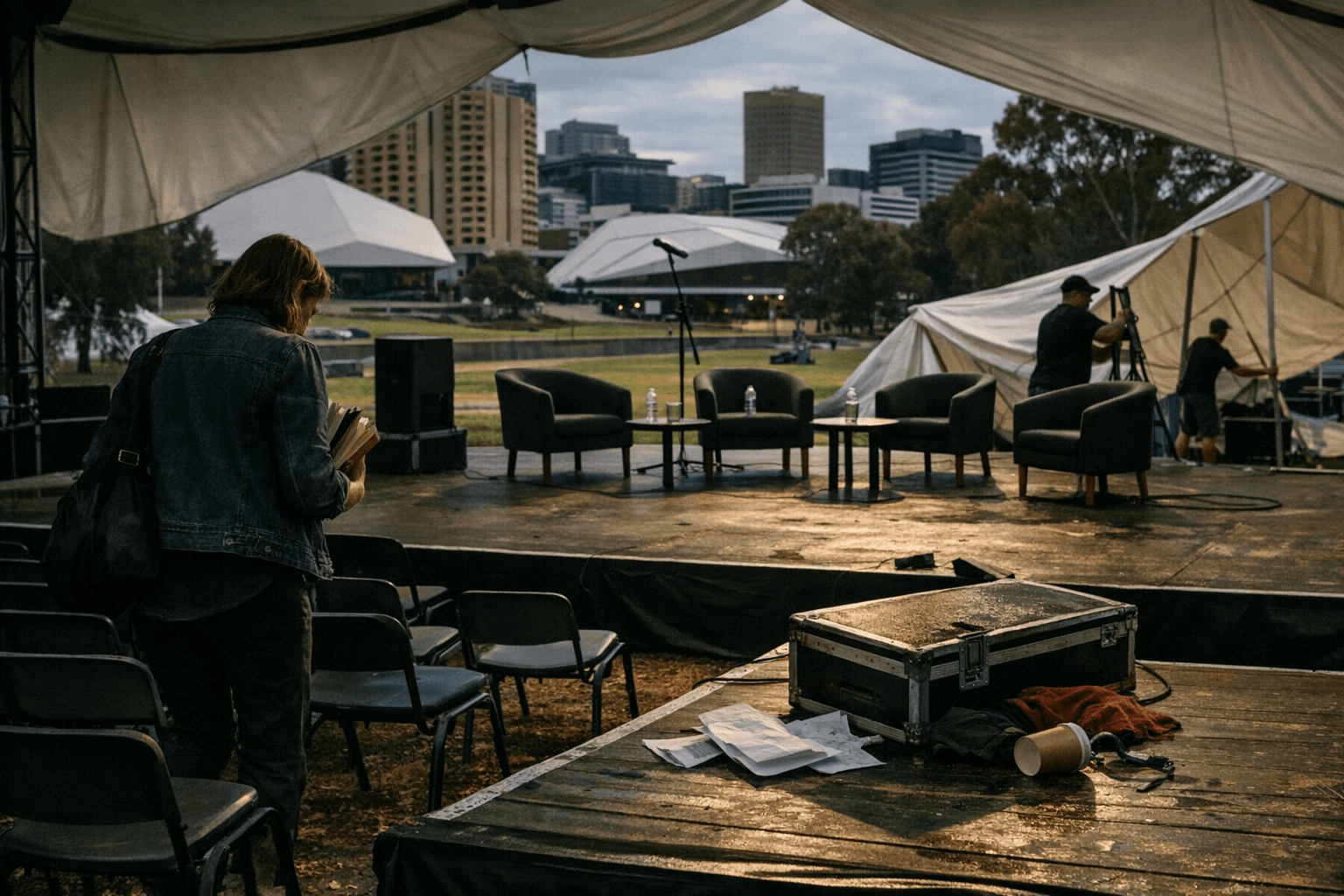
Faced with the loss of contributors and senior leadership, festival organisers announced that Writers' Week "could no longer go ahead." The board later offered an apology "for how the decision was represented" and framed some resignations as steps intended to "secure the success" of the festival in the year ahead, but the damage to institutional credibility is immediate.
Beyond the cancelled sessions, the episode exposes larger tensions in Australia’s cultural sector. Arts festivals are increasingly political spaces where curatorial choices are read as statements on social conflict. The Adelaide case highlights how fear of community backlash over safety and antisemitism can collide with commitments to free expression and inclusion of Palestinian perspectives. For funders and international participants, the episode raises fresh questions about governance, transparency and risk management at flagship events.
The immediate commercial impact will include lost ticket revenue, sponsor uncertainty and potential legal challenges. More enduring is the reputational cost: cultural institutions that handle contested programming without clear public reasoning risk alienating artists, audiences and donors, and may accelerate a trend of high‑profile boycotts as a lever of artistic accountability.
This article was produced by Prism’s automated news system from verified source data, official records, and press releases, then run through automated quality and moderation checks before publishing. The system is built and supervised by the people who set the standards it runs under. Read our full AI policy.
Did this article answer your question?