ADF attack in eastern Congo kills 16 in Beni
Sixteen people were killed in Beni, including one soldier, in the ADF’s first incursion there in three years.
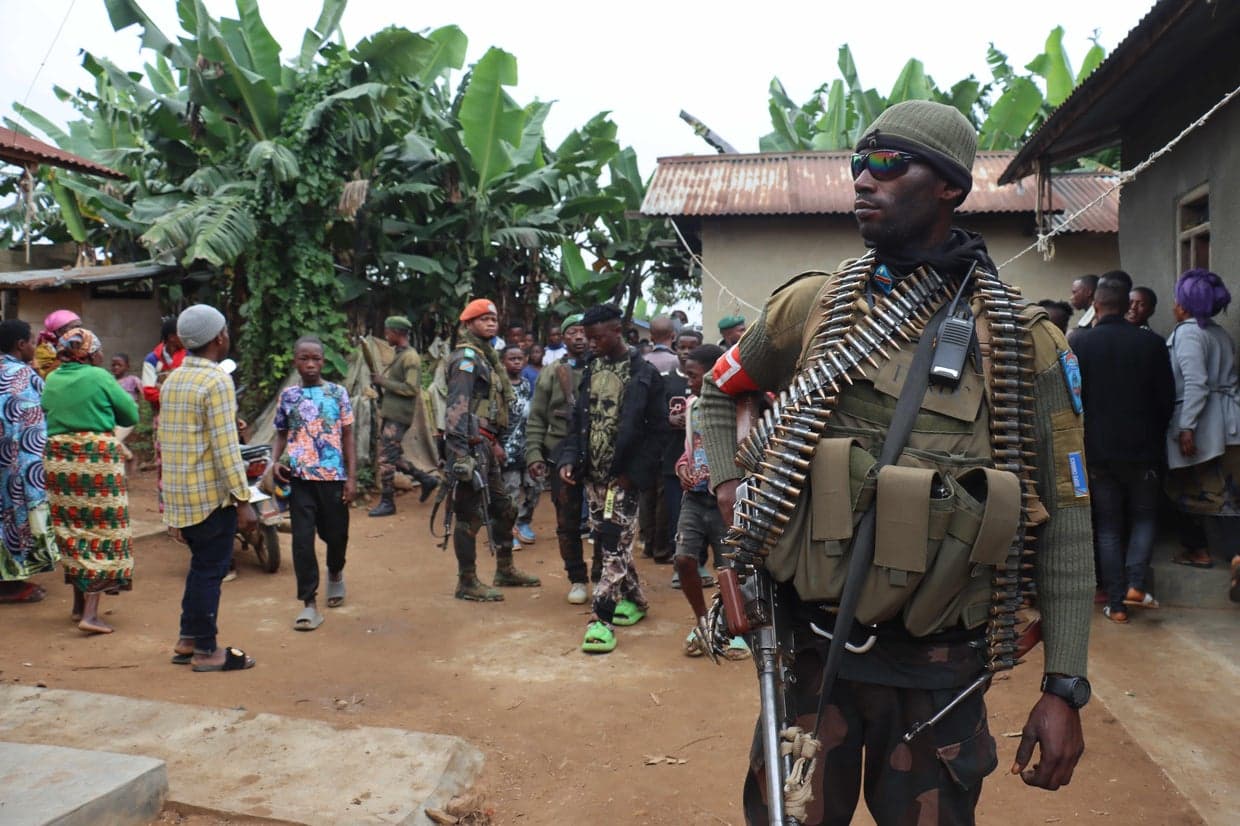
The killing of 15 civilians and one soldier in Beni exposed how little control the state still has over a city that has lived through years of rebel violence. The attack, blamed on Allied Democratic Forces fighters, hit a place that had not seen an ADF incursion in three years, a grim reminder that eastern Congo’s security crisis remains far from contained.
For residents in Beni, the danger is measured in nightly fear, flight from rumors and the constant calculation of whether to stay indoors after dark. The ADF has turned that routine into a way of life across North Kivu and Ituri, striking communities in Beni, Lubero, Irumu and Mambasa territory, often in remote areas where roads are poor and protection is thin. Even when the death toll is lower than in the region’s worst massacres, each raid deepens displacement and hardens mistrust in official promises of security.
The government condemned the attack and said it would continue military operations against the armed group, but the latest killings also showed that the ADF still can hit both civilians and security personnel. That matters because the group has spent years building a reputation as one of the deadliest insurgencies in eastern Congo, while also maintaining ties to Islamic State’s Central Africa Province. Its ability to strike inside Beni, after years of pressure and repeated offensives, suggests that battlefield gains have not translated into lasting protection for civilians.
Operation Shujaa, the joint Uganda and Congo campaign launched in November 2021, has produced tactical victories. In February, joint forces said they struck an ADF camp west of the River Epulu, rescued 12 captives and recovered weapons and bomb-making materials. In April, Uganda’s military said joint troops freed about 200 civilians in another raid in northeastern Congo. Yet those operations have not neutralized the threat, and the Beni attack underscored the limits of military action alone.
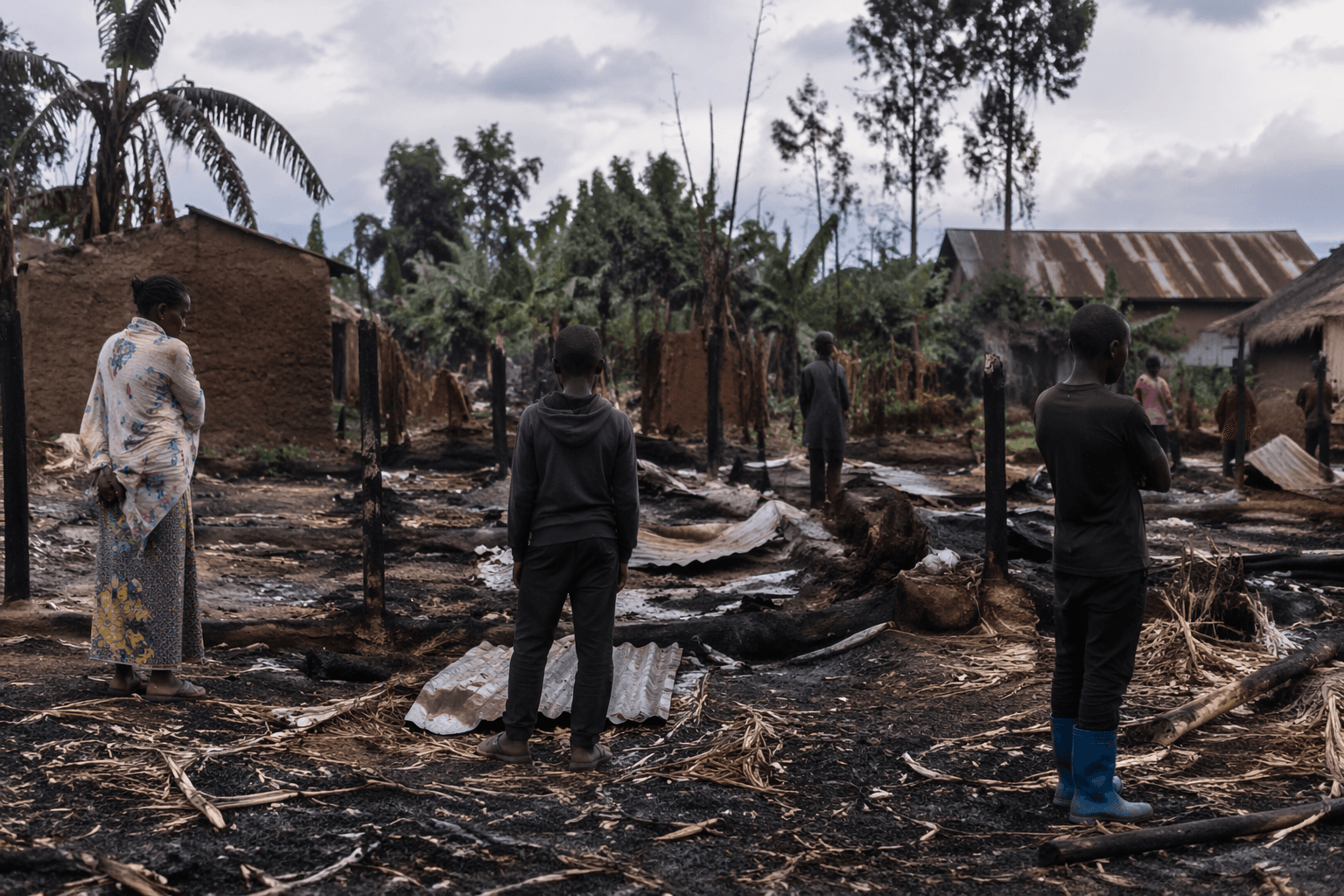
Amnesty International said in a May 2026 report that ADF abuses in eastern Congo amounted to war crimes and crimes against humanity. Based on 71 interviews in North Kivu, including 45 victims and survivors, the report described deliberate killings of civilians, attacks on medical facilities, looting and burning of homes, abductions of men, women and children, forced labor and sexual violence against women and girls. Amnesty also said attention on the M23 rebellion has given the ADF room to intensify its own campaign of violence.
The Beni killings fit a larger pattern of insecurity that has battered North Kivu and Ituri, where families have been displaced from farmland, trade routes have been disrupted and access to health care, food and education has been repeatedly constrained. The latest attack did not just add to the body count. It showed, again, that eastern Congo’s long war with the ADF remains unresolved, and that civilians in Beni are still paying the price.
This article was produced by Prism’s automated news system from verified source data, official records, and press releases, then run through automated quality and moderation checks before publishing. The system is built and supervised by the people who set the standards it runs under. Read our full AI policy.
Did this article answer your question?


