ADM helps brands choose dairy, soy, or pea protein blends
Protein is being picked for what it does, not where it comes from. ADM is pushing brands to weigh taste, solubility, cost, and label story first.
Protein choice is now a formulation decision
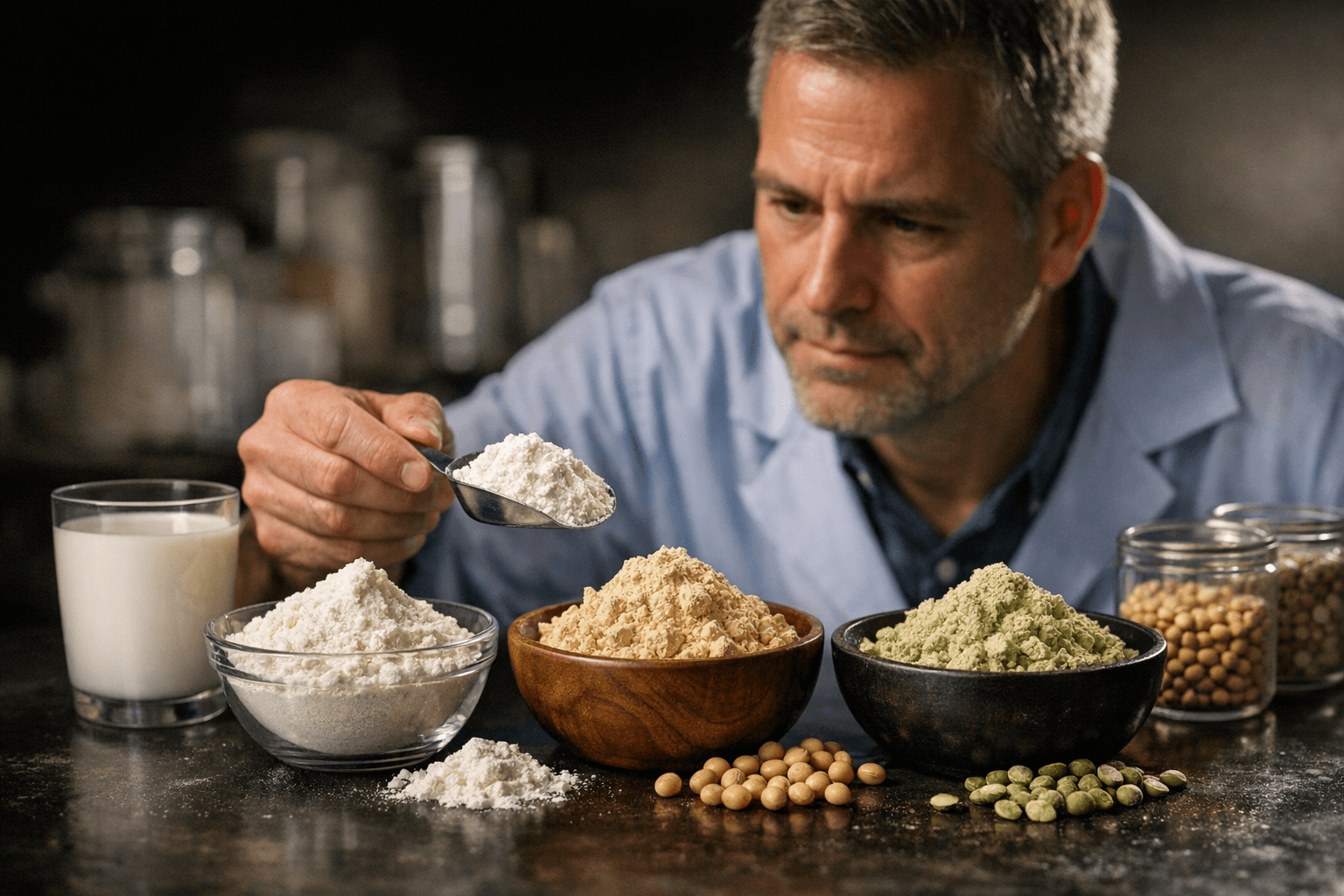
ADM’s latest message to food makers is blunt: the old protein debate is no longer about plant versus animal. The real question is which ingredient, or blend, gives a brand the best balance of nutrition, taste, cost, texture, and label appeal in the finished product. In Food Dive’s April 23, 2026 reporting, ADM said consumers are less focused on protein type than on how much protein a product delivers, which shifts the conversation from sourcing to performance.
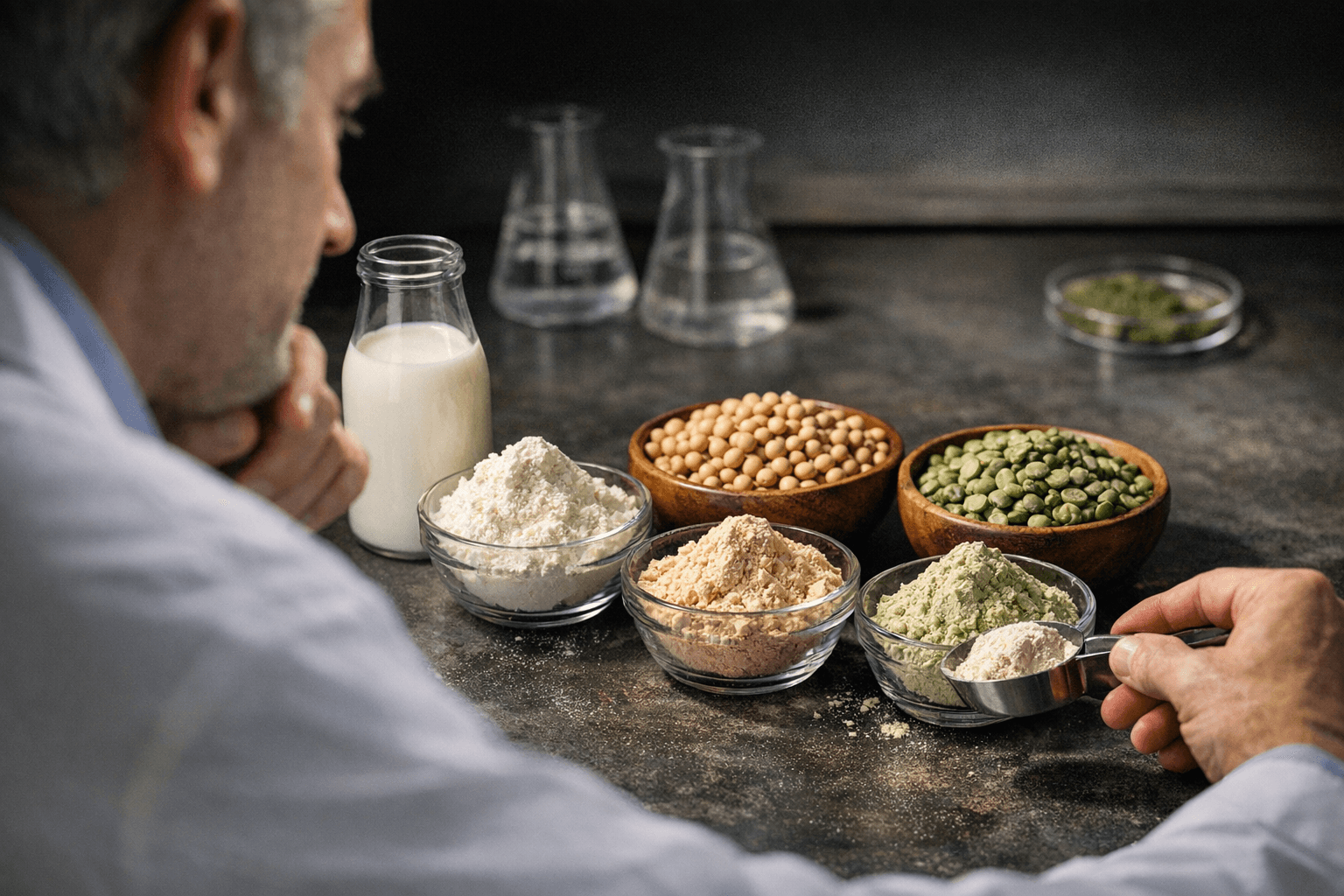
That matters because the same protein can behave very differently depending on the application. A drink, a bar, a snack, or a hybrid meat product all ask something different of the formula, and ADM’s view is that brands should start with the product goal, then work backward to the protein system that can deliver it. In practice, that means formulation teams are judging proteins by how they disperse, how they taste, how they hold up to heat, and whether they support the brand story at a price shoppers will accept.
What brands are weighing first
The clearest takeaway from ADM’s position is that protein performance now comes before protein identity. A reformulator may want a cleaner taste, a stronger amino acid profile, better solubility, a firmer texture, or a lower-cost path to launch. Those priorities can point in different directions, which is why ADM says the choice of dairy, soy, or pea protein can depend on the brand’s messaging and the product’s overall goal.
ADM’s own product descriptions show how that thinking works in real formulations. The company describes pea protein as clean and neutral-tasting, with light color and functionality built in. It describes soy protein isolates as extremely neutral-tasting and says they can reduce the need for modulation and maskers. Those details matter because flavor masking, color management, and texture correction all add complexity and cost when a base protein does not fit the application cleanly.
The same logic reaches across multiple categories. ADM says its protein systems are used in meat alternatives, seafood alternatives, snacks, bars, beverages, and dairy alternatives, which is a strong signal that protein choice is becoming an application-by-application decision rather than a one-size-fits-all sourcing call.
Why blends are gaining ground
ADM has been making the case for protein diversity for some time, and its 2025 alternative protein outlook puts the pressure points in plain language. Manufacturers are being asked to deliver more protein, more varied protein sources, better nutrition, pleasing sensory experiences, and accessible prices all at once. That combination is difficult for any single ingredient to satisfy across every product type, which is why ADM explicitly said there is opportunity in blends of different proteins.
Blending lets formulators split jobs across ingredients instead of forcing one protein to do everything. One component may bring neutral flavor, another may improve mouthfeel, and another may help with nutrition or cost. For brands, that can be the difference between a product that sounds good on paper and one that actually survives taste tests, processing, and repeat purchase.
ADM’s 2026 consumer trend material points in the same direction, saying consumers are opting for next-generation plant and animal-based proteins that value positive nutrition, sustainability, and exploration. Another ADM trend report says consumers are seeking more protein, more formats, and more flavor. Put together, those signals suggest that shoppers are still open to variety, but they expect the final product to taste good and fit their routines, not just carry a protein claim.
Hybrid products are part of the same playbook
ADM’s blended meat framing helps explain where the market is headed. The company says blended meat products combine plant ingredients and or plant proteins with traditional animal proteins, creating a nutrition-focused eating occasion and helping lower methane production, water usage, and land clearing. That makes hybrid formulations more than a compromise; they are becoming a deliberate way to balance sensory expectations, nutrition targets, and environmental goals in one product.
For manufacturers, the appeal is obvious. A hybrid formula can preserve familiar eating qualities while still leaning into protein diversity and efficiency. It also gives brands more room to tune texture, flavor, and cost than a pure source story would allow, which is exactly the kind of flexibility ADM is encouraging across the category.
The label still has to work
Even as the market grows more focused on grams than on protein source, the label still matters. In the United States, protein claims are governed by U.S. Food and Drug Administration nutrient content claim rules, and protein labeling is tied to Daily Value calculations. That means brands cannot simply chase a high-protein story without making sure the number on pack is supported, compliant, and meaningful within the Nutrition Facts framework.
This is where formulation and compliance meet. A product can be technically rich in protein, but if the claim language is weak, the label math is off, or the product format makes the protein hard to deliver cleanly, the commercial story gets harder to sustain. ADM’s framing suggests that manufacturers should think about protein not just as an ingredient line item, but as a combined technical and labeling decision.
Why ADM’s view carries weight
ADM is not new to this conversation. The company says it invented textured vegetable protein in the 1960s and has 75 years of experience in alternative protein design and taste expertise. That history gives context to its current stance: protein innovation has moved from proving that alternatives can exist to proving that they can work beautifully in real products.
That is the more useful test for today’s market. Whether a brand lands on dairy, soy, pea, or a blend, the winning formula will be the one that delivers on solubility, texture, flavor, heat stability, and cost while still making sense on shelf and in the shopper’s basket. ADM’s message is that protein success now belongs to the ingredient system that performs best, not the one with the simplest source story.
Know something we missed? Have a correction or additional information?
Submit a Tip