ADP says U.S. private payrolls rose 122,000 in May
Private payrolls rose 122,000 in May, but ADP’s reading is still a cautious signal ahead of Friday’s official jobs report. Broad hiring eased fears of a sharper slowdown.

Hiring in the private economy picked up in May, but the latest ADP tally is still best read as a directional clue, not a final verdict. U.S. private payrolls increased by 122,000, topping economists’ forecast of 117,000 and rebounding from a revised 105,000 gain in April.
That makes the report a modest sign of labor-market resilience as summer approaches. ADP, which works with Stanford Digital Economy Lab, says the reading is based on anonymized weekly payroll data from more than 26 million private-sector employees, while its Pay Insights measure tracks more than 15 million individual pay-change observations each month. Even so, markets treat the series cautiously because ADP has often diverged from the Bureau of Labor Statistics’ official nonfarm payroll count.
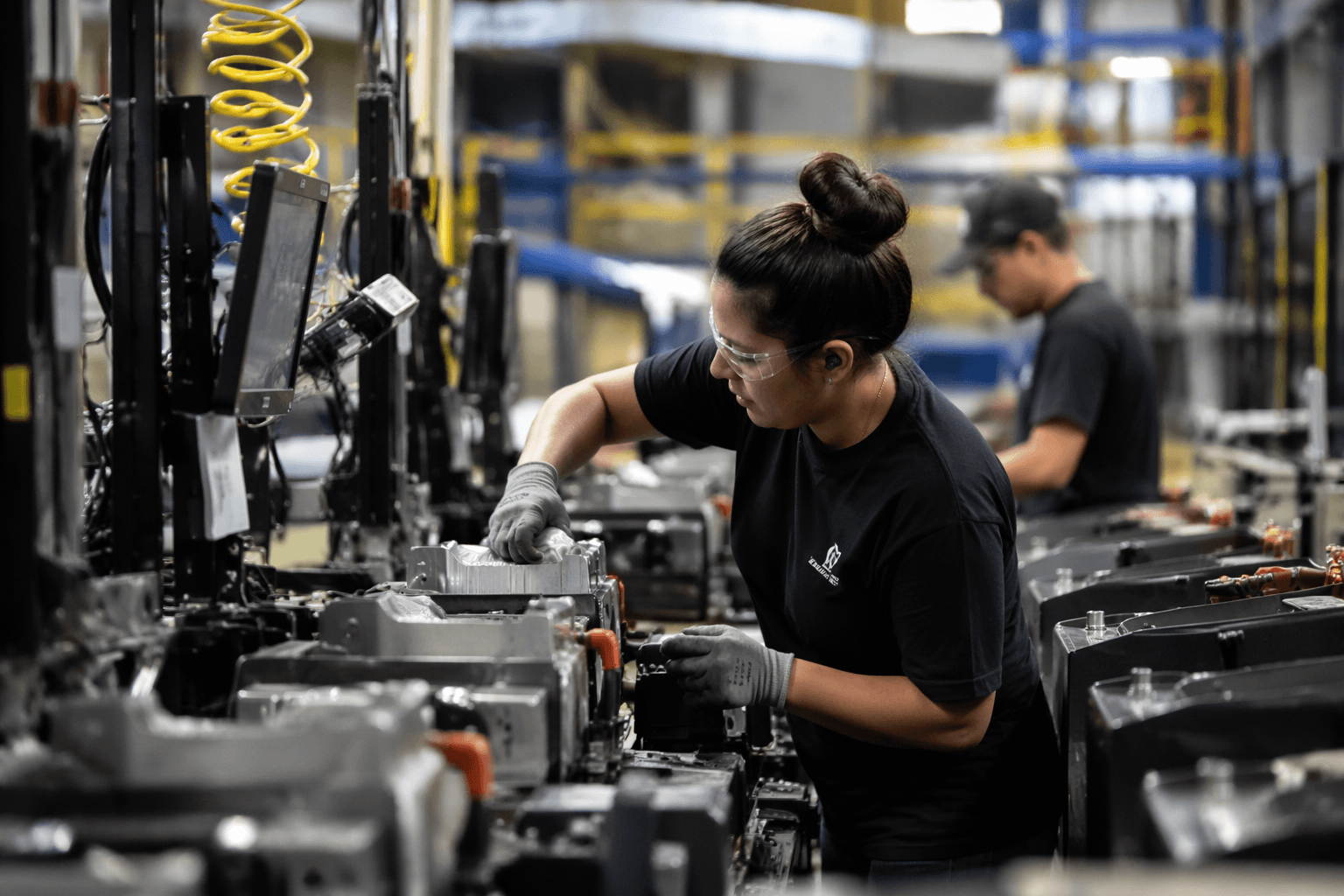
The details pointed to a broader recovery than in recent months. ADP chief economist Nela Richardson said hiring was more broad-based in May than ADP had seen in the last few years. Eight of the 10 supersectors ADP tracks posted gains. Education and health services led with 57,000 jobs, followed by trade, transportation and utilities with 36,000. Professional and business services added 11,000, construction and leisure and hospitality added 8,000 each, financial activities rose by 7,000 and other services added 4,000. Offsetting those gains, information shed 9,000 jobs and natural resources and mining lost 3,000.

The strength was also spread across employer sizes. Small establishments added 67,000 jobs, medium-sized firms added 17,000 and large establishments added 40,000. CNBC said May was the strongest month for private payroll growth since January 2025, reinforcing the idea that hiring momentum improved after a softer stretch tied in part to tariff uncertainty.
Wage growth held steady for workers who stayed in their jobs, with annual pay up 4.4% from a year earlier, unchanged from April. Pay for job-changers slowed slightly to 6.5% from 6.6% the month before. That combination matters for the Federal Reserve, which is trying to judge whether the labor market is cooling enough to restrain inflation without tipping into a deeper slowdown.
The next test comes with the government’s official jobs report due Friday, June 5. If that data confirms the breadth ADP showed, it would strengthen the case that hiring is stabilizing rather than deteriorating. If it does not, markets will likely keep treating ADP as what it has long been: a useful preview, but not the last word.
This article was produced by Prism’s automated news system from verified source data, official records, and press releases, then run through automated quality and moderation checks before publishing. The system is built and supervised by the people who set the standards it runs under. Read our full AI policy.
Did this article answer your question?