Adriana Diaz previews Met Gala prep, dress code and fashion-art theme
Adriana Diaz’s Met Gala preview shows how fashion spectacle is built, branded and bankrolled by the museum behind it.
The Met Gala as a funding machine
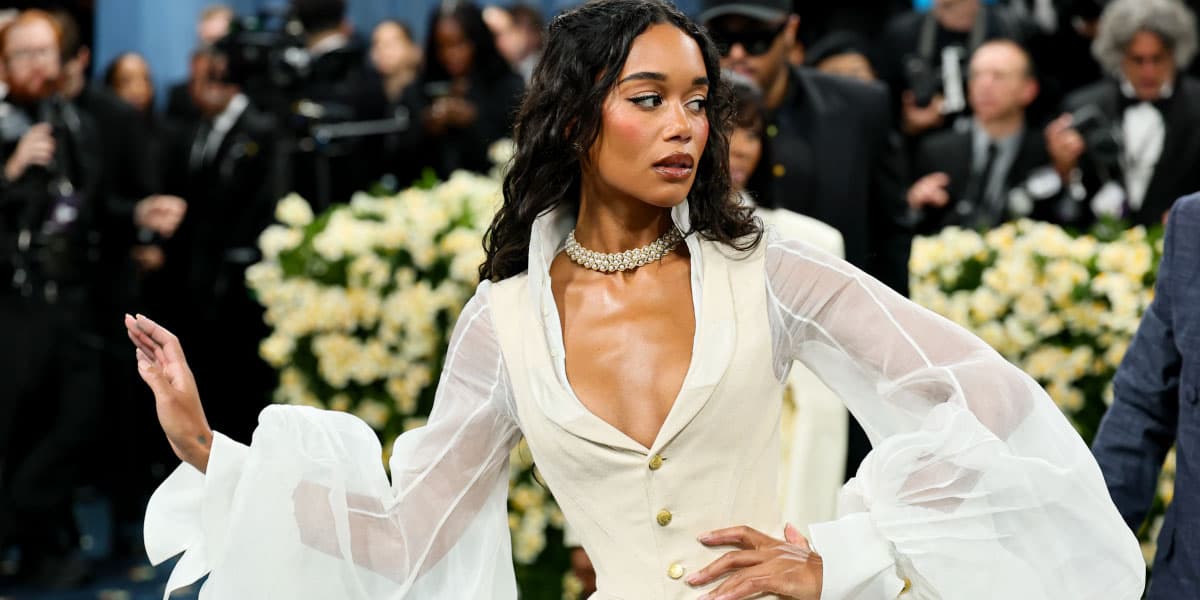
Adriana Diaz’s behind-the-scenes prep turns the Met Gala into more than a celebrity parade. What looks like a single night of couture is actually the most important fundraising event for The Metropolitan Museum of Art’s Costume Institute, a tightly choreographed system that converts attention into operating money.
The Costume Institute Benefit, known globally as the Met Gala, is held every year on the first Monday in May. Its role is unusually direct for a cultural event: it serves as the primary source of funding for the Costume Institute, helping pay for exhibitions, publications, acquisitions and day-to-day operations. The 2026 gala took place on Monday, May 4, at The Metropolitan Museum of Art in New York City, placing fashion at the center of one of the art world’s most visible institutions.
Why the prep matters
Diaz’s backstage access matters because it exposes the labor hidden beneath the image. The Met Gala often reads like instant glamour, but the finished look is the result of planning, styling and coordination that begins well before cameras line the carpet. That makes the event a useful case study in the economics of visibility: the image appears effortless, yet every frame has been produced, managed and optimized.
For the audience, the appeal is obvious. For the institution, the stakes are bigger. Every fitting, every headline and every photograph feeds the larger business model of the gala, where public fascination is translated into money for the museum’s fashion program. That is why the Met Gala remains such a powerful machine: it monetizes cultural attention without looking like a standard fundraiser.
Theme and dress code are not the same thing
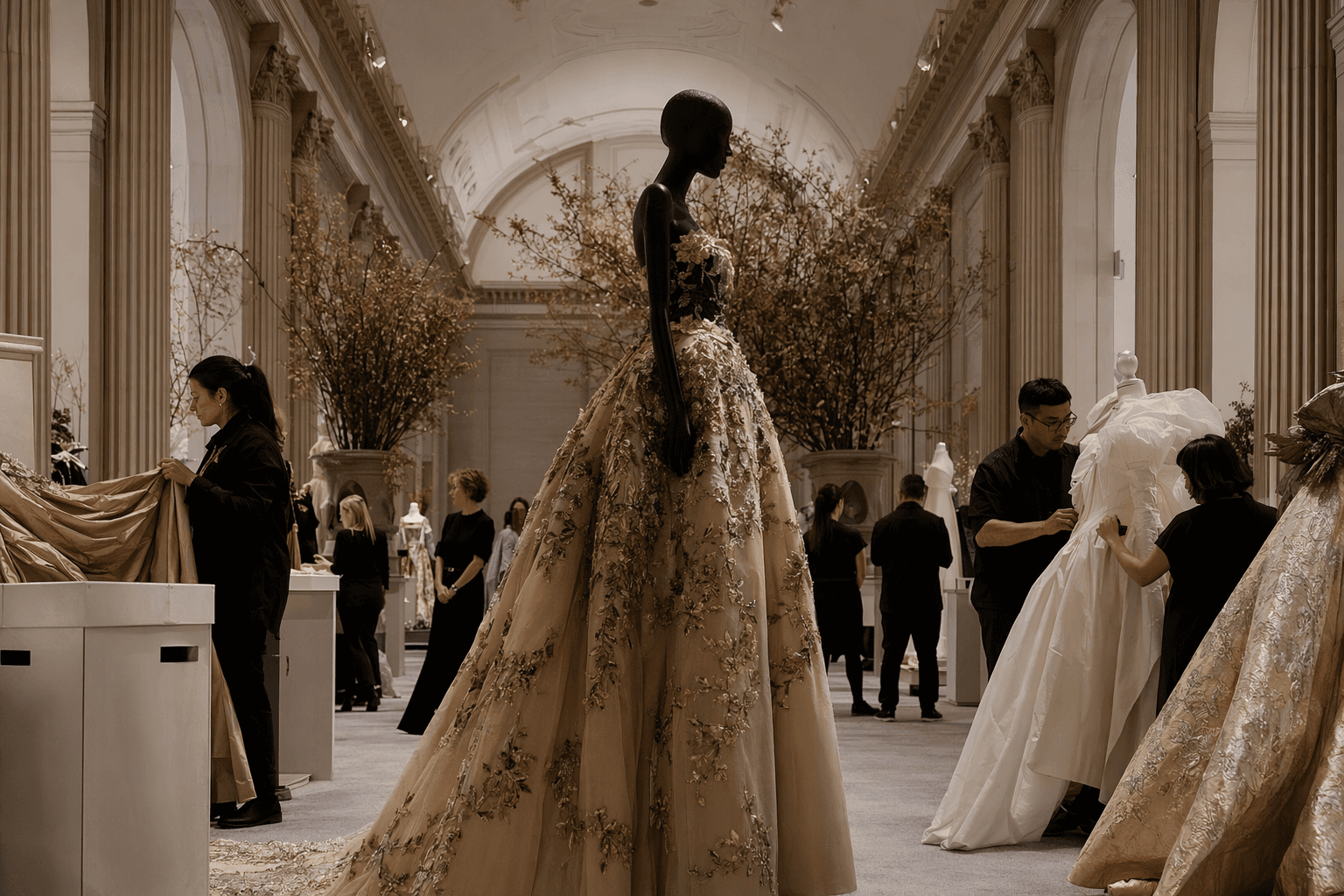
This year’s Met Gala was built around the spring 2026 exhibition, “Costume Art,” which opens on May 10, 2026 and runs through January 10, 2027. The exhibition’s focus is the relationship between fashion and art, giving the gala a conceptual frame that goes beyond celebrity dressing and into museum-level interpretation.
The dress code, by contrast, was set as “Fashion Is Art.” That distinction matters, because the theme and the dress code do different jobs.
- The theme, “Costume Art,” is the curatorial idea behind the gala and the exhibition.
- The dress code, “Fashion Is Art,” is the style brief that guides what guests wear.
- The exhibition opens after the gala, so the carpet acts like a preview of the museum’s larger narrative.
That separation is where the Met Gala’s cultural power lives. The museum defines the intellectual frame, while designers, stylists and stars turn that frame into a global visual event. In other words, the Met does not just host fashion; it packages fashion as a form of art history and then sells the world on the idea.
The 2026 co-chairs signal star power and scale
The 2026 edition leaned hard into high-profile visibility, with Beyoncé, Nicole Kidman and Venus Williams named as co-chairs alongside Anna Wintour. That lineup spans music, film, sport and fashion authority, which is exactly the point: the Met Gala is designed to pull multiple audiences into the same cultural moment.
The co-chairs are not just decorative names on a program. They are part of the event’s marketing architecture, helping convert elite social capital into mass attention. Their presence gives the gala broader reach and reinforces the idea that fashion at this level is inseparable from celebrity branding, institutional prestige and media distribution.
The money behind the spectacle
The fundraising numbers show why the gala remains such a central date on the cultural calendar. The 2025 Met Gala raised a record $31 million for the Costume Institute, setting a benchmark that made the 2026 event look less like a party than a financial performance. With the museum expecting another major fundraising year, the gala’s commercial importance was clear well before the first guest stepped onto the carpet.
That revenue matters because it underwrites the Costume Institute’s ability to mount exhibitions and build its collection. It also explains why the event draws such intense attention from designers, luxury houses and media outlets. The Met Gala is where image and money meet in public: fashion gets the spectacle, the museum gets the funding, and everyone in the ecosystem understands that visibility itself is a valuable asset.
Why the fashion-art framing endures
The 2026 “Costume Art” theme underscores a long-running truth about the Met Gala: it is never only about clothes. By tying the gala to an exhibition that examines fashion and art as connected forms, the museum turns the red carpet into a live extension of its curatorial mission. Guests are not simply dressing up for pictures; they are participating in a branding exercise for the museum, the designers and themselves.
That is what makes Diaz’s behind-the-scenes prep so revealing. It shows that the glamour on display is manufactured through planning, and that the payoff is not limited to a single evening. The gala supports the Costume Institute’s work, the exhibition extends the conversation into the spring and winter, and the images keep circulating long after the night is over. In the Met Gala economy, fashion is not just seen. It is organized, priced and converted into cultural capital.
This article was produced by Prism’s automated news system from verified source data, official records, and press releases, then run through automated quality and moderation checks before publishing. The system is built and supervised by the people who set the standards it runs under. Read our full AI policy.
Did this article answer your question?