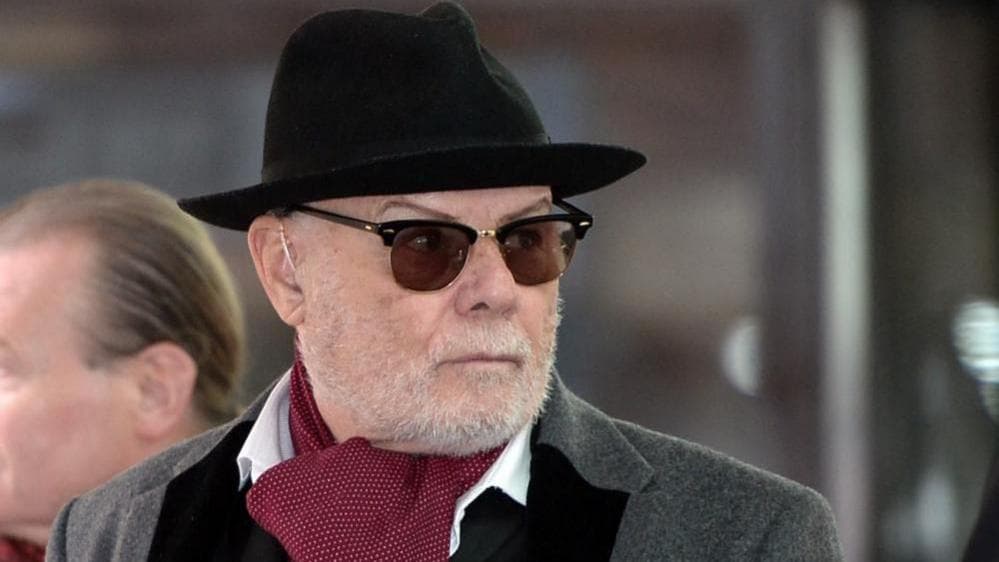
Itzhak Perlman Reflects on Violins of Hope and Auschwitz Violin
A violin once played at Auschwitz gave Itzhak Perlman a direct, physical link to Holocaust memory as Violins of Hope carried that history into concert halls.

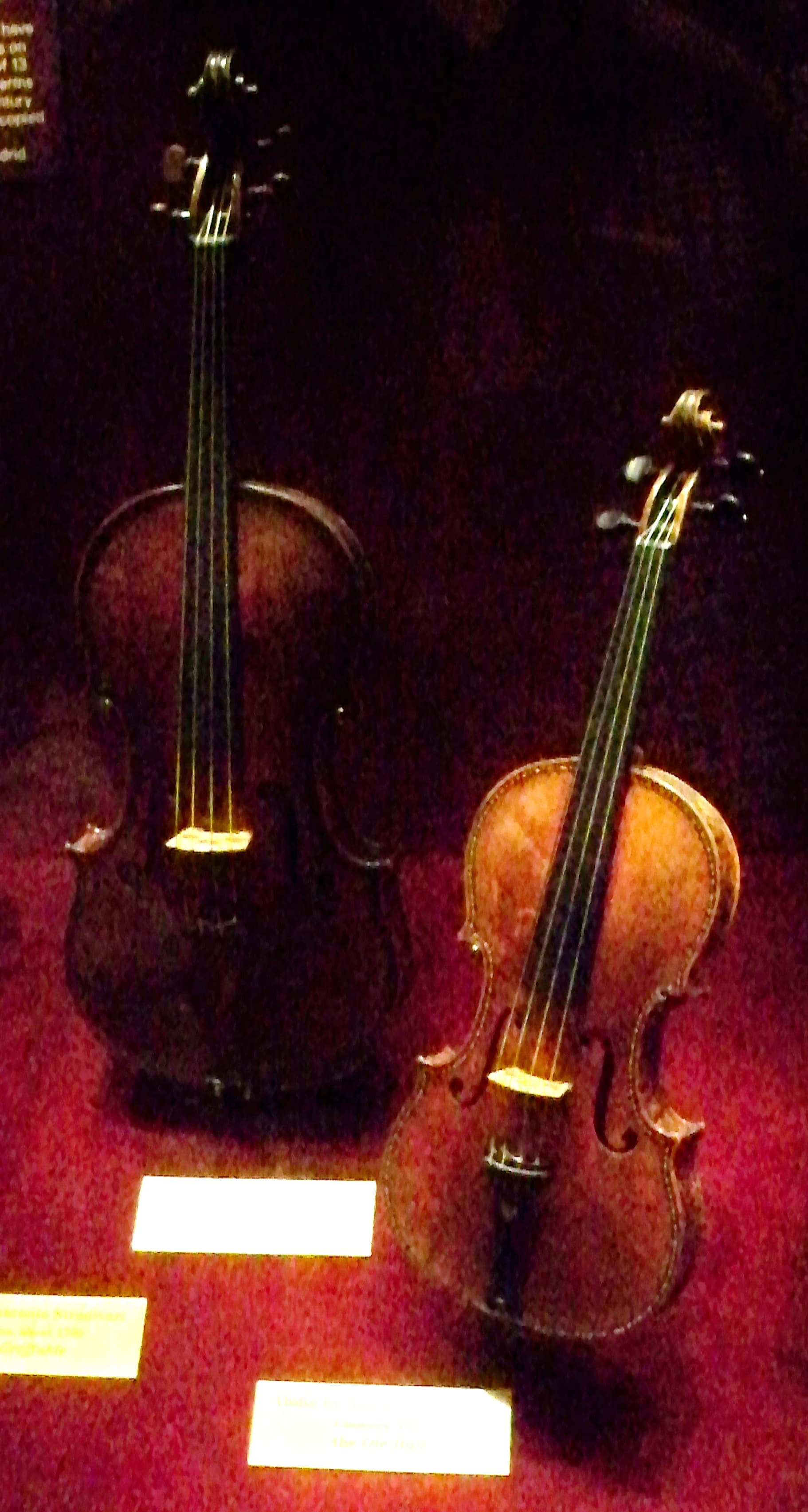
A violin made around 1850 in Germany and once owned by an inmate who played in the men’s orchestra at Auschwitz has become one of the most powerful objects in Violins of Hope, the touring project that turns Holocaust memory into something listeners can see and hear.
Itzhak Perlman spoke about that instrument on CBS Saturday Morning, reflecting on what it meant to play a violin tied to Auschwitz and on the force of a program built around instruments that survived the war alongside the people who owned them. The collection includes violins, violas and cellos gathered since the end of World War II, many of them once belonging to Jews before and during the Holocaust. Some were donated by survivors, some were bought from survivors, and others were passed down through family members. A number are marked with Stars of David, making the instruments themselves part of the record.
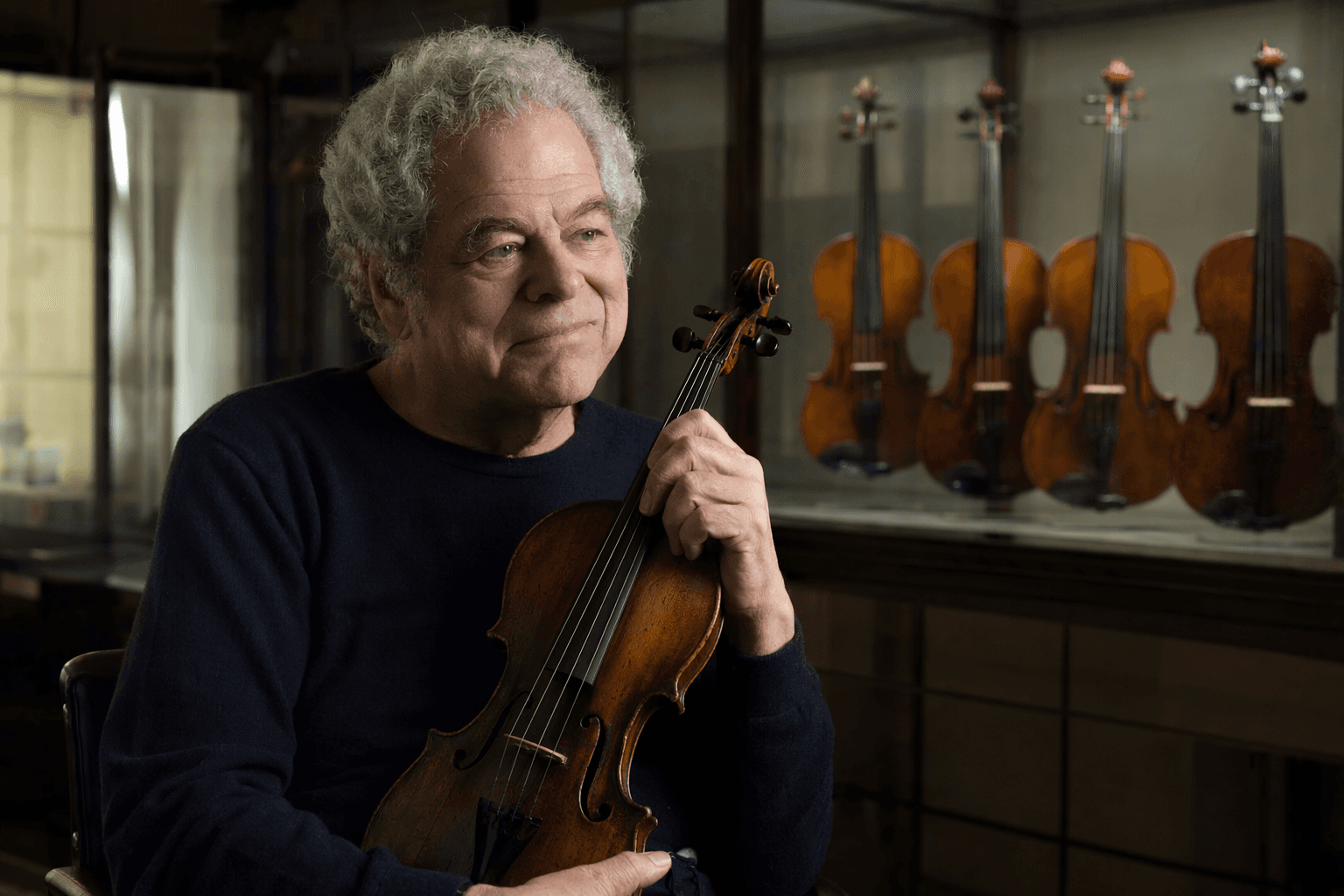
The collection, associated with Israeli violin-makers Amnon Weinstein and his son Avshalom, now includes more than 60 instruments, according to the project’s CV page. The first concerts using the violins took place in Turkey and Israel in 2008, and the project has since traveled internationally through concerts, exhibits, school programs and other educational events. In that sense, the instruments are not simply preserved artifacts. They are working witnesses, carrying memory into rooms where many survivors are no longer able to tell their stories in person.
That urgency gives the project its contemporary weight. As living testimony fades, the Violins of Hope collection offers a different kind of continuity, one rooted in craftsmanship, ownership and survival. One violin in the collection is linked to the Bielski partisans, and the project says the restoration is dedicated to the group credited with saving 1,230 Jews during the war. Another instrument has been used in educational efforts that connect music to Holocaust history through direct encounter rather than abstraction.
The project has also resonated across the United States. CBS News featured Violins of Hope on December 6, 2015 in a story on a Cleveland Orchestra performance using the instruments. More recently, JCC Chicago organized more than 50 events across Illinois for a 2022 tour, and Los Angeles County launched programming centered on Holocaust education through music and culture. Together, those events show why these instruments matter now: they make remembrance tangible, intimate and durable, carrying history from the hands that survived it to the audiences that inherit it.
This article was produced by Prism’s automated news system from verified source data, official records, and press releases, then run through automated quality and moderation checks before publishing. The system is built and supervised by the people who set the standards it runs under. Read our full AI policy.
Did this article answer your question?