Advanced Avian Medicine Course in Shanghai Offers Parrot-Focused Hands-On Training
A four-day advanced avian medicine master course begins today in Shanghai, offering parrot-focused clinical lectures and hands-on labs that boost diagnostic and surgical skills for vets and advanced caregivers.

An intensive four-day advanced master course in avian and exotic-pet medicine opens today in Shanghai, bringing concentrated, parrot-specific clinical training and practical labs to veterinarians and experienced caregivers. Running January 20-23, 2026, the program pairs didactic sessions on common parrot health challenges with hands-on practice in imaging, endoscopy, and orthopedic techniques.
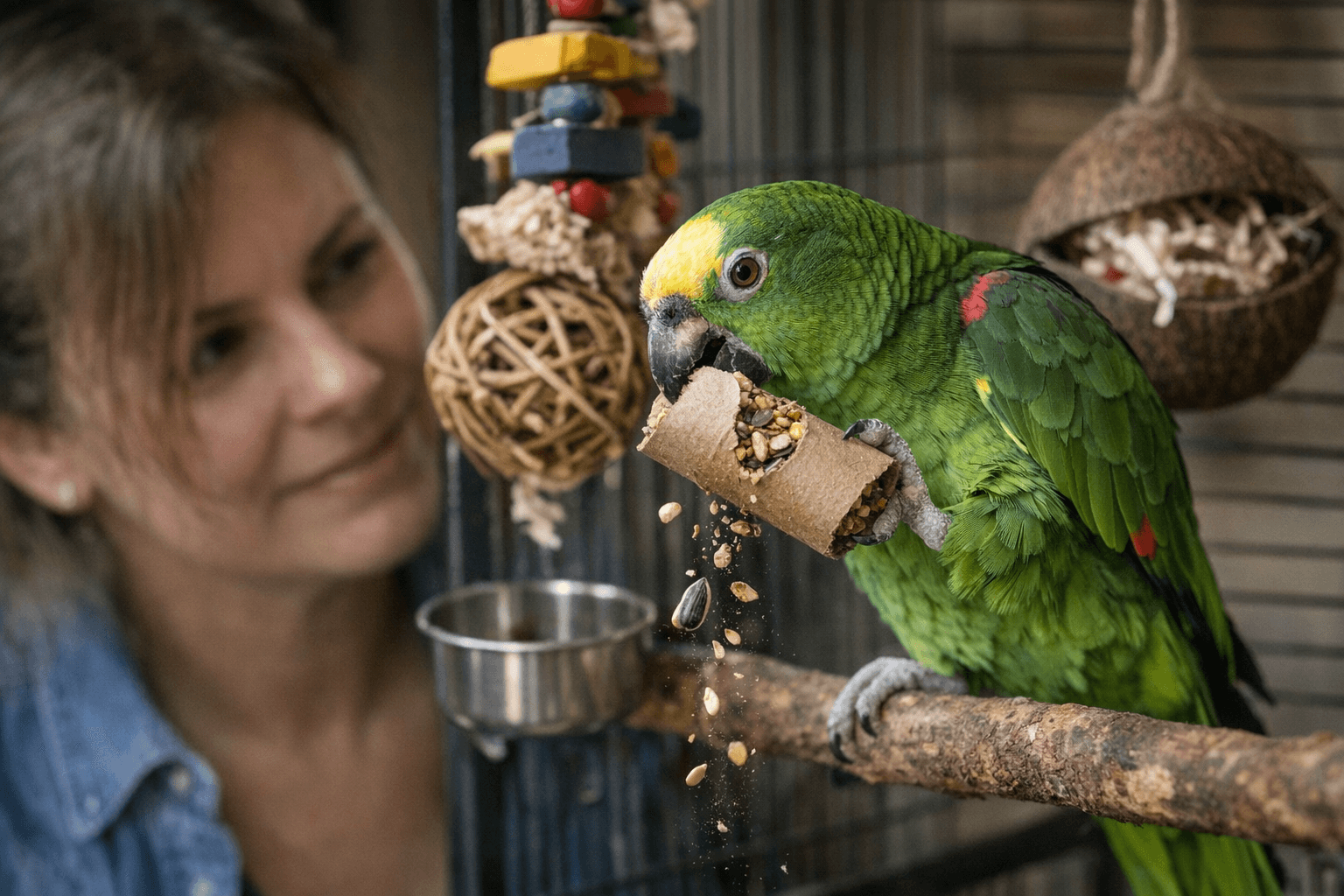
Faculty for the course include Prof. Lorenzo Crosta and Dr. Petra Schnitzer, and the curriculum targets conditions that routinely affect companion parrots. Sessions listed for the program cover feather-damaging behaviour, beak disease, avian endocrinology, avian ultrasound and imaging, orthopedics and soft-tissue surgery, and clinical pathology. The schedule explicitly includes environmental enrichment and hand-rearing and behavioural topics, making the material directly applicable to long-term companion bird management as well as acute clinical cases.
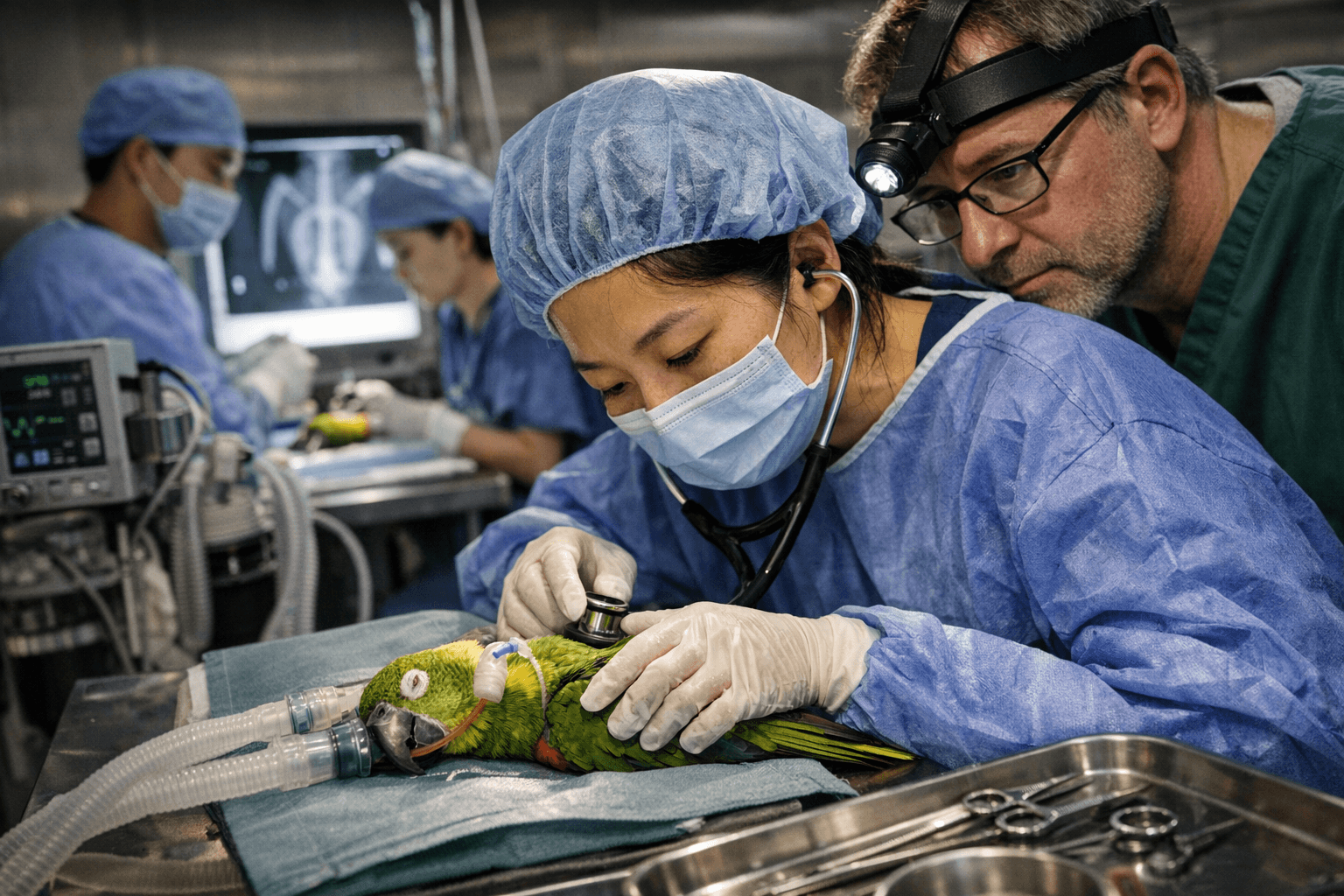
Hands-on practical labs are a marquee feature. Attendees will work with ultrasound, endoscopy, and orthopedic procedures in supervised settings, translating imaging and surgical theory into skills that can be used in clinic. Organizers note limited seats for these practical stations, so capacity for one-on-one practice is constrained and designed to maximize instructor contact time.
The practical value for the parrot care community is immediate. Improved ultrasound and endoscopy skills help clinicians diagnose gastrointestinal, respiratory, and coelomic conditions without invasive exploratory surgery. Better recognition of avian endocrine disorders and clinical pathology interpretation can shorten diagnostic pathways for chronically ill birds. Focused training in feather-damaging behaviour and enrichment strategies gives advanced caregivers tools to address a leading welfare issue for companion parrots, helping reduce recurrence and the need for medical intervention.
This event also matters regionally. Advanced training in a major city like Shanghai increases the likelihood that nearby clinics adopt more sophisticated imaging and surgical options, and it raises the standard of care available to parrot owners who need referrals for complex cases. For veterinarians, the course is a time-efficient way to upskill in multiple high-impact areas across four days.
If you are a clinician or advanced caregiver working with parrots, expect improved practical protocols and diagnostic confidence to filter into local practice over the coming months. For those unable to attend, check with your clinic about imaging and enrichment options; chances are that techniques taught this week will influence case management and referral patterns moving forward.
Know something we missed? Have a correction or additional information?
Submit a Tip