Rimu Mega-mast Triggers First Kākāpō Breeding Season in Four Years
Rimu mega-mast triggered kākāpō breeding for the first time in four years, raising hopes for record chick numbers and renewed focus on habitat and low‑intervention recovery.

A large mass fruiting of native rimu trees on 12 January 2026 has triggered the kākāpō's first breeding season in four years, offering conservationists a rare window to boost numbers and restore natural behaviours. Kākāpō breed only when mast events provide abundant food, and this season's bumper crop has coincided with a population now counted at 236 birds, including 83 breeding-age females — numbers that make 2026 a candidate for the highest chick production on record.
The species' unusual lek mating system remains central to breeding outcomes. Males build shallow ground bowls and produce low-frequency "booms" to attract females, a spectacle that has long fascinated parrot carers and conservation volunteers. That behaviour, combined with the sudden surge in food, set the stage for increased mating activity across the predator-free island sanctuaries where most kākāpō now live.
Decades of hands-on intervention built the recovery programme that saved kākāpō from dangerously low numbers in the 20th century. Birds were caught, treated for health issues, and moved to predator-free islands to remove rats, stoats, and other introduced predators. Intensive management has included supplementary feeding, regular handling, and egg retrieval to ensure chick survival. This season, managers shifted toward lower-intervention strategies: more eggs are being left to hatch in nests, supplementary feeding and handling have been reduced, and caretakers are allowing parents and chicks greater opportunity to rear naturally. The aim is to promote wild behaviours that support a long-term, self-sustaining population once numbers permit.
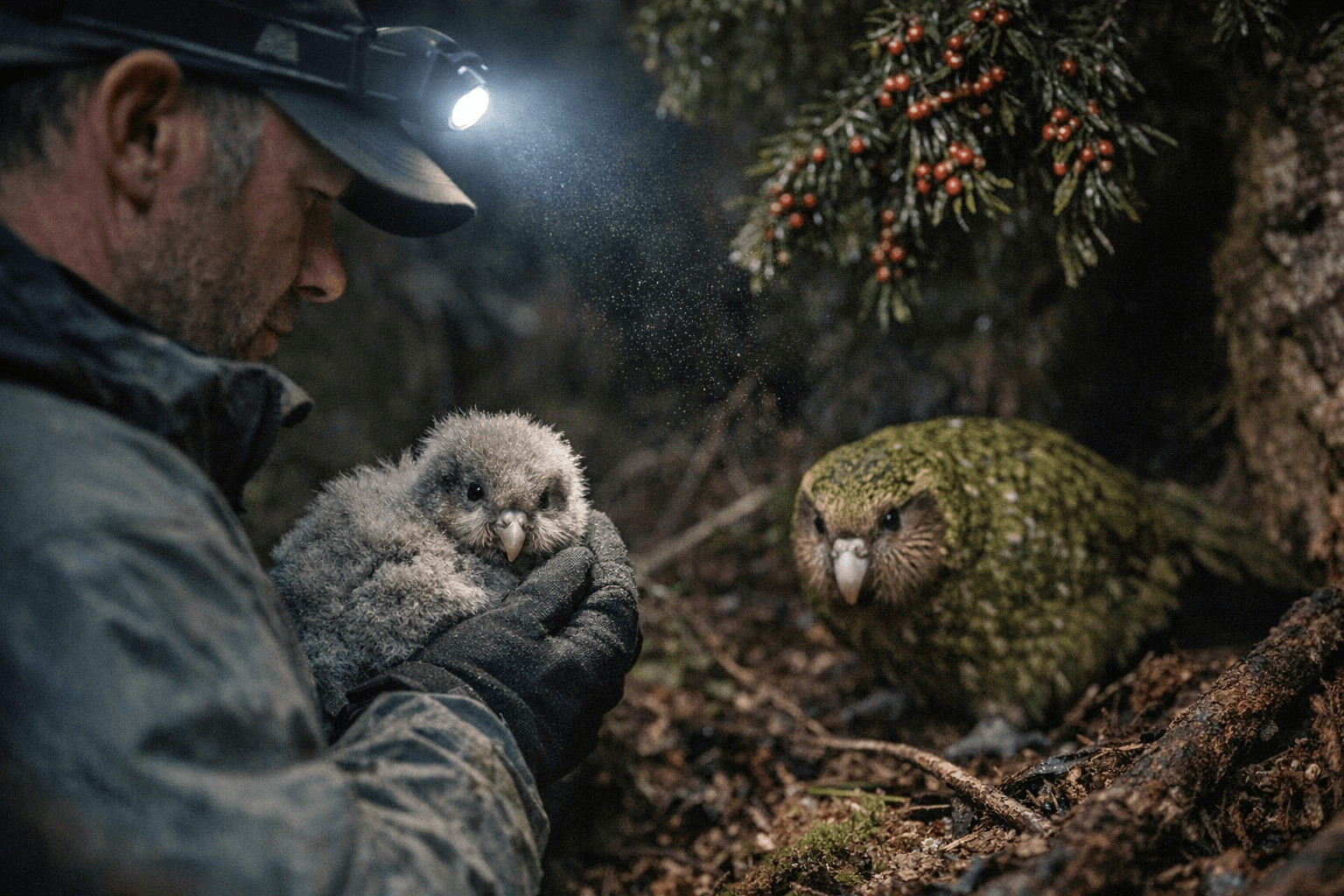
The gains come with practical challenges. As more chicks survive, secure predator-free habitat becomes the limiting factor. Conservation teams now face the task of finding, protecting, or creating additional safe sites if the population expansion continues. For parrot carers and conservation-minded hobbyists, the immediate lessons are clear: seasonal food availability strongly drives breeding in some parrots; lower-intervention rearing can be an explicit conservation goal once populations are stable; and habitat availability will constrain success if numbers recover rapidly.
For the parrot care community, this breeding season is both celebration and call to action. Expect detailed monitoring updates as chicks hatch and fledging rates are recorded, and prepare for renewed conversations about island sanctuaries, translocations, and predator control. The rimu mast has delivered a potential baby boom; whether it translates into a lasting resurgence depends on securing more safe habitat and sustaining the careful, community-backed stewardship that has brought kākāpō back from the brink.
Sources:
Know something we missed? Have a correction or additional information?
Submit a Tip

