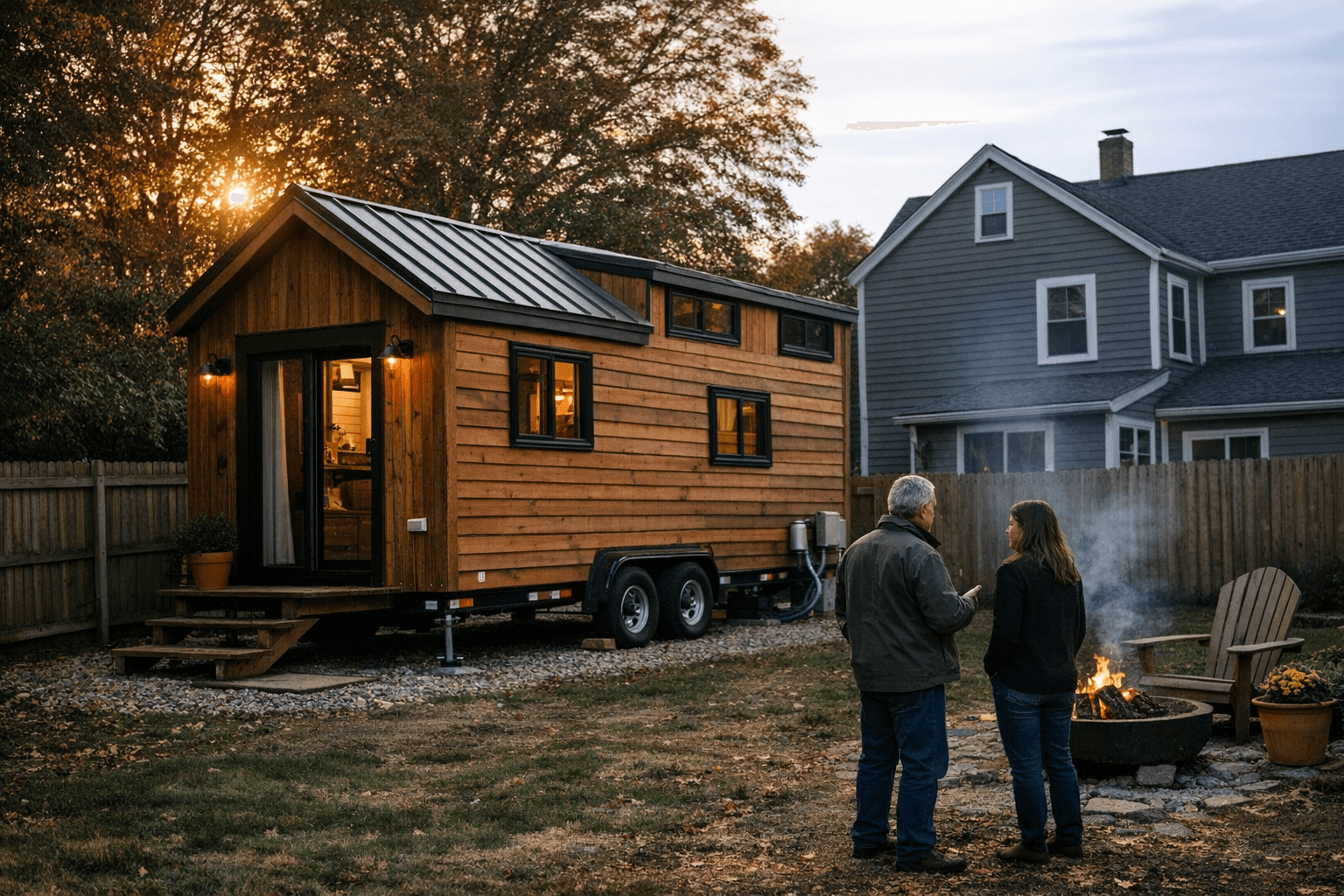
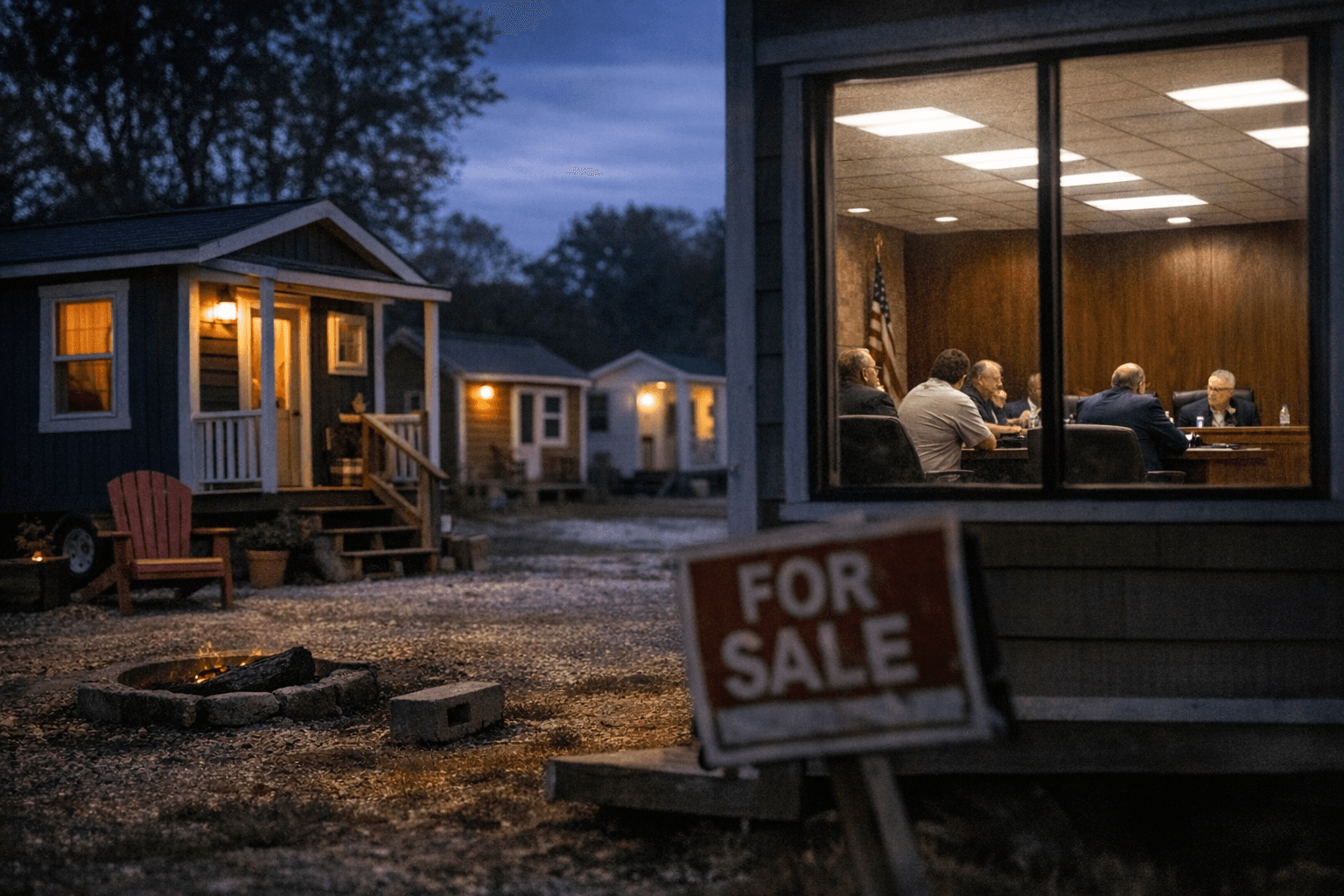
Advocates push to legalize wheel-mounted tiny homes before April ICC hearing
Macy Miller of MiniMotives launched a March 4 call to action to fund travel, experts and representation for an April ICC hearing on RB42-25 / RB42-25-1; failure delays chassis rules until 2030.
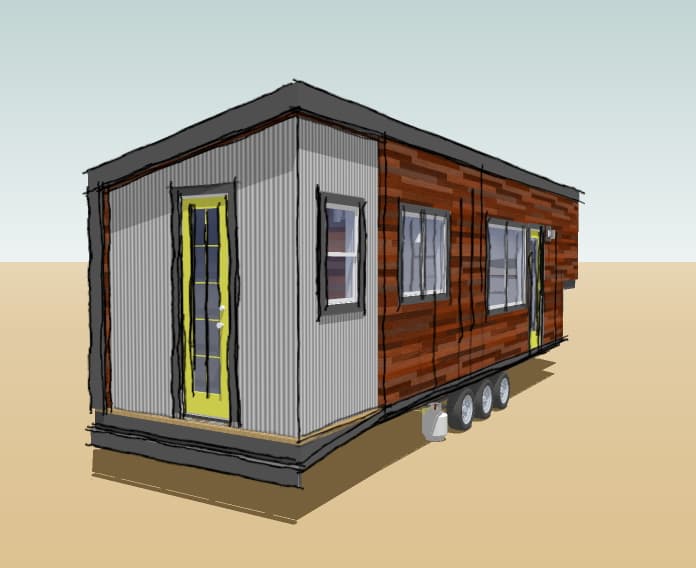
Macy Miller of MiniMotives convened advocates on March 4, 2026, issuing a public call to action to pay travel, technical expert fees and representation for an International Code Council hearing in April 2026 over a code change labeled RB42-25 or RB42-25-1. The proposal would add chassis and trailer provisions to the tiny-house appendix of the International Residential Code so jurisdictions can explicitly zone for movable, wheel-mounted tiny homes as permanent residences and accessory dwelling units; advocates warn that if the proposal fails at the April hearing the next chance to amend the national model code will not come until 2030.
The code change comment under consideration would revisit work left unfinished in 2016 when Appendix Q created a pathway for foundation tiny houses under 400 square feet but omitted chassis language as “too much of a lift.” The current push would fold trailer and chassis provisions into what some community forums now call Appendix BB, clarifying construction standards, taxation and how movable tiny homes differ from recreational vehicles so building officials have a legal instrument to permit them as permanent housing.
Miller’s fundraising asks are specific: support a GoFundMe to fund travel and expert fees, sign a petition to show public demand, and join the MiniMotives email list for updates. Miller has reunited veteran advocates including Martin Hammer and David Eisenberg and is seeking technical representation for the ICC hearing. Technical backstops already in play include a “12/15 tiny-house building standard” that Vera Strzok helped develop with the ICC; Strzok, who testified to a Joint Committee on Housing that she has lived in a movable tiny home for more than a decade, urged lawmakers to adopt the standard and offered a 50-slide briefing with regional statistics. Strzok told legislators, “Movable tiny homes represent an opportunity for Massachusetts to lead in innovative housing solutions.”
Advocates in Massachusetts amplified human impacts at the committee level. Kaylee DeGrama testified about buying land, building and living in a tiny house and said legal access would let her move nearer to work rather than commuting long distances. Jesse Kenson Beninov of Abundant Housing Massachusetts argued movable tiny homes would complement ADUs and help house teachers, childcare workers and other essential workers.

Portland, Oregon is cited repeatedly as a model for how legalization can work. Luz Gomez’s 2017 case and a subsequent directive from Commissioner Eudaly to stop enforcement set off a multi-year process that culminated in a 2021 ordinance legalizing tiny homes on wheels and RVs as permanent housing on residential lots with an existing home. Local examples include Emilie Karas, who in early 2020 replaced a rundown house on a quarter-acre lot with four homes housing nine people, and Teresa Farrell, who added a tiny home on wheels while preserving a large tree. Peggy, a Portland resident whose 311-square-foot tiny home was delayed to December 2021, said, “I was actually lucky that it was passed before my tiny house came. It’s nice to do things legally,” and has lived in her daughter’s backyard for three-and-a-half years.
Manufacturers and Pacific Northwest advocates are pressing state-level legalization in Oregon and Washington and argue THOWs are cheaper and easier to install than traditional ADUs. Kol Peterson, a Portland-based contractor, described tiny homes as “a smaller, cuter version of a typical American house,” and added, “I think underlying all that is just the sheer economics of it and the fact that these are the only attainable housing type for a lot of Americans.” Fellow advocates describe the ADU market as the leading edge and tiny homes on wheels as “the bleeding edge” of infill housing.
With the ICC hearing in April set to consider RB42-25 / RB42-25-1, organizers say the next month is decisive: the call to action stresses urgency, noting, “If this proposal (RB42-25) fails at the upcoming hearing, the next opportunity to change the national model code won’t occur until 2030. We cannot afford to wait another four years for safe, legal housing options.” The campaign’s immediate aims are practical and narrow: raise funds to send experts to the hearing, present the 12/15 technical standard and secure a code amendment that gives jurisdictions the tools to legally permit movable tiny homes.
Know something we missed? Have a correction or additional information?
Submit a Tip