Advocates Sue Apple Over Alleged Use of Congo, Rwanda Minerals
An international human rights group filed suit in Washington alleging Apple sources cobalt, tin, tantalum and tungsten tied to forced and child labour and smuggling routes through Rwanda. The case seeks a court declaration and an order to stop allegedly deceptive marketing, raising fresh questions about corporate transparency in complex global supply chains.
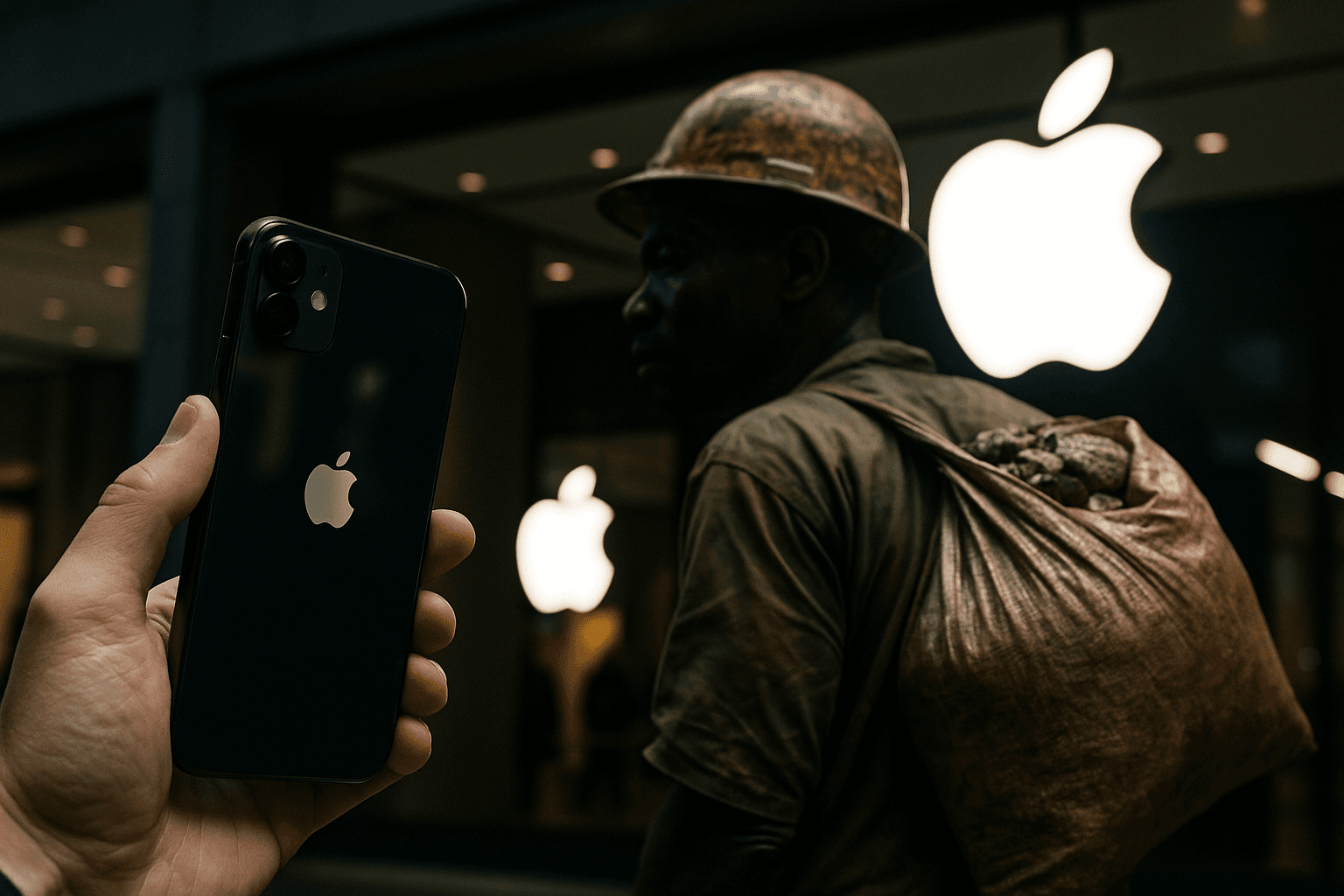
International Rights Advocates filed a lawsuit on November 26, 2025 in the Superior Court of the District of Columbia accusing Apple of using minerals in its supply chain that are connected to human rights abuses and armed groups in the Democratic Republic of Congo and Rwanda. The complaint names cobalt, tin, tantalum and tungsten as materials that the group says flow through smelters and routes tied by investigators to smuggling through Rwanda and into global electronics supply chains.
The suit does not seek monetary damages. Instead, it requests declaratory relief and an injunction aimed at stopping what the plaintiffs describe as deceptive marketing practices. By asking a court to formally declare Apple responsible for misleading statements and to enjoin certain claims, the complaint targets corporate messaging and transparency rather than compensation for alleged harms.
Apple has denied similar allegations in prior related proceedings and has told regulators and stakeholders that it has instructed suppliers to avoid sourcing from the implicated regions. The company has also pointed to an increased use of recycled materials in some components as part of efforts to reduce reliance on newly mined minerals. The complaint filed in Washington directly challenges those assurances, asking the court to evaluate whether Apple’s public representations about its supply chain and sourcing practices meet legal and ethical standards.
The litigation highlights the ongoing difficulty technology companies face in policing sprawling, multilayered supply chains that span small artisanal mines, regional traders, smelters and global manufacturers. Conflict minerals have been at the center of scrutiny for more than a decade as human rights investigators and journalists have documented links between metal extraction and forced labour, child labour and the financing of armed groups. The complaint filed by International Rights Advocates alleges that despite corporate policies and public commitments, those links persist in ways that consumers and investors may not be able to detect.
The case could have consequences beyond Apple if the court allows discovery into supplier contracts, auditing records and internal communications. Such information could illuminate how large electronics firms verify the provenance of minerals, and whether current auditing schemes and certifications are sufficient to prevent materials tied to abuse from entering international markets. An injunction that curtails certain marketing claims could also prompt other companies to revise public statements about the ethics and origin of their materials.
For consumers, the lawsuit raises questions about the trustworthiness of corporate claims that a product is responsibly sourced. For suppliers and small scale miners in central Africa, the litigation may intensify pressure for clearer traceability mechanisms and for investment in legal, safer supply channels. For regulators and policymakers, the case underscores the challenge of aligning trade, development and human rights objectives across borders.
As the case proceeds in the Superior Court of the District of Columbia, observers will watch whether the court permits broad discovery and how it balances claims of corporate speech against the plaintiffs’ allegations of deception. The outcome could shape both legal strategies and corporate practices as technology firms continue to grapple with sourcing vital materials from regions where governance and oversight remain weak.
This article was produced by Prism’s automated news system from verified source data, official records, and press releases, then run through automated quality and moderation checks before publishing. The system is built and supervised by the people who set the standards it runs under. Read our full AI policy.
Did this article answer your question?