Affidavit Details Tiger Woods' Bloodshot Eyes, Pills After DUI Arrest
Deputies described Woods' eyes as "bloodshot and glassy" and found two hydrocodone pills in his pocket after his March 27 Jupiter Island rollover crash.
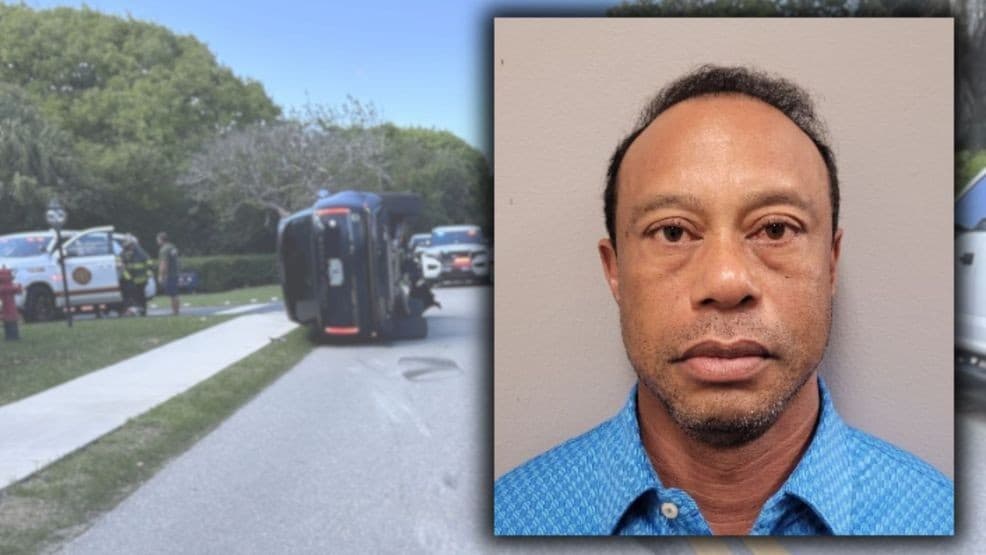
The probable cause affidavit released by the Martin County Sheriff's Office reads like a clinical inventory of impairment indicators: eyes described as "bloodshot and glassy," pupils dilated, movements slow and lethargic, skin "sweating profusely." Two small white pills, later identified as hydrocodone, were recovered from Tiger Woods' left-side pocket.
Four days after the rollover crash on Jupiter Island, Florida, the March 31 release of the affidavit filled in the physical details of what deputies encountered when they responded to the scene. Woods was arrested on suspicion of driving under the influence following the crash near his Jupiter Island home on March 27.
According to the affidavit, Woods told deputies at the scene that he had been looking at his phone and changing the radio at the time of the collision, and that he had taken prescription medication earlier that morning. The hydrocodone tablets, found in his left-side pocket, bore identifying markings that investigators used to confirm the drug's identity. Hydrocodone is a powerful opioid analgesic commonly prescribed for pain management that carries clinical warnings about the impairment of mental and motor functions.
The observations documented in the affidavit form the foundation of the probable cause argument for the DUI arrest. Deputies recorded each physical sign during post-crash contact with Woods: the glassy eyes, the dilated pupils, the slowed movements. Those details, combined with the pills and his own admission about taking medication, will be central to any criminal proceeding.

Whether those details translate into a conviction is a separate question. Legal analysts have noted that the presence of hydrocodone and observable symptoms do not automatically establish impairment under the law. Prosecution is expected to hinge significantly on toxicology results and expert testimony interpreting whether medication levels in Woods' system were sufficient to impair his ability to drive at the time of the crash. Woods' legal team is anticipated to contest aspects of any prosecution on those grounds.
The release of the affidavit intensified scrutiny of an already high-profile case and reignited broader discussion about prescription opioid use and driver safety. The criminal process, now formally underway, will move toward laboratory analysis and potential expert testimony to determine whether the medication found on Woods impaired his driving when the crash occurred on March 27.
This article was produced by Prism’s automated news system from verified source data, official records, and press releases, then run through automated quality and moderation checks before publishing. The system is built and supervised by the people who set the standards it runs under. Read our full AI policy.
Did this article answer your question?

