Affluent Boca Raton Faces Housing Strain as Aging Caregivers Seek Help
Boca Raton’s affluence masks a tighter reality: high housing costs, an aging population, and unpaid caregiving are forcing more families to double up.

Affluence with a housing squeeze
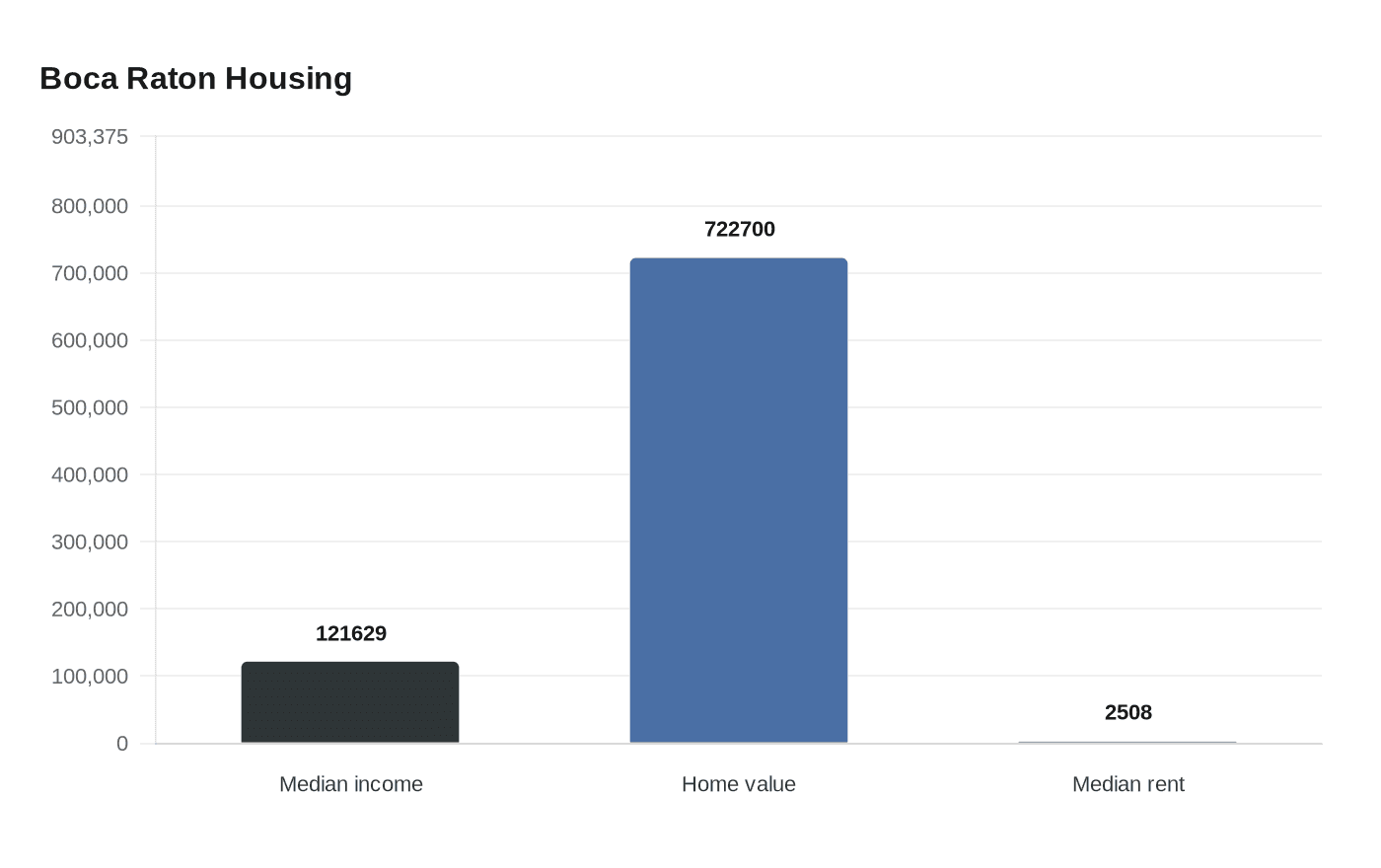
Boca Raton looks prosperous on paper, with a 2024 median household income of $121,629 and a population of 102,238. But the city’s housing numbers tell a different story: the median value of owner-occupied homes was $722,700, and median gross rent reached $2,508. In a place where even middle-class stability is costly, one medical bill, rent increase, or lost paycheck can push older adults and working families toward shared housing.
That is the hidden strain inside affluent ZIP codes. Boca Raton’s averages can suggest comfort, yet they can also conceal seniors living on fixed incomes and households stretched by caregiving responsibilities. The gap between income and housing costs is where the pressure builds, especially when retirement savings, healthcare expenses, and daily living costs all compete for the same shrinking margin.
An older city, and an older county
Boca Raton is also an aging city. The U.S. Census Bureau’s latest QuickFacts profile shows that 24.6% of residents are age 65 and over, a share that makes senior needs central rather than peripheral. Palm Beach County shows the same pattern at a broader scale, with 25.4% of residents age 65 and over.
That matters because aging changes the housing conversation. Older residents are more likely to depend on fixed incomes, and they are more likely to need help with transportation, health care, and daily support that can make independent living harder to sustain. In that setting, the question is not only how many homes exist, but whether those homes are affordable, accessible, and close enough to care.
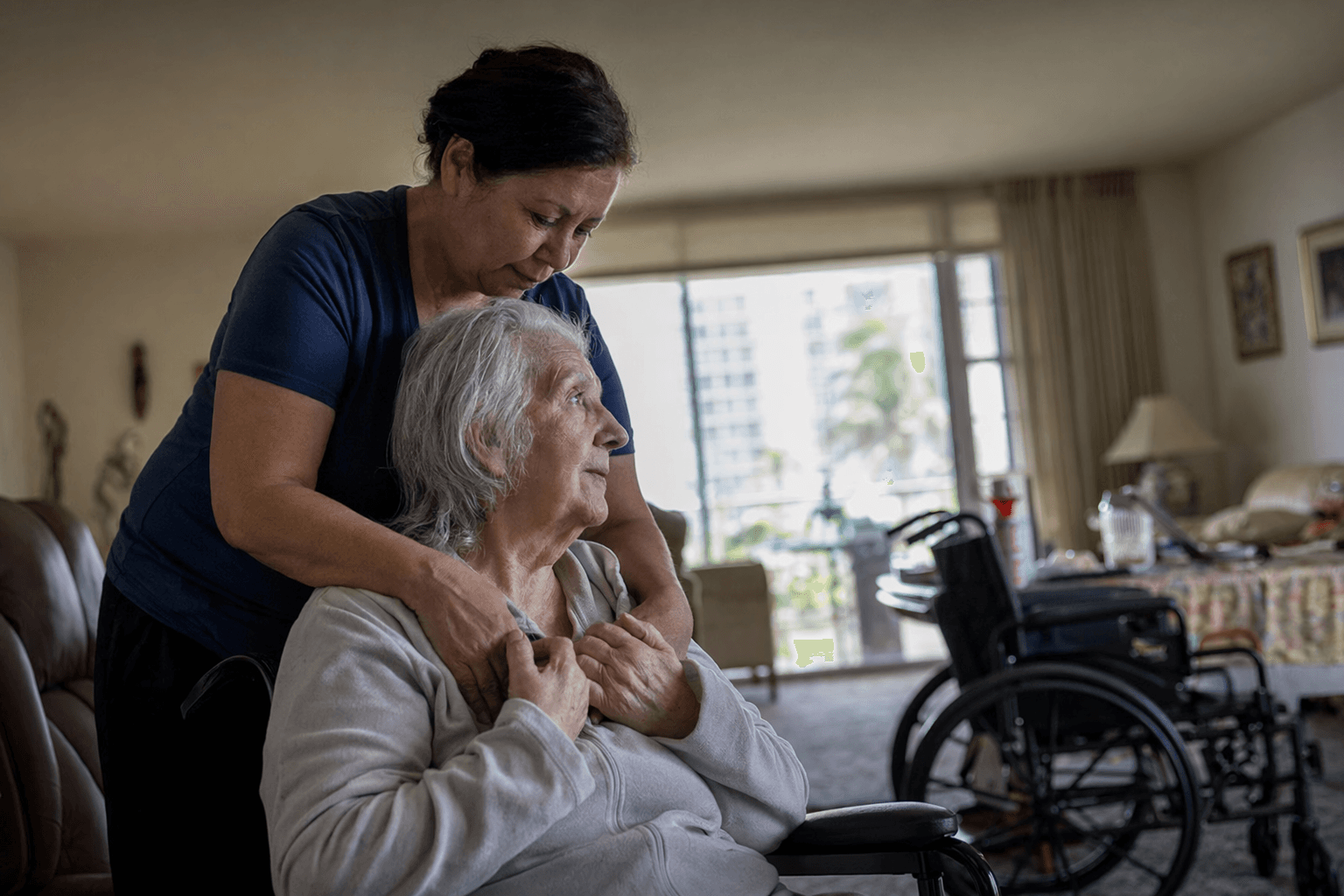
Boca Raton’s demographics also explain why a single family story resonates beyond one household. A daughter opening her home to her mother after years of struggling to make ends meet is not just a private arrangement. It is a local example of a regional problem, where an older population is trying to remain housed in one of Florida’s wealthiest cities while the cost of shelter keeps climbing.
Caregiving is the hidden occupancy driver
Florida’s caregiving burden is large and largely invisible. AARP’s 2025 state report says 24% of adults in Florida, about 4.45 million people, are family caregivers, providing care that is mostly unpaid and unsupported. That means caregiving is not a niche experience in the state. It is a major part of how households organize daily life.
Pew Research Center adds another crucial layer. In multigenerational households, caregiving is a major reason adults live together, and a quarter say caregiving is actually occurring in their home. Pew also found that lower- and middle-income adults in multigenerational households are more likely than upper-income adults to say caregiving is happening under the same roof. That pattern helps explain why shared housing is often less a lifestyle choice than a survival strategy.
The Boca Raton story fits that broader pattern. A family that brings an older parent into the home may be responding to both need and cost at once, especially when housing and health-related expenses leave no room for separate households. The result is a quiet form of economic adaptation that often stays hidden inside upscale communities, even as it shapes who can afford to remain there.
What help exists, and what it can do
Boca Raton does have an official housing response system. The Boca Raton Housing Authority says it was established in 1978 and its mission is to provide affordable housing opportunities to low- and moderate-income families, including elderly residents and people with disabilities. It also administers the Section 8 Housing Choice Voucher program for the city of Boca Raton and Palm Beach County, using federal funding to help eligible households bridge the rent gap.
That infrastructure matters because the city’s market prices are so far above what many seniors and working families can absorb. A voucher or public housing placement can be the difference between staying near family support and being priced out of the community entirely. For older adults, that difference can also shape access to medical care, reliable transportation, and the informal help that makes aging in place possible.
Still, Boca Raton’s housing tools are operating inside a broader affordability crisis. When median rents are above $2,500 and the typical owner-occupied home is valued at more than $722,000, the pressure does not disappear just because the city is wealthy. It shifts into doubled-up living, delayed retirement, and families quietly absorbing the costs of aging that markets do not price well.
The larger lesson is that prosperity averages can obscure vulnerability. Boca Raton’s wealth is real, but so is the number of residents who are one setback away from needing a second bedroom, a spare couch, or a family member’s help. In cities like this, housing policy and caregiving policy are inseparable, because the ability to stay housed increasingly depends on both.
This article was produced by Prism’s automated news system from verified source data, official records, and press releases, then run through automated quality and moderation checks before publishing. The system is built and supervised by the people who set the standards it runs under. Read our full AI policy.
Did this article answer your question?