Texas flood survivors recount rooftop escape as death toll rises
A retired nurse, her son and a family friend survived by climbing onto a roof as floodwater surged 26 feet in 45 minutes through the Hill Country.
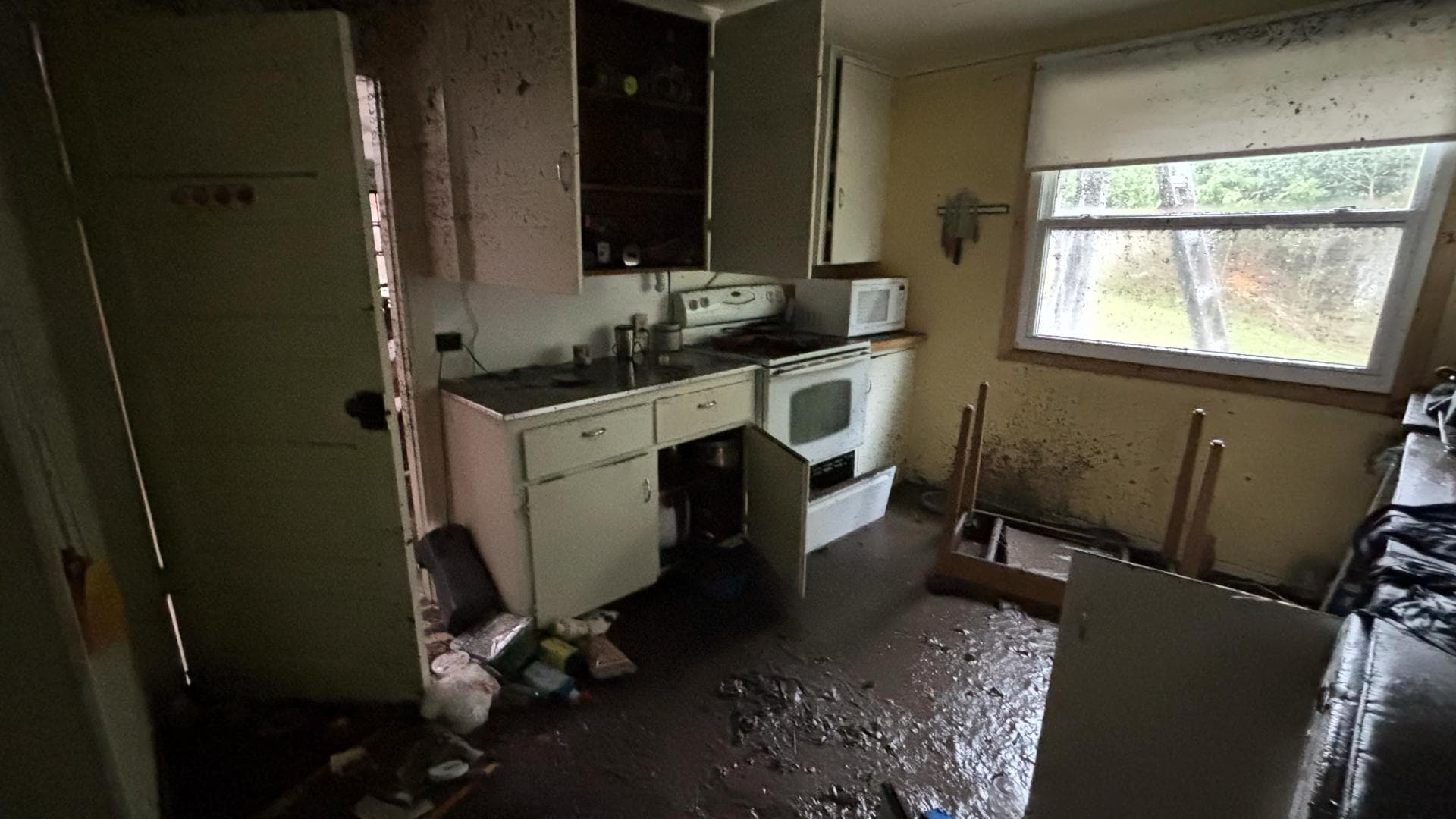
A retired nurse, her son and a family friend scrambled onto the roof of their home as water tore through the Texas Hill Country, turning a private escape into a stark image of public failure. Their rooftop video captured the moment a fast-rising flash flood left almost no time to react, while the death toll climbed past 100 and families across the region began searching for the missing.
The family’s account made clear how abruptly the disaster arrived. They heard water entering the house, realized there was no safe route out and climbed higher as the flood worsened around them. In roughly 45 minutes, the river rose about 26 feet, a surge powerful enough to smash homes, sweep away vehicles and overwhelm anything people could do at ground level. The speed of the water mattered as much as its force: once the flood hit, survival depended on seconds, not hours.
That is what makes the rooftop escape so revealing. The video showed not just fear, but the narrow margin residents had once warnings proved too short or the water moved too quickly for orderly evacuation. In a region where flash flooding is a known danger, the scale of this event still outpaced expectations, leaving emergency systems under immediate scrutiny. Officials now face hard questions about whether warning messages, evacuation planning and local preparedness matched a threat that unfolded with extraordinary speed.
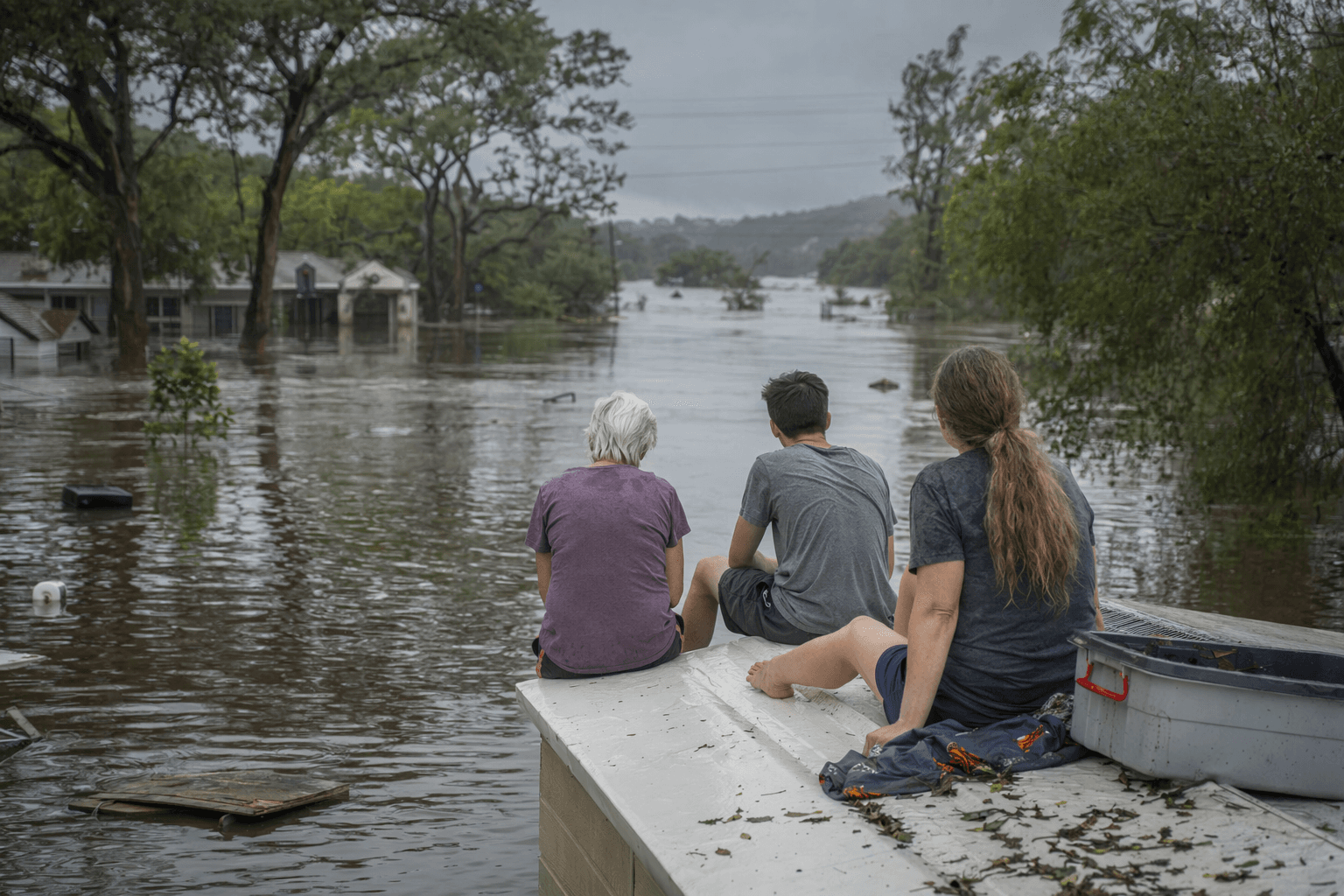
The human toll extended far beyond one family. More than 100 people died in the flooding, including many summer campers, deepening the tragedy in a part of Texas that regularly fills with children, visitors and vacationers during warm-weather weekends. The Hill Country’s terrain and river systems make it especially vulnerable to sudden floodwaters, but the destructive force of this event exposed how dangerous those conditions can become when water rises faster than communities can respond.
As recovery begins, the rooftop rescue stands as a warning in itself. It showed a family improvising survival in real time, and it exposed how quickly a familiar river corridor can become lethal. The questions now are institutional as much as they are personal: how to alert people sooner, how to move them faster and how to better protect families when the next flood comes.
This article was produced by Prism’s automated news system from verified source data, official records, and press releases, then run through automated quality and moderation checks before publishing. The system is built and supervised by the people who set the standards it runs under. Read our full AI policy.
Did this article answer your question?

