Pentagon releases 162 declassified UAP files, fueling UFO scrutiny
The Pentagon opened a new trove of 162 declassified UAP files, but the files add to the archive faster than they settle the question of what the government actually knows.
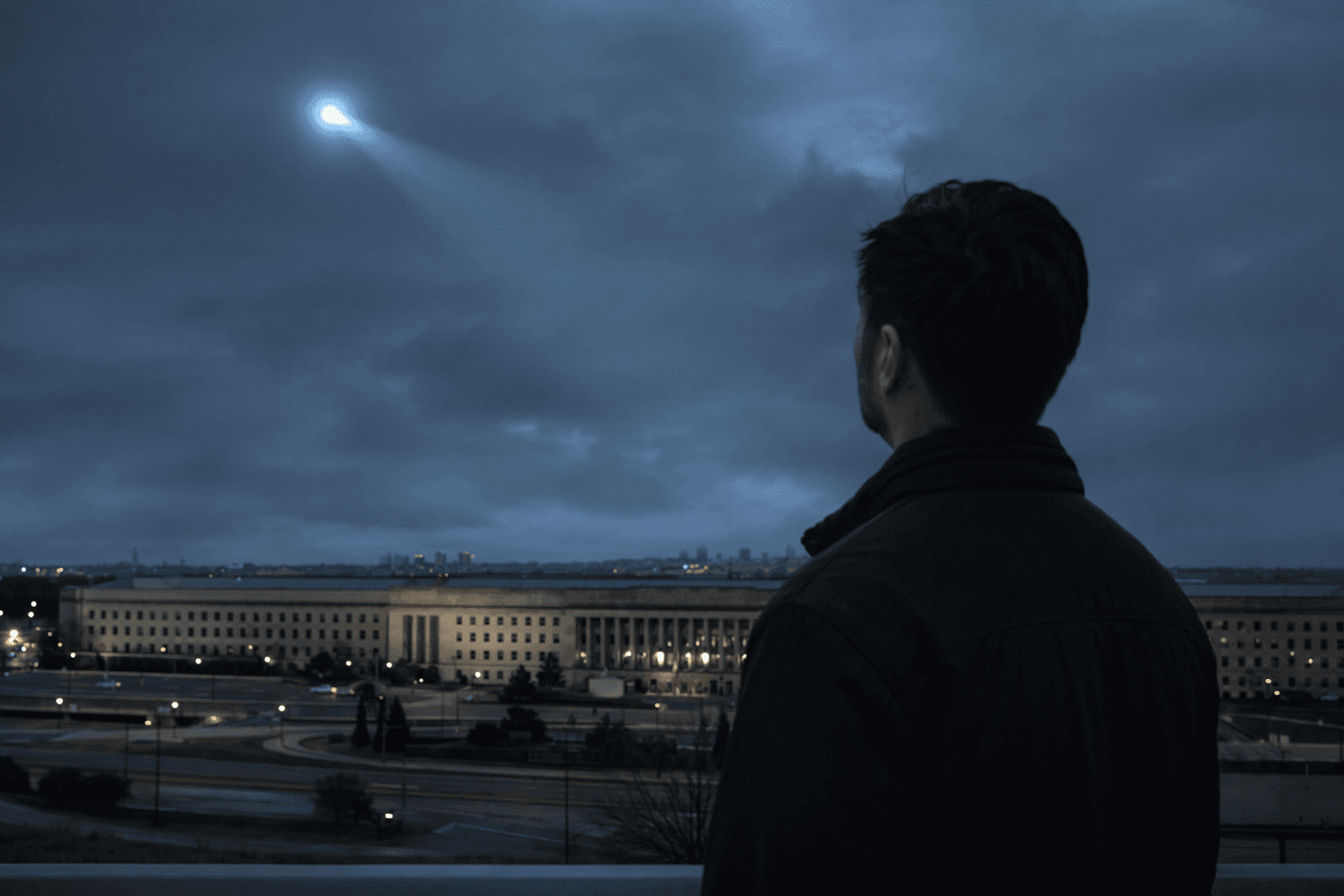
The Pentagon released 162 declassified UFO and UAP files on May 8, opening a new public website that immediately sent researchers, skeptics and believers digging through images, videos and records pulled from multiple federal agencies. Defense officials cast the move as a rolling release and told the public to review the material and decide what it means, a framing that underscored the central tension in the disclosure fight: access has widened, but proof remains elusive.
The new batch arrives after years of pressure from Congress and the UFO community and builds on the work of the All-domain Anomaly Resolution Office, the Pentagon’s focal point for UAP issues since Congress created it in 2022. That office has become the government’s main clearinghouse for unexplained sightings, flight-safety concerns and standardized reporting, but it has also repeatedly drawn a hard line on evidence. In its fiscal year 2024 consolidated annual report, AARO said it received 757 UAP reports and found no evidence of extraterrestrial technology.
AARO’s February 2024 historical record report widened the lens further, reviewing U.S. government investigations back to 1945 and drawing on about 30 interviews and archival research. That history matters now because the latest release is likely to be measured against the same unresolved question that has shadowed UAP politics for decades: whether the government has been withholding something extraordinary, or simply cataloging ordinary objects, sensor artifacts and misidentifications in a way that now looks like secrecy.

Reaction was immediate. Supporters of disclosure framed the release as overdue transparency, while others questioned whether the files contained anything materially new. The Pentagon’s new website, described as featuring a rotating carousel of black-and-white images of unidentified aerial phenomena, gave the release a public-facing gloss, but it did not settle the deeper dispute over what counts as evidence.
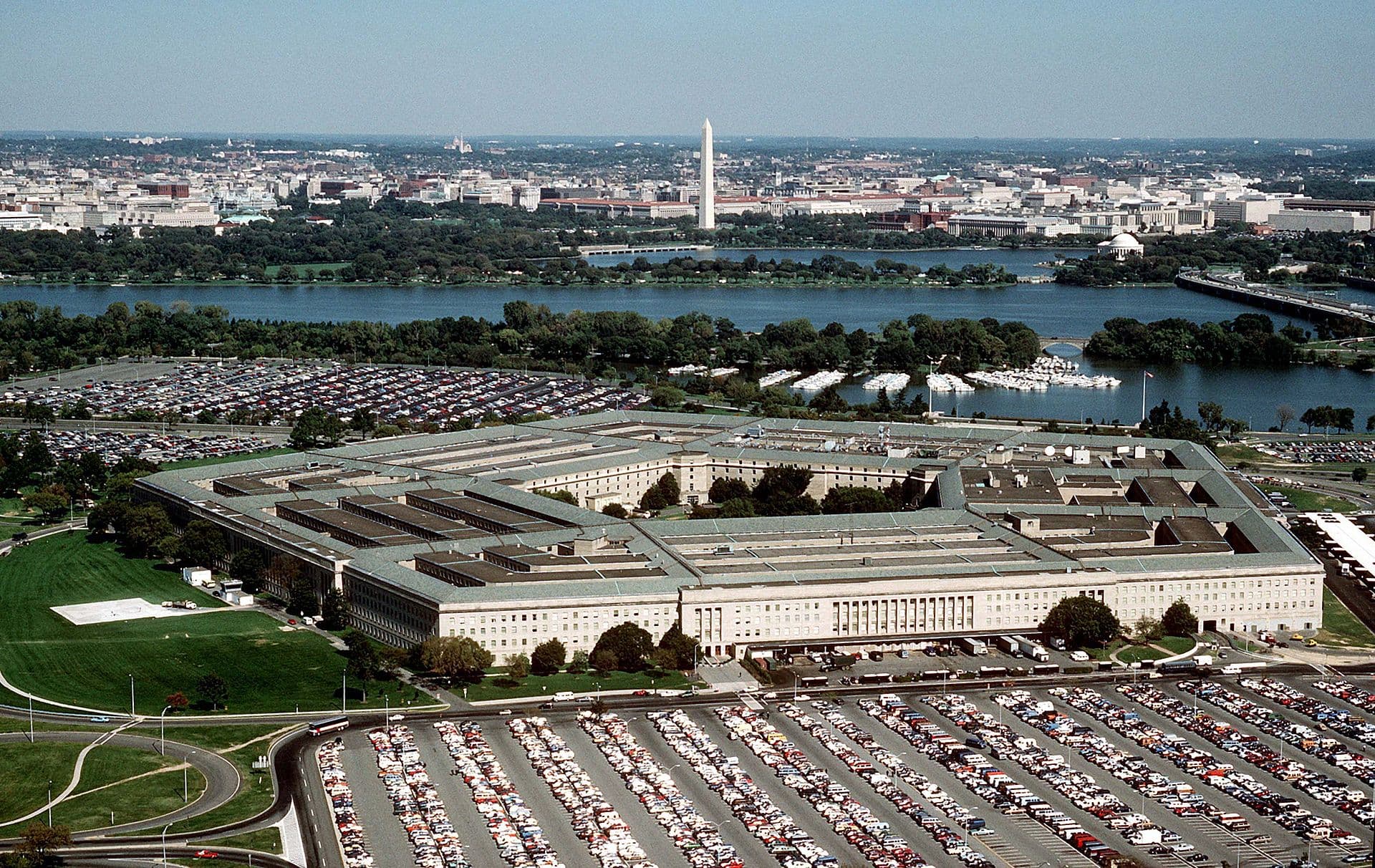
President Donald Trump amplified the release on Truth Social, presenting it as a rebuke to the secrecy of earlier administrations. The Pentagon said more files would follow on a rolling basis, making clear that this was not a final accounting. For the UFO community, that means the archive keeps growing. For the government, the evidentiary threshold has not changed: disclosure is not the same as proof.
Know something we missed? Have a correction or additional information?
Submit a Tip