Afghan US Allies Face Grim Choice: Third Country or Taliban-Ruled Afghanistan
Over 1,100 Afghan allies, including family members of U.S. troops, face a March 31 deadline: accept $4,500 to return to Taliban rule or relocate to an unnamed country.
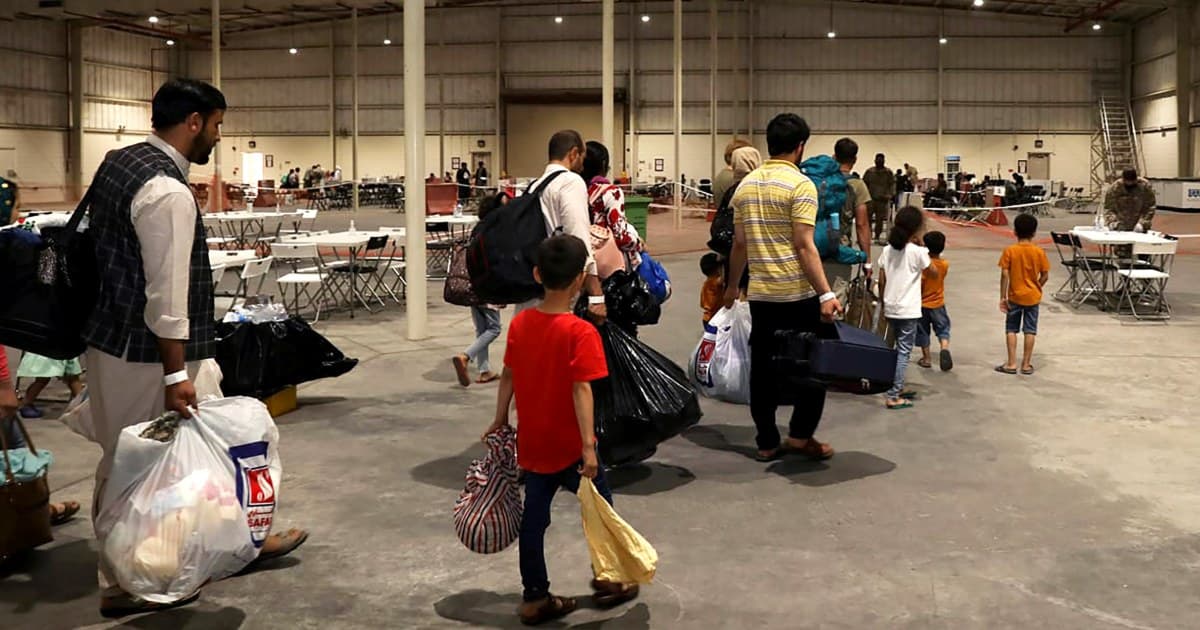
Inside cramped shipping containers on a former U.S. Army base in the Qatari desert, more than 1,100 Afghan men, women, and children are counting down to a deadline that could determine whether they live or die. The State Department has confirmed that residents of Camp As Sayliyah in Doha must be relocated by March 31, leaving the people who fought alongside American forces in a 20-year war with two days to decide between an unspecified third country and Taliban-ruled Afghanistan.
The Trump administration, which halted all refugee and asylum processing in January 2025, has offered cash payments to incentivize what officials call voluntary repatriation. The terms, circulated in letters to camp residents, include $4,500 for a primary applicant and $1,200 for each additional family member. Shawn VanDiver of the nonprofit advocacy group #AfghanEvac provided those figures. Assistant Secretary of State S. Paul Kapur, testifying before lawmakers, said approximately 150 Afghans had already accepted the payments. "Some have gone of their own volition, but we are not forcing anybody," Kapur said, though he acknowledged he did not know what had become of those who returned.
Among those still at Camp As Sayliyah are women who served as special operators for the U.S. military, civilian contractors, and more than 150 immediate family members of American servicemembers, according to #AfghanEvac. Roughly 700 of the more than 1,100 residents have already cleared full vetting and received approval for resettlement, yet remain stranded because the pipeline into the United States has effectively closed.
The conditions inside the camp have grown considerably worse since late February, when the U.S. and Israel launched strikes against Iran. Camp As Sayliyah, sitting in a desert suburb of Doha, has been inside the trajectory of Iranian retaliatory missiles ever since. Sirens intermittently blare throughout the day, and residents, unable to leave, shelter in the same cramped containers while shrapnel falls overhead.
The State Department has not publicly identified a single third country that has agreed to accept the camp's population, yet maintains that third-country resettlement represents "a positive resolution." The department also insists the camp "is a legacy of the Biden Administration's attempt to move as many Afghans to America as possible, in many cases, without proper vetting," and argues it is "not appropriate or humane to keep this group of individuals on the platform indefinitely."
Congressional Democrats have pushed back sharply. Representative Gregory Meeks, ranking member of the House Foreign Affairs Committee, called the closure "the latest reckless step by the Trump administration to dismantle every remaining pathway for these allies to safely relocate in the United States." Representative Sydney Kamlager-Dove, the ranking Democrat on the House Foreign Affairs subcommittee that held a hearing on the matter, described the cash repatriation offer as "a betrayal of our Afghan allies." Senator Jeanne Shaheen, ranking member of the Senate Foreign Relations Committee, said the administration had made the decision to close Camp As Sayliyah without any plan to safely resettle the hundreds of at-risk Afghans remaining there.
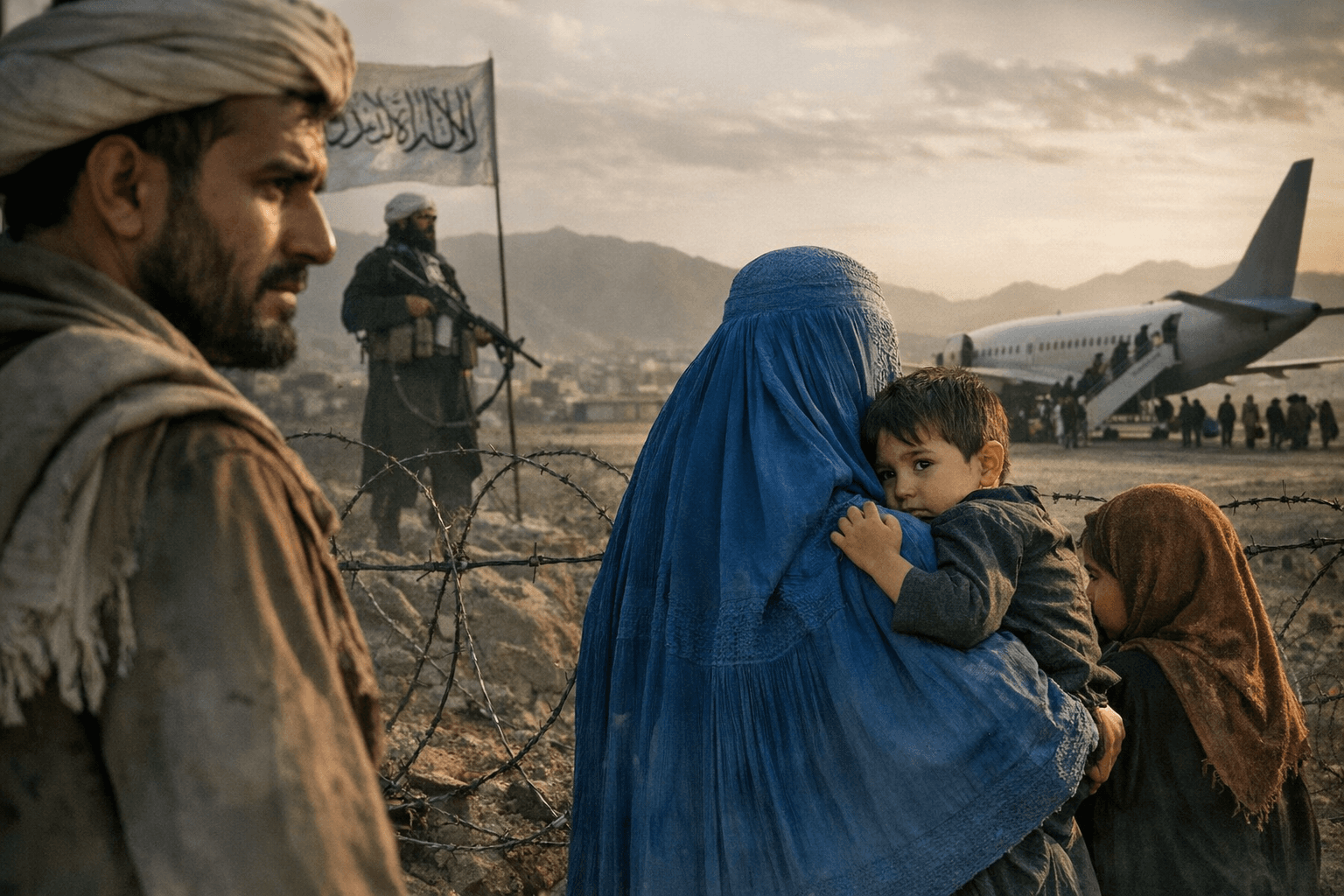
VanDiver framed the choice bluntly. Settling in a third country without legal status or a durable pathway, he said, was "untenable for a lot of reasons, but mostly because it's the wrong thing to do," given that a third country could itself send people back to Afghanistan at any time.
One advocate estimated in 2025 that the broader collapse of U.S. relocation efforts could ultimately leave 200,000 Afghans without any path to safety, including 150,000 still inside Afghanistan and 50,000 waiting in third countries. For the 1,100 at Camp As Sayliyah, that calculus arrives in 48 hours.
This article was produced by Prism’s automated news system from verified source data, official records, and press releases, then run through automated quality and moderation checks before publishing. The system is built and supervised by the people who set the standards it runs under. Read our full AI policy.
Did this article answer your question?