Africa backs Mexico after South Africa loss, amid xenophobia backlash
Mexico’s World Cup win over South Africa turned into a pan-African rebuke, exposing anger over xenophobia and the strain it has put on regional ties.
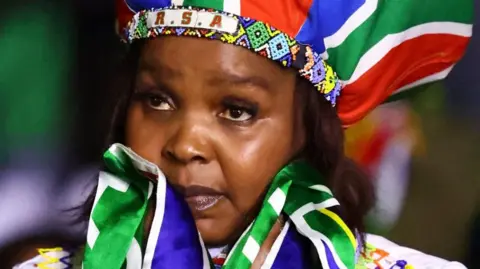
South Africa’s 2-0 loss to Mexico in Mexico City did more than sour an opening World Cup night. Across social media, fans from several African countries backed Mexico and mocked South Africa with sombrero and Mexican flag memes, turning a football result into a public airing of anger over xenophobic violence.
The online taunting stood out because the usual display of African unity in the early stages of a World Cup was largely absent. Instead of rallying behind South Africa after its June 11 defeat in the opening match of the 2026 FIFA World Cup, many users framed the result as a response to repeated reports of anti-foreigner attacks inside the country.
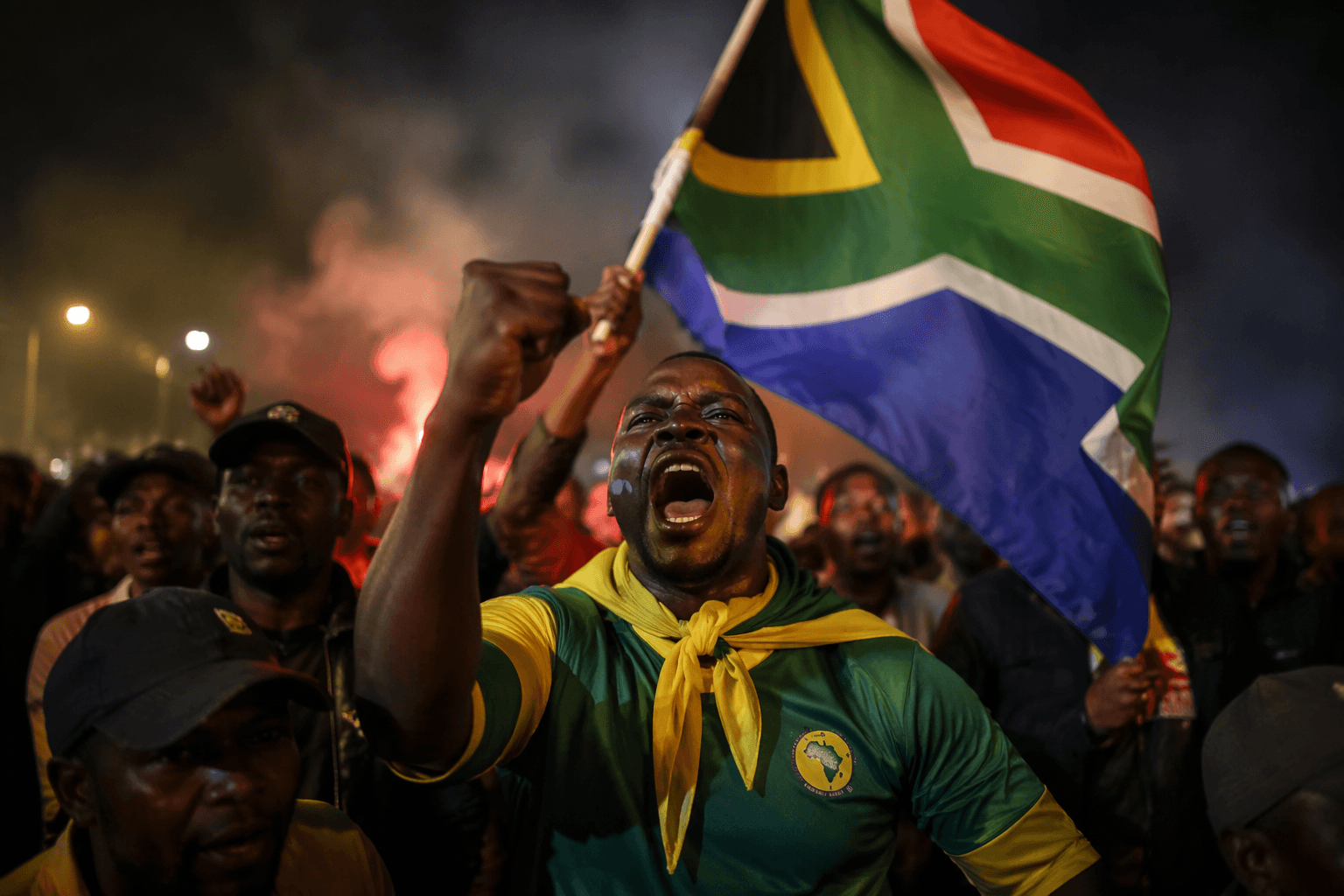
That backlash follows a fresh wave of unrest in South Africa in April and May, with protests and violence reported in Johannesburg, Pretoria and Durban. Human Rights Watch said vigilantes targeted African and Asian foreign nationals in recent weeks and that police and other authorities showed little or insufficient response, deepening criticism that the state had failed to contain the violence.
Cyril Ramaphosa, South Africa’s president, said on June 7 that the government would crack down on groups behind xenophobic violence as anti-immigrant protests damaged the country’s reputation. The promise came as the issue again became a continental flashpoint, with South Africa’s anti-immigrant politics drawing sharper scrutiny from neighbors that have long accused Pretoria of tolerating abuse against foreigners.
Nigeria has moved from criticism to possible retaliation. The Nigerian Foreign Ministry said it was considering retaliatory measures over attacks on Nigerians in South Africa, and at least 1,094 Nigerians had registered interest in voluntary return by June 5, up from 130 previously. That jump reflects how quickly fear has spread among migrants and how deeply the violence has unsettled relations between South Africa and Africa’s most populous country.
The episode has now spilled beyond football and into diplomacy, reinforcing a broader view across the continent that xenophobia in South Africa is no longer an isolated security problem but a persistent political liability. What looked like online banter after a World Cup loss instead exposed a larger fracture in regional solidarity, one that has only widened as the violence has continued.
This article was produced by Prism’s automated news system from verified source data, official records, and press releases, then run through automated quality and moderation checks before publishing. The system is built and supervised by the people who set the standards it runs under. Read our full AI policy.
Know something we missed? Have a correction or additional information?
Submit a Tip

