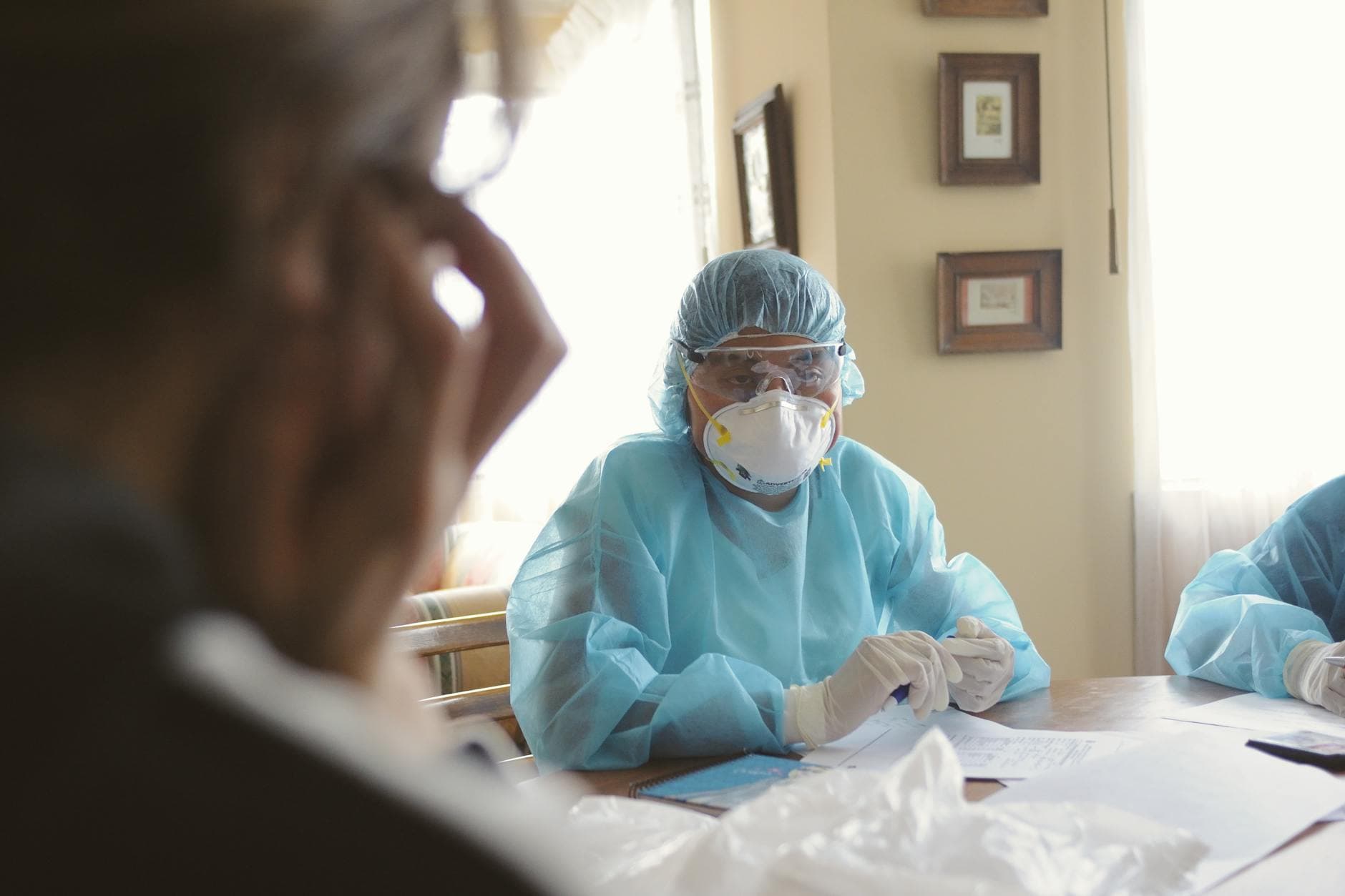
Africa CDC confirms deadly Ebola outbreak in Congo's Ituri province
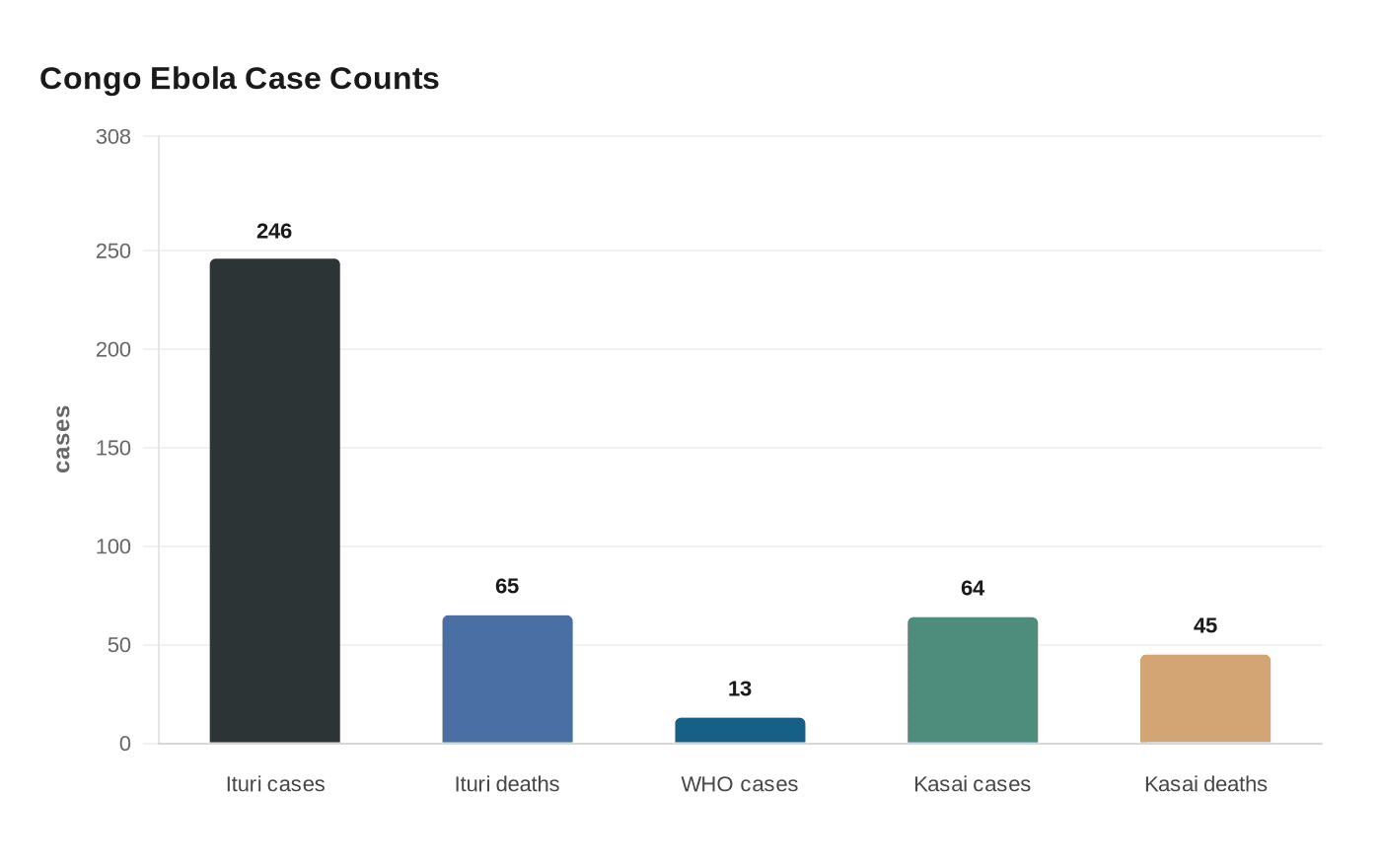
A deadly Ebola outbreak has taken hold in remote Ituri province, with 246 suspected cases and 65 deaths already reported in eastern Congo.
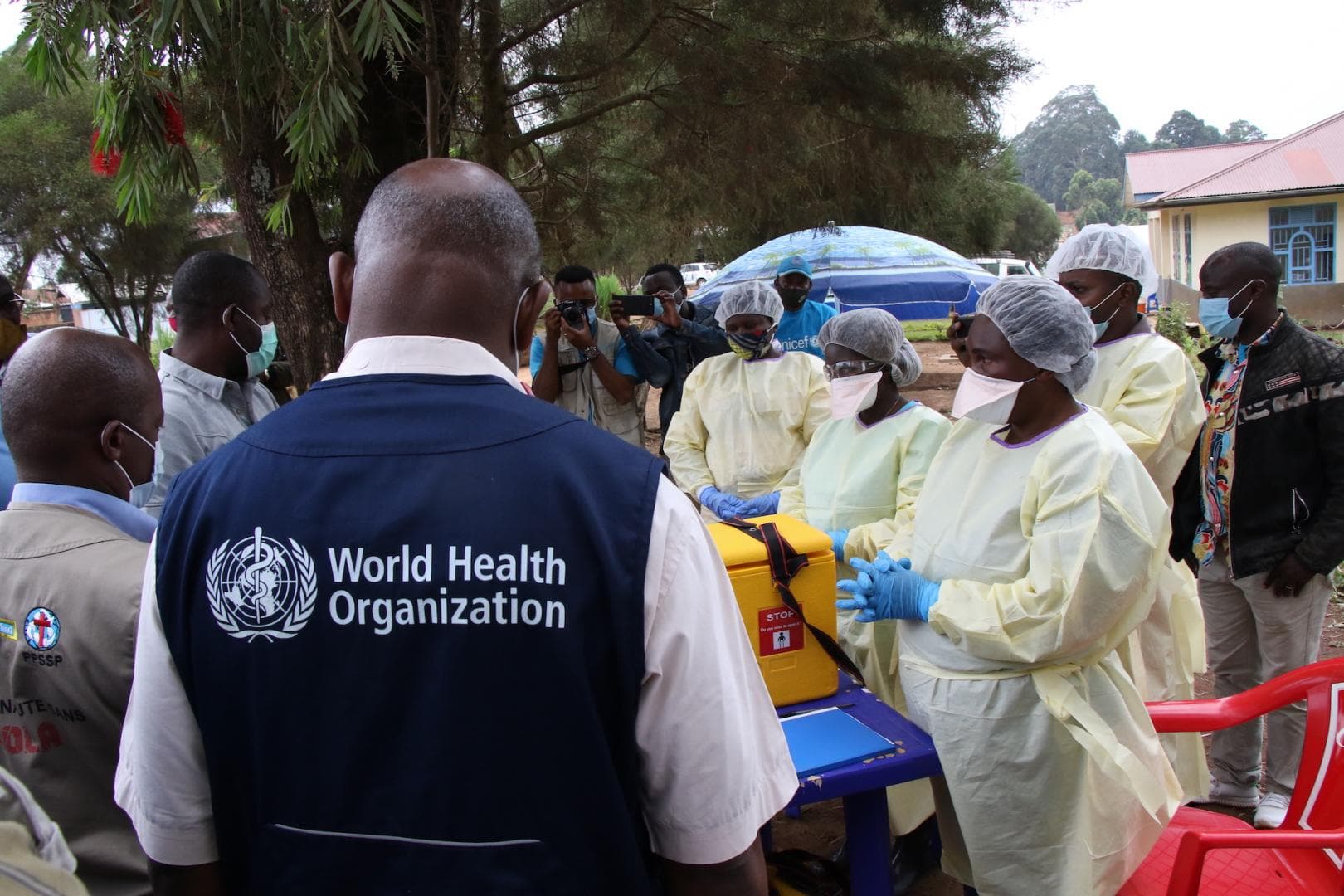
A deadly Ebola outbreak has taken hold in remote corners of northeastern Congo, where weak health infrastructure and difficult terrain can give the virus an advantage before responders can move. Africa CDC confirmed 246 suspected cases and 65 deaths in Ituri Province on May 15, with most illnesses and fatalities reported in the Mongwalu and Rwampara health zones.
The World Health Organization said it first received a signal of suspected cases on May 5 and sent a team into Ituri to help investigate. Laboratory testing at L'Institut National de Recherche Biomédicale in Kinshasa later confirmed Ebola, and WHO said 13 cases had been confirmed at that point. WHO Director-General Tedros Adhanom Ghebreyesus said the agency had already deployed experts, supplies and protective equipment to Bunia, the provincial capital, and released US$500,000 from its Contingency Fund for Emergencies to support the response.
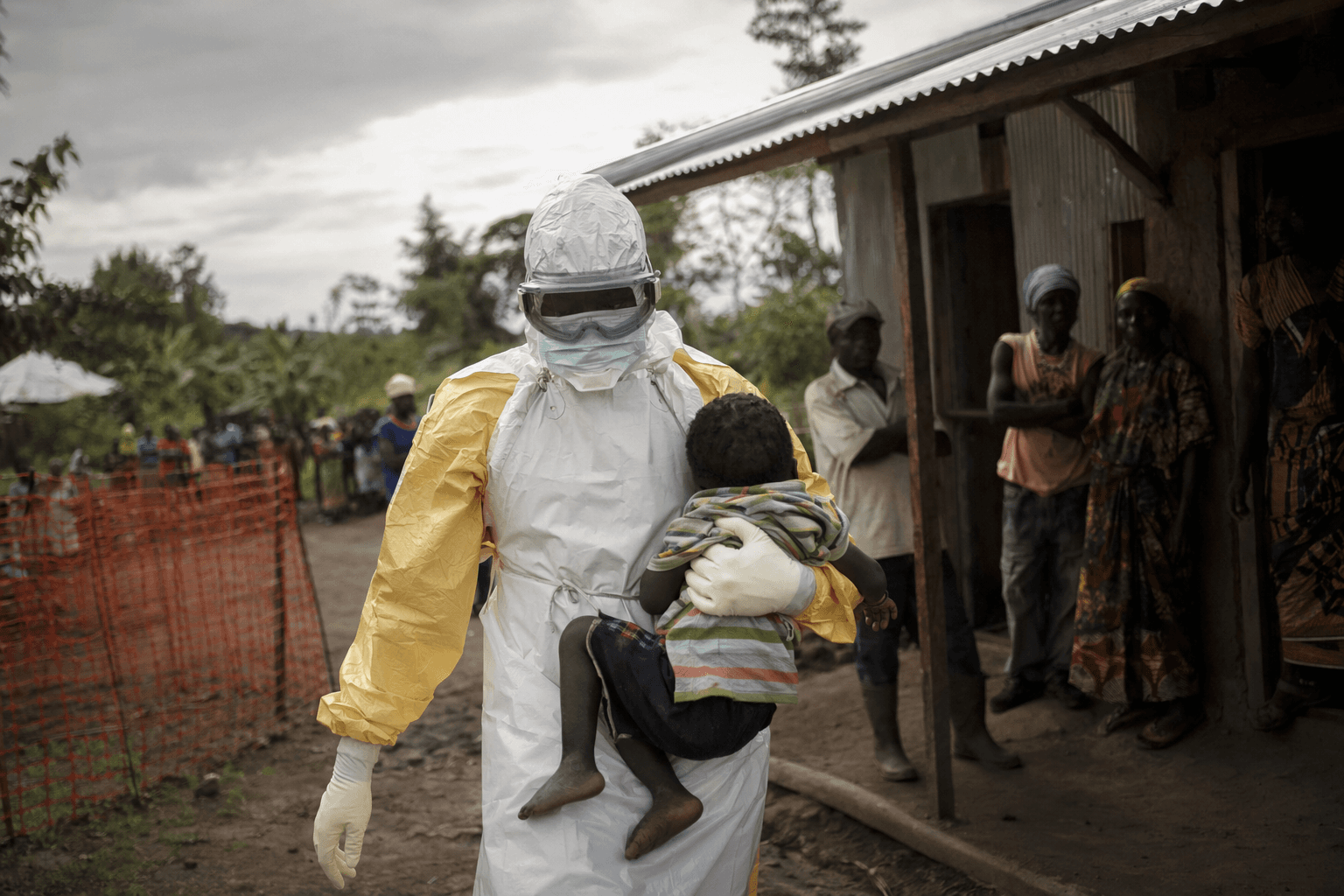
Africa CDC said it was convening an urgent meeting with Congo, Uganda, South Sudan and global partners to tighten cross-border surveillance, preparedness and response. The concern is not only the outbreak in Ituri itself, but the way people, goods and health workers move across a porous frontier where a delayed diagnosis can turn a local cluster into a regional emergency.
Uganda confirmed a separate Ebola outbreak on May 15, saying it involved an imported infection from Congo in a 59-year-old Congolese man who died on May 14 after developing hemorrhagic symptoms. Reuters reported that Uganda identified the strain as Bundibugyo virus disease, underscoring how quickly infection can travel when a sick patient reaches care late or crosses a border before the disease is recognized.
The outbreak is the 17th recorded Ebola outbreak in the Democratic Republic of the Congo since the virus was first identified there in 1976, according to WHO. The country’s previous outbreak, in Kasai Province, was declared over on December 1, 2025 after 64 cases and 45 deaths. CDC said that response had to work in a remote area with limited transportation networks, while more than 42,000 people were vaccinated and enhanced surveillance continued for 90 days after the outbreak ended.
The latest flare-up again shows the same central challenge: in eastern Congo, geography can slow an outbreak response even as it complicates containment. WHO said the country continues to face repeated disease outbreaks and chronic underinvestment, and that 2026 humanitarian health needs are expected to affect 7.5 million people, especially in conflict-affected eastern provinces. In Ituri, every day of delay matters, because in Ebola response, distance is never just a map problem.
Know something we missed? Have a correction or additional information?
Submit a Tip