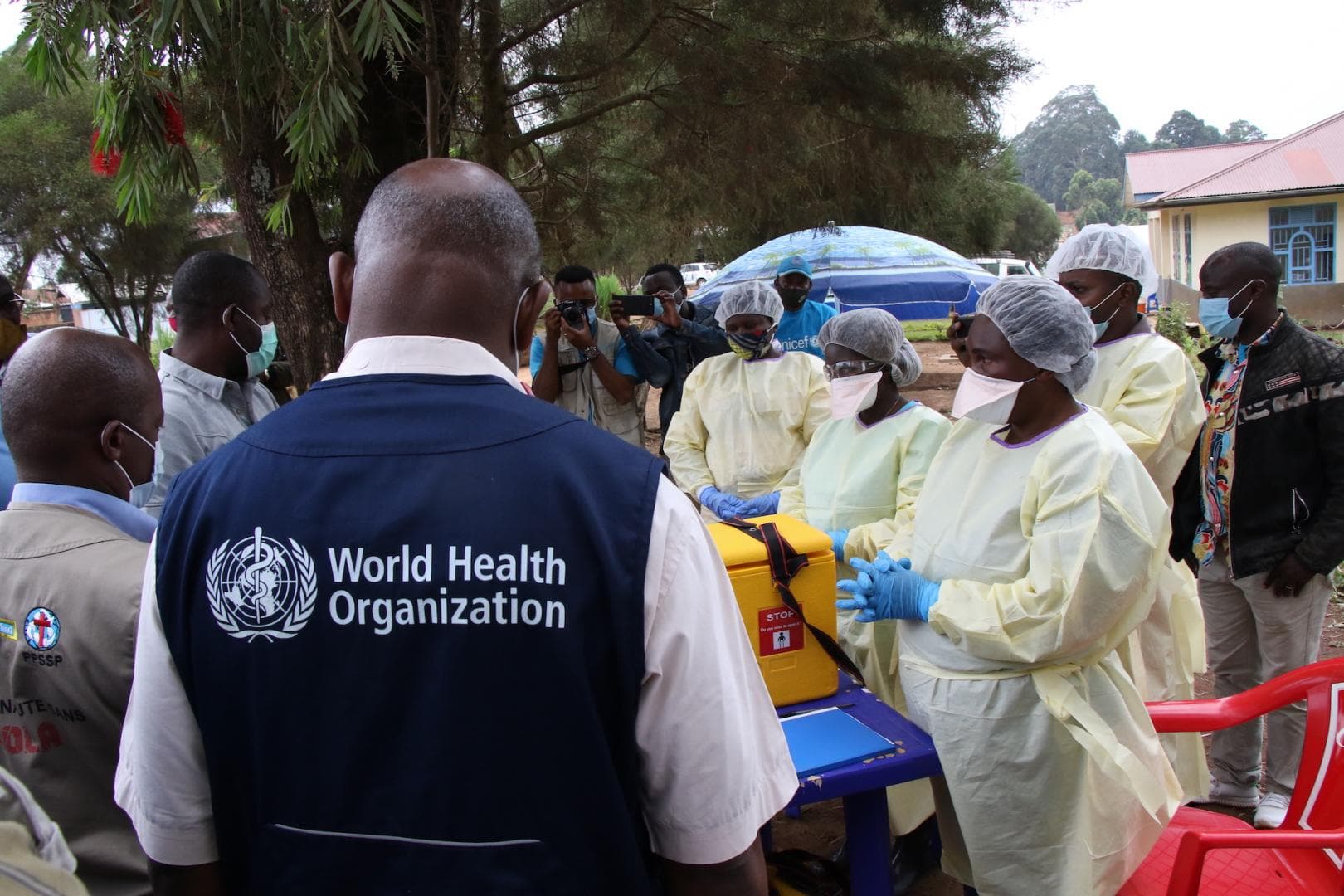
Ebola outbreak in Congo kills dozens as health officials race to contain it
Kasai Province’s Ebola outbreak began with a pregnant woman in Bulape and ended with 45 deaths, testing Congo’s surveillance, hospital readiness and vaccination response.
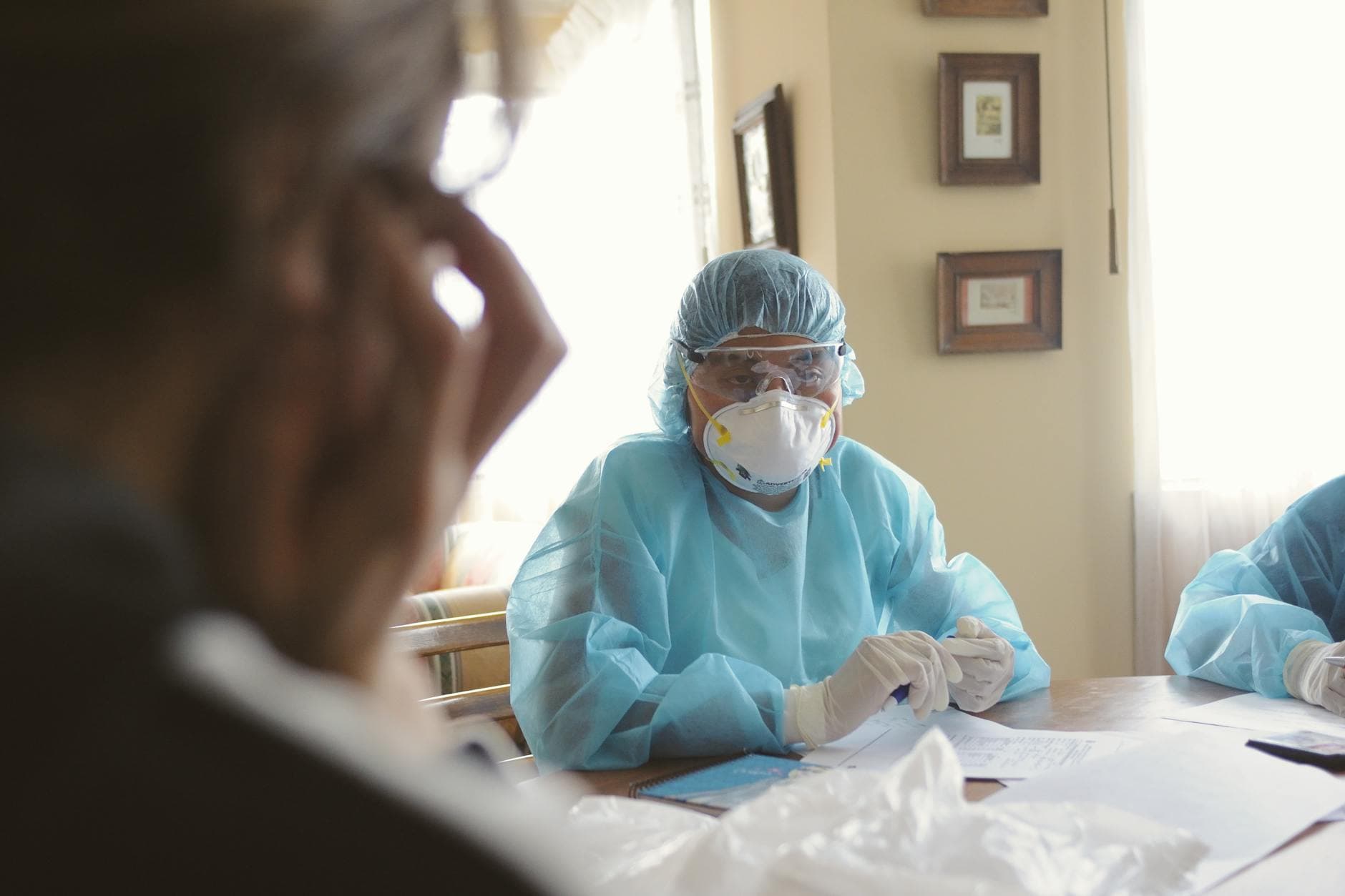
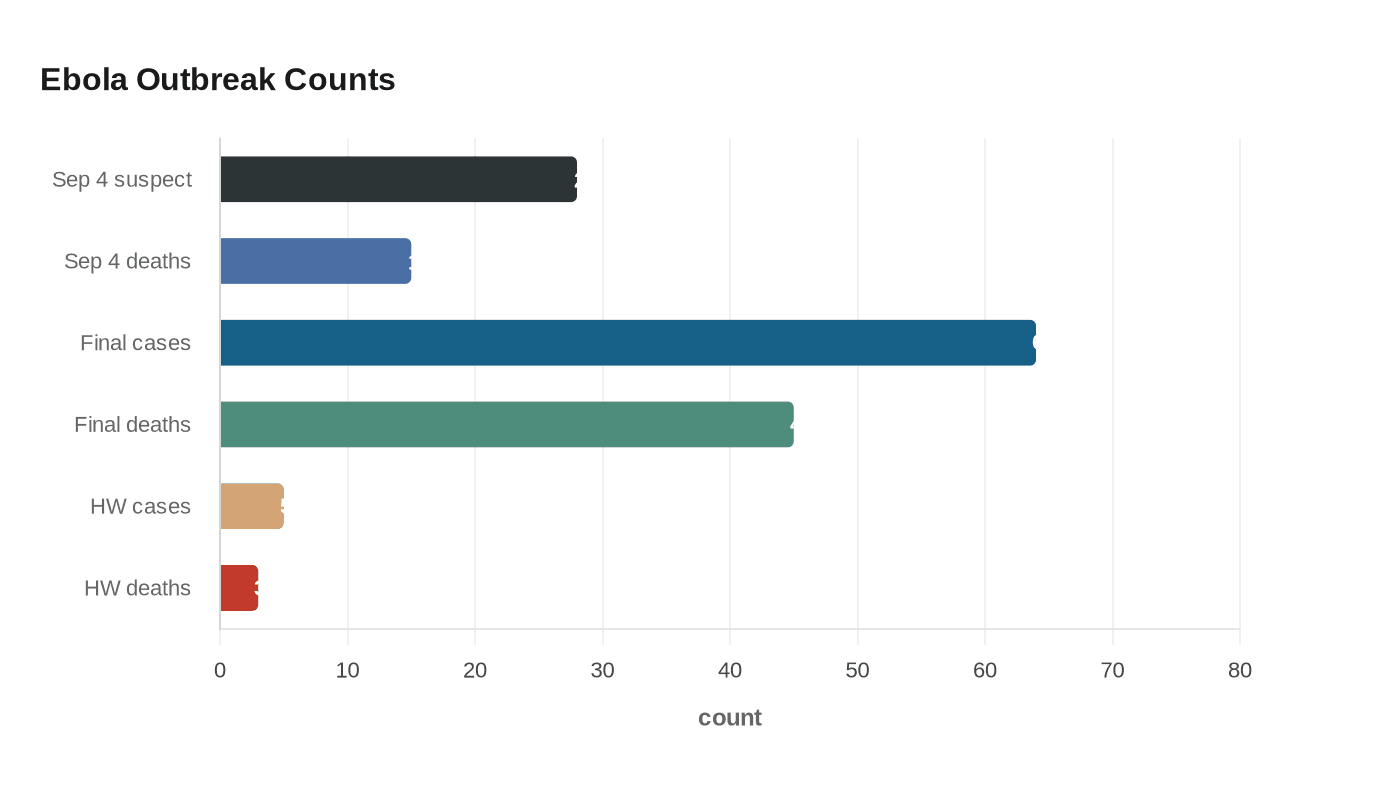
Ebola returned to Congo’s Kasai Province with the kind of speed that tests every layer of a health system: a pregnant woman arrived at Bulape General Reference Hospital on August 20, 2025, died five days later, and by September 4 officials had declared an outbreak after clusters of illness and death spread through the Bulape and Mweka health zones. At that point, the World Health Organization counted 28 suspected cases and 15 deaths, including four health-care workers, and identified the outbreak as Ebola Zaire.
The early response focused on the tools that matter most when a virus moves through rural clinics and household networks: surveillance, contact tracing, infection prevention and control, treatment, and vaccination support. The outbreak was concentrated in Dikolo and Bulape health areas, where tracing contacts and isolating cases became central to keeping the virus from widening beyond the first cluster. Health officials in the Democratic Republic of the Congo and their partners also relied on laboratory confirmation from the National Institute of Biomedical Research, part of the machinery that now determines whether a suspected case becomes an outbreak response.
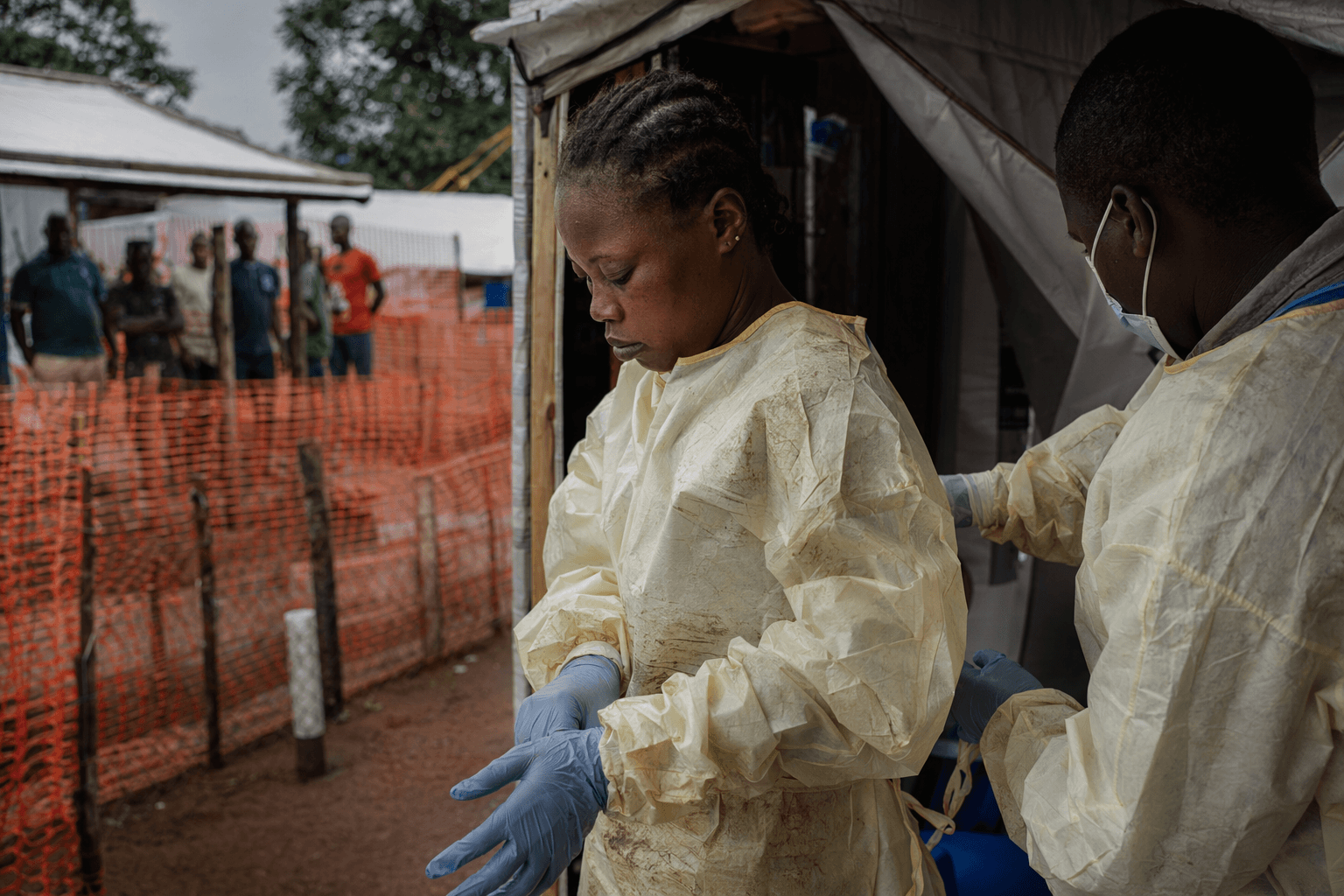
By December 1, 2025, the government declared the outbreak over after 42 days without a new case. The final toll was 64 cases, including 53 confirmed and 11 probable, and 45 deaths, a case fatality ratio of 70.3 percent. Five cases were among health workers, and three of those workers died. The numbers showed how quickly Ebola can punish delayed detection, but they also showed that containment measures, once fully engaged, can still stop transmission.
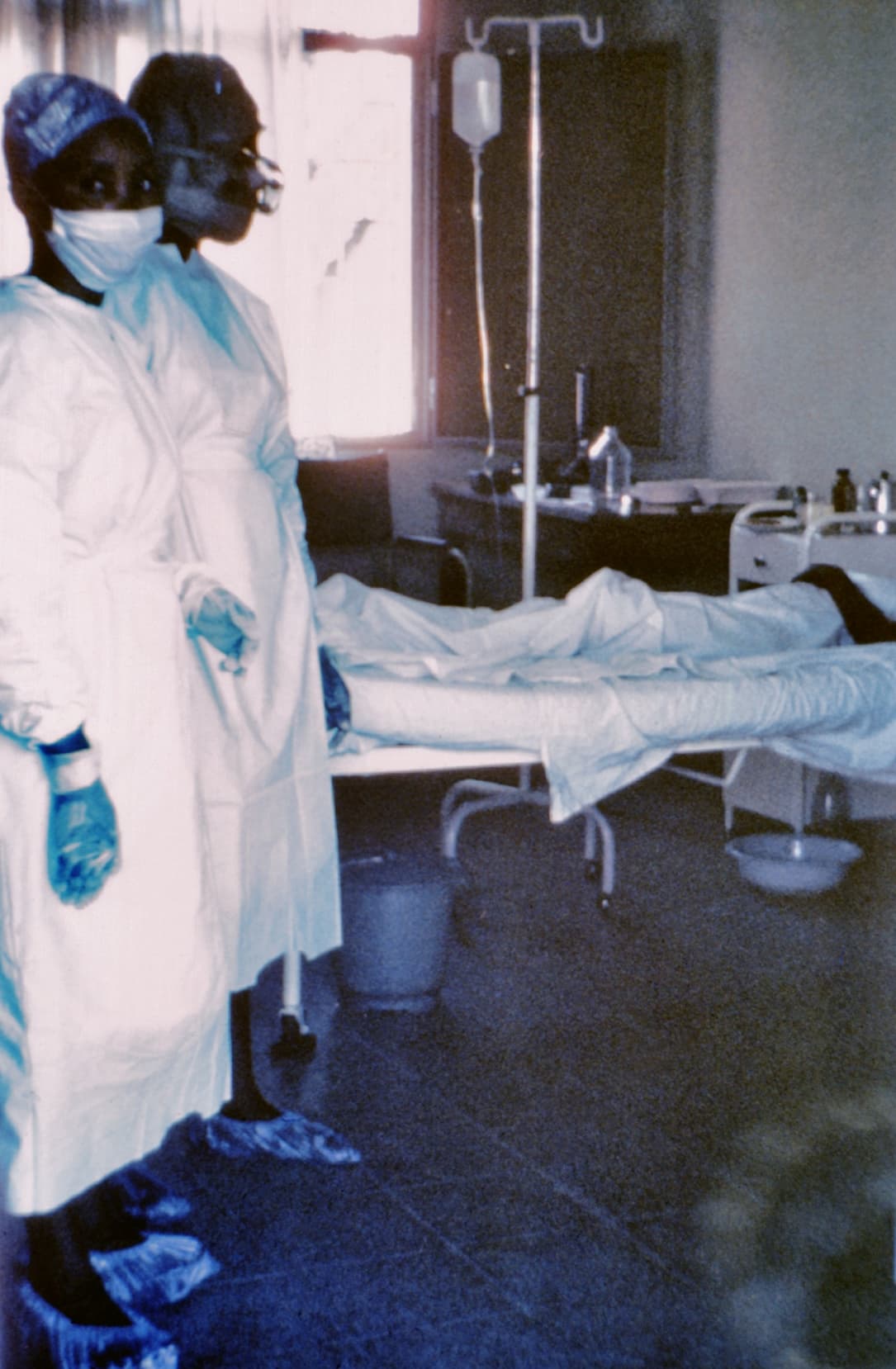
This was Congo’s 16th Ebola outbreak since the disease was identified in 1976, a reminder that the country has lived with repeated tests of outbreak readiness for decades. The U.S. Centers for Disease Control and Prevention says the 2014 to 2016 West Africa outbreak remains the largest Ebola outbreak on record, with more than 28,600 cases, a benchmark that still shapes how hospitals, ministries and international agencies prepare for the next flare-up.
That broader history is why the response in Kasai mattered well beyond one province. The appearance of a U.S. doctor who recovered from Ebola in CBS News coverage underscored a hard lesson from past epidemics: fear spreads fastest when systems lag, but surveillance, isolation, vaccination and disciplined hospital practice can still turn the tide.
Know something we missed? Have a correction or additional information?
Submit a Tip