African and Caribbean nations demand apologies, debt relief for slavery
African and Caribbean governments are pushing slavery reparations into concrete diplomacy, using a new UN vote and an Accra plan to demand apologies, debt relief and compensation.
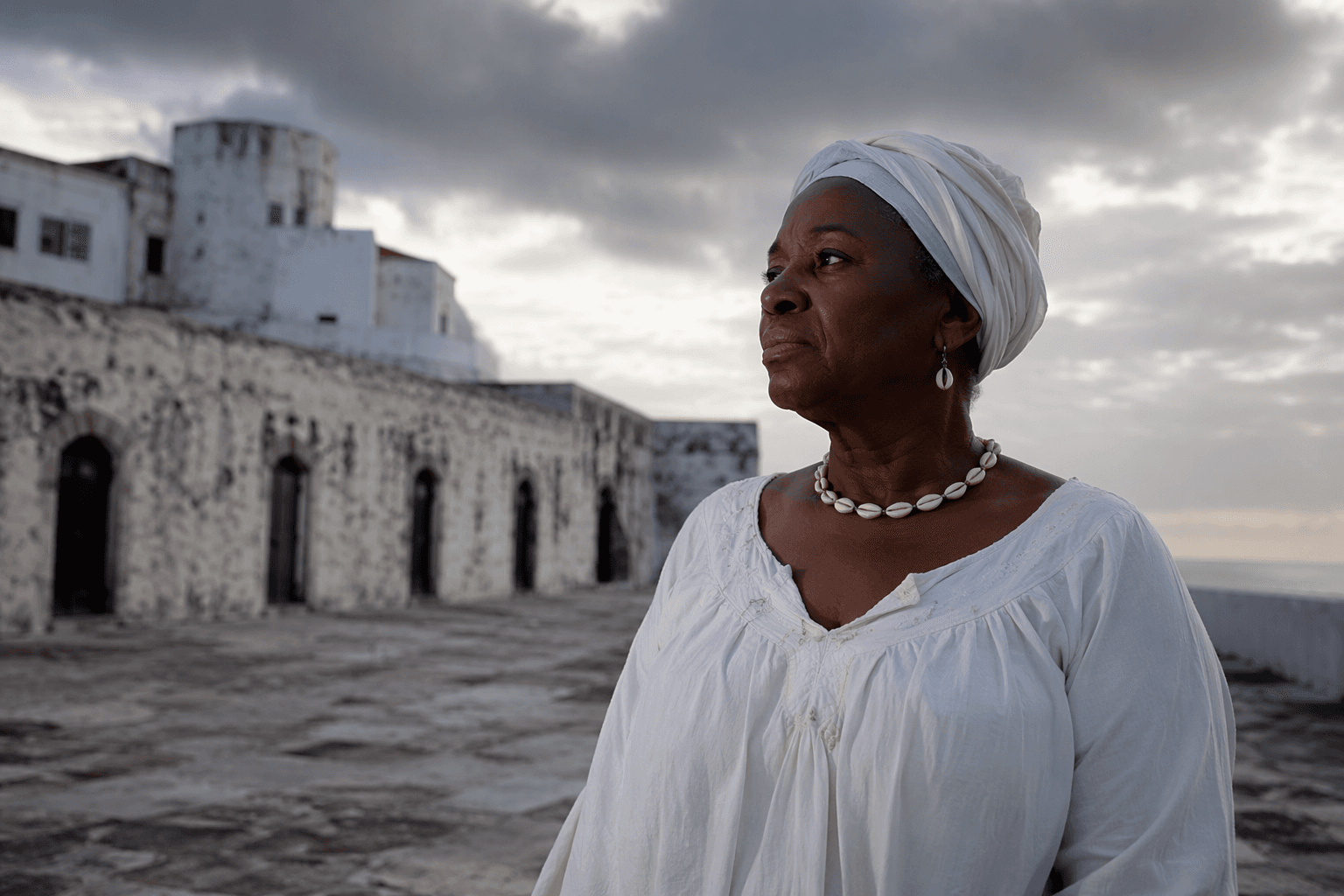
African and Caribbean governments are turning slavery reparations from a moral argument into a coordinated diplomatic campaign. In Accra, officials ended a three-day conference with a 19-point plan that pressed former slave-trading powers for formal apologies, debt relief and financial compensation, signaling a shift from symbolic recognition to concrete demands.
The push gained unusual momentum after the United Nations General Assembly adopted resolution A/RES/80/250 on March 25, 2026, declaring the transatlantic slave trade the gravest crime against humanity. The vote passed 123 to 3, with the United States, Israel and Argentina opposing and 52 countries abstaining. Ghana spearheaded the resolution, and President John Dramani Mahama addressed the General Assembly on behalf of the African Group, giving the campaign its most explicit institutional backing yet.
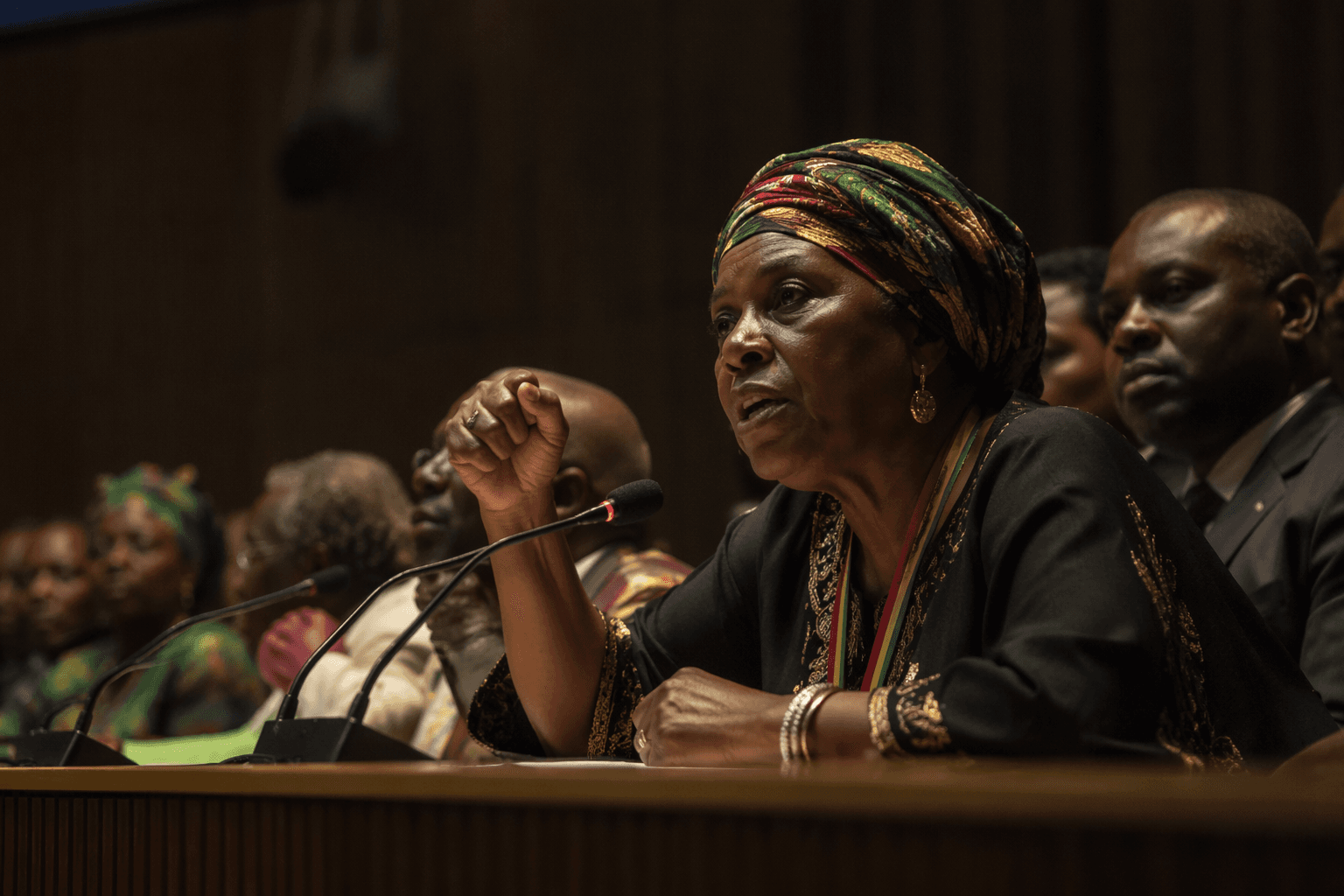
Ghana used the June 17 to 19 conference to translate that diplomatic opening into a practical roadmap. The government billed the gathering as the High-Level Next Steps Conference on Reparatory Justice, held under Mahama’s auspices as African Union Champion on Reparations. Foreign Minister Samuel Okudzeto Ablakwa framed it as a follow-up to the UN resolution, and Ghana’s conference materials tied the event to Juneteenth, the June 19 anniversary of the end of slavery in the United States in 1865.
The Accra meeting reflected how reparations advocacy has become more organized across regions. The African Union adopted the Accra Proclamation on Reparations in November 2023 and followed it with a February 2026 resolution recognizing slavery, colonialism and reparatory justice. On the Caribbean side, CARICOM’s Ten Point Plan for Reparatory Justice, built around the Caribbean Reparations Commission established by heads of government in 2013, already lays out a wider menu of remedies, including debt cancellation, indigenous development programs and public health measures.
That framework gives the movement leverage in negotiations, even if it cannot force payment on its own. By building common positions across Africa, the Caribbean and the diaspora, advocates are trying to raise the political cost for governments and institutions that benefited from slavery. Reuters image captions identified Sir Hilary Beckles, chairman of the CARICOM Reparations Commission, as speaking in Accra, while other coverage linked representatives from the Community of Latin American and Caribbean States, the Congressional Black Caucus and the NAACP to the conference.
The wider significance is clear: reparations is no longer being treated as a commemorative issue. African and Caribbean governments are using the language of international law, UN legitimacy and regional coordination to press for remedies that reach into finance, development policy and debt relief, making the campaign harder for major powers to dismiss as symbolic alone.
This article was produced by Prism’s automated news system from verified source data, official records, and press releases, then run through automated quality and moderation checks before publishing. The system is built and supervised by the people who set the standards it runs under. Read our full AI policy.
Know something we missed? Have a correction or additional information?
Submit a Tip