Lebanon ceasefire delays U.S.-Iran nuclear talks in Switzerland
A Lebanon ceasefire scrambled the first U.S.-Iran talks in Switzerland, as Steve Witkoff kept traveling and JD Vance's trip was scrapped.
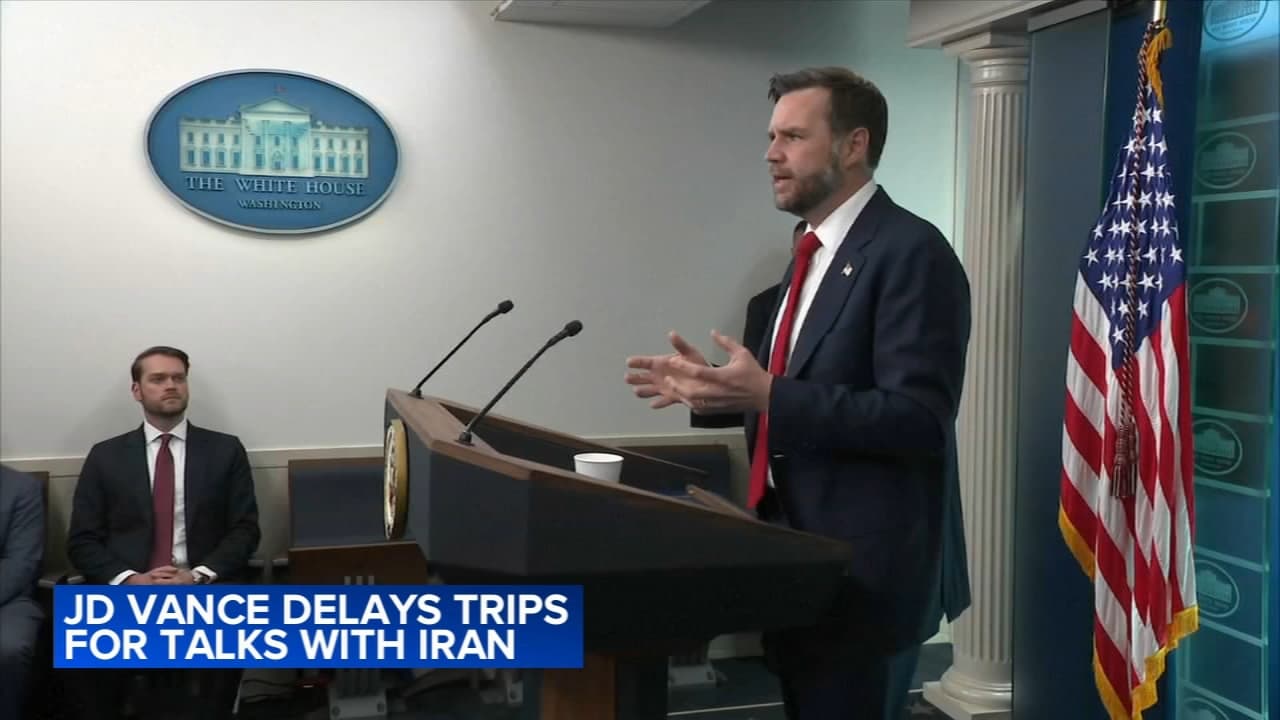
A fragile ceasefire in Lebanon forced Washington and Tehran into another round of diplomatic delay, turning the Switzerland talks into a test of whether a regional pause could hold long enough for negotiation to begin. Steve Witkoff was still headed to Switzerland, while Vice President JD Vance was no longer traveling, a sign that the U.S. push to open talks on Iran’s nuclear program was already being overtaken by fighting on the ground.
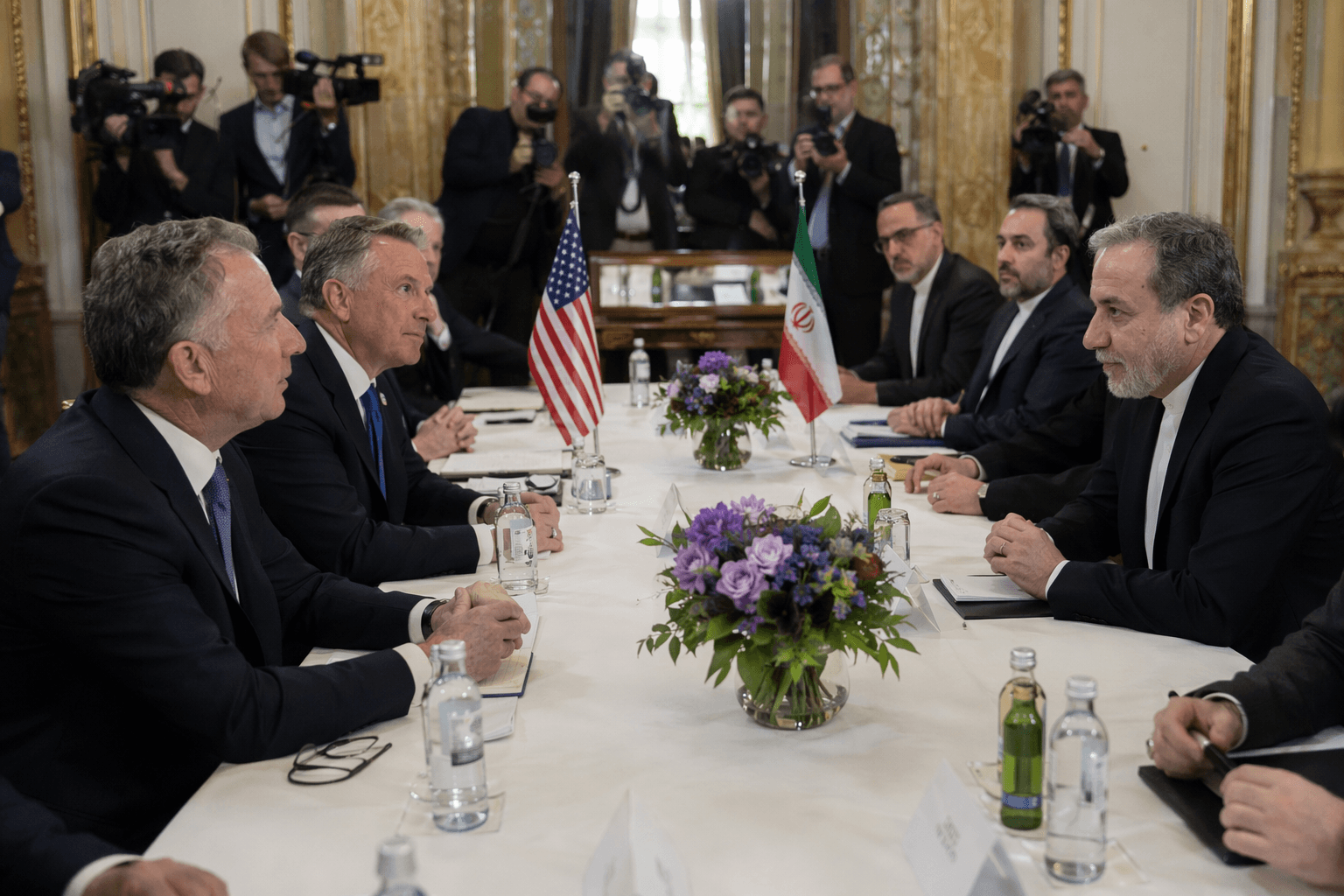
The talks had been set as the first round of follow-on negotiations after a U.S.-Iran memorandum of understanding signed June 17 and June 18, 2026. That framework was described as giving both sides a 60-day window to work on Iran’s nuclear program and broader regional issues, including the flow of oil traffic through the Strait of Hormuz. Several reports identified Geneva or Lucerne as the planned venue, underscoring how quickly the diplomacy was being organized and how quickly it was being disrupted.
The interruption came after Israel and Hezbollah agreed to a ceasefire in Lebanon on June 19, 2026, following an escalation in southern Lebanon that threatened the wider diplomatic effort. U.S. officials said the ceasefire was set to begin at 4 p.m. local time in Lebanon, but by then the pressure on the Switzerland meeting had already mounted. Bloomberg reported that the nuclear talks were delayed after the fighting intensified, while other accounts said the session scheduled for Friday had been pushed back.
The movement of the U.S. team highlighted the stakes. Witkoff was en route to Switzerland, and Jared Kushner was already there when the plans shifted. On the Iranian side, Abbas Araqchi was expected to take part as the talks were framed not only around nuclear limits, but also around the larger question of whether Washington and Tehran could stabilize a broader regional settlement without waiting for the battlefield to cool.
The immediate backdrop was more ambitious than the 2015 nuclear deal, because these talks were tied to wider conflict management as well as atomic restrictions. The interim understanding was also linked to reopening the Strait of Hormuz, a reminder that the negotiations were never just about centrifuges and enrichment levels. They were about whether a diplomatic opening could survive long enough to prevent Lebanon and the region from dictating the terms first.
This article was produced by Prism’s automated news system from verified source data, official records, and press releases, then run through automated quality and moderation checks before publishing. The system is built and supervised by the people who set the standards it runs under. Read our full AI policy.
Know something we missed? Have a correction or additional information?
Submit a Tip