U.S. and Iran reach 60-day ceasefire framework, final deal pending
The ceasefire pauses fighting for 60 days and ties sanctions relief to a $300 billion reconstruction plan, but Trump warned bombing could resume if talks fail.
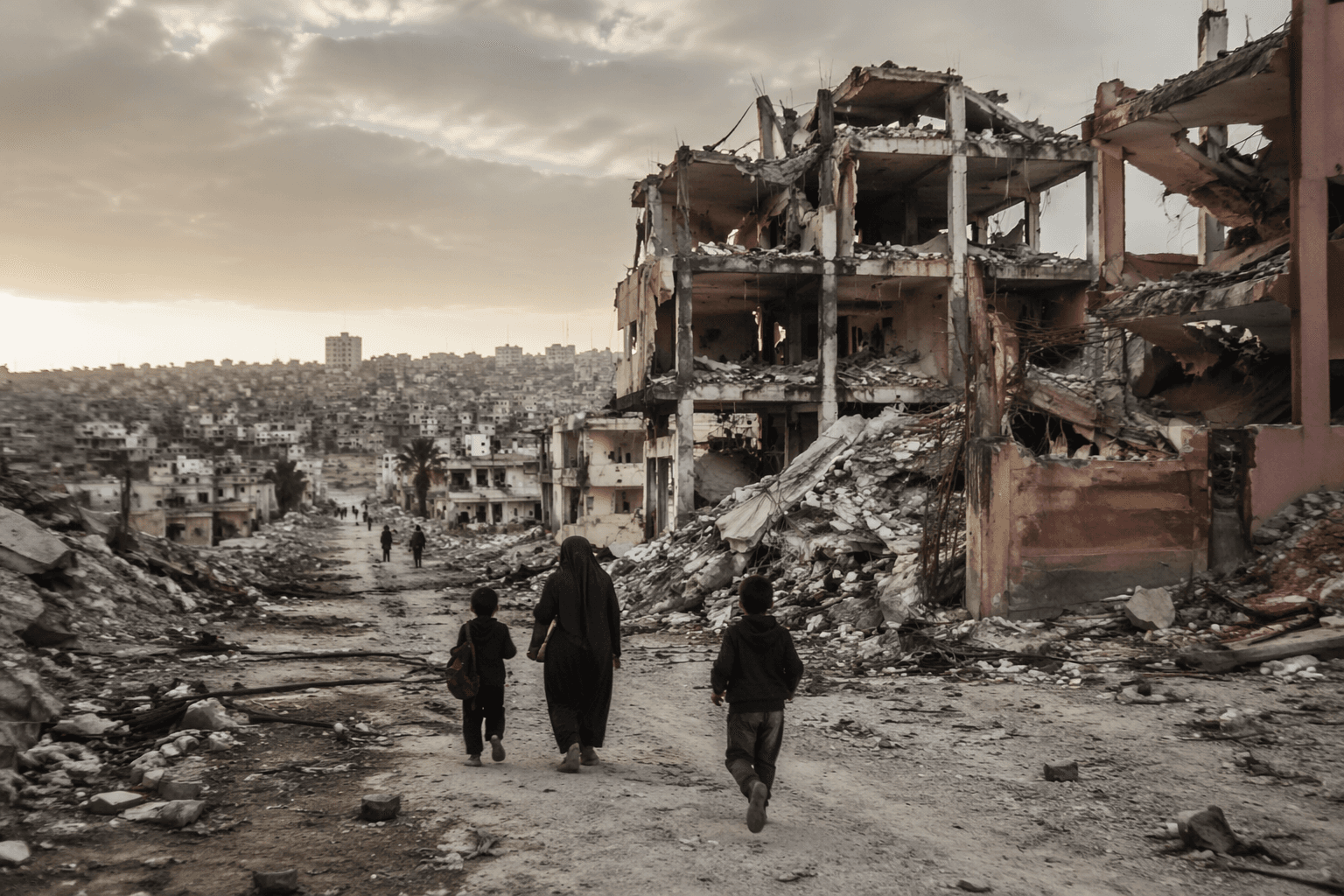
The United States and Iran have set out a 60-day ceasefire framework that freezes fighting, reopens the Strait of Hormuz and opens a narrow path to a final deal, but the agreement also exposes how far Washington has moved from its original wartime goals. Instead of the sweeping demands that shaped the conflict’s early months, the new memorandum accepts delay, conditional relief and another round of bargaining.
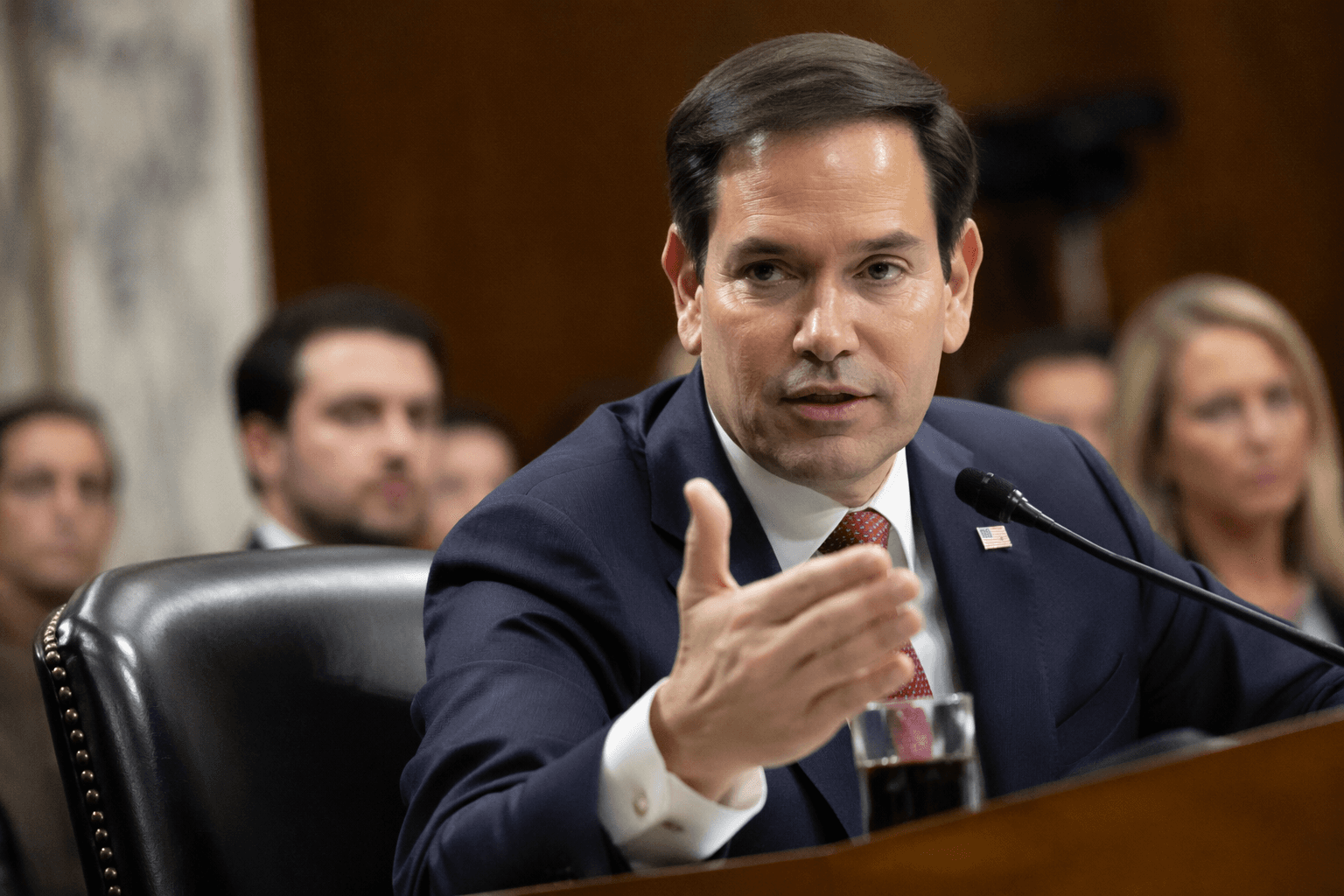
Senior U.S. officials read out 14 points in the pact on June 18, and Iran’s government later released text that matched the American version. The framework calls for an immediate and permanent end to military operations on all fronts, including Lebanon, and gives the two sides 60 days to reach a final agreement, with that deadline extendable by mutual consent. It also says Iran “shall not procure or develop nuclear weapons” and lays out a U.S. and regional reconstruction plan for Iran worth at least $300 billion, with sanctions relief tied to compliance in a final deal.
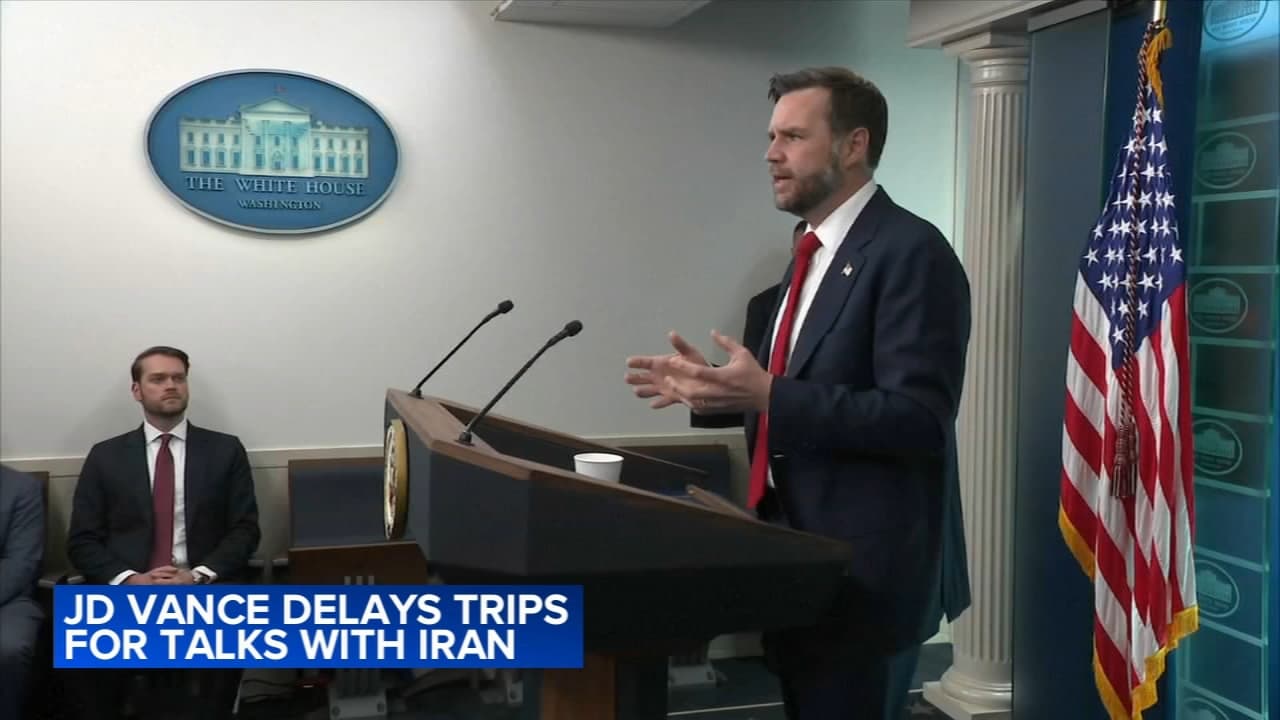
The document is less a settlement than a holding pattern. President Donald Trump warned at the G7 that if no final deal emerged within 60 days, the United States could resume bombing. Senior administration officials said Trump and Vice President JD Vance signed the agreement digitally on Sunday, and a formal ceremony was expected in Geneva, Switzerland, with Vance leading the U.S. delegation alongside special envoy Steve Witkoff and Jared Kushner.
The maritime terms underline the same mix of urgency and incompleteness. The agreement would cease fighting for 60 days and reopen the Strait of Hormuz to all traffic, but that reopening was tied to mine clearance and wider maritime safety arrangements. Even with the framework in place, officials acknowledged that significant work remained on the detailed nuclear negotiations.
The shift is sharpest when measured against Trump’s own changing war aims. The Associated Press reported that by June 12 he was saying the United States was close to signing a deal to wind down the war, after objectives had expanded and then shifted since hostilities began on February 28, 2026. In late March, Trump said 90% of Iran’s missiles and launchers had been knocked out; by mid-May he was saying 82% were gone. Adm. Brad Cooper told lawmakers around the same time that Iran still retained a “very moderate if not small” ability to continue strikes in the region.
Markets quickly treated the memorandum as a de-escalation signal. Stocks surged, while oil prices and bond yields fell. Britain, France, Germany and Italy said they were prepared to lift sanctions on Iran, and Qatar welcomed the agreement on freedom of navigation in the Strait of Hormuz. Israel was not party to the deal, and the hardest questions, especially Iran’s nuclear program and broader regional security, remained deferred.
This article was produced by Prism’s automated news system from verified source data, official records, and press releases, then run through automated quality and moderation checks before publishing. The system is built and supervised by the people who set the standards it runs under. Read our full AI policy.
Know something we missed? Have a correction or additional information?
Submit a Tip