Africa's Hidden Autism Crisis Leaves Millions of Children Without Diagnosis or Support
Across sub-Saharan Africa, autism is nearly invisible: no specialists in countries like Malawi, children hidden at home, and only a handful of grassroots groups filling a vast void.
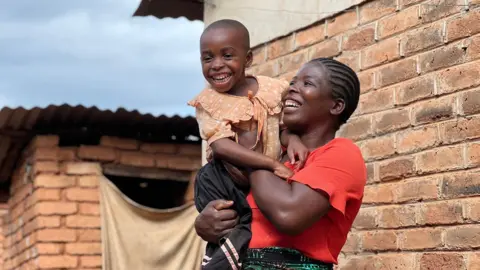
When Martha Ongwane's daughter was identified as autistic in Malawi, she entered a world with almost nothing to offer her. No specialist doctor. No speech therapist trained in the condition. No clear pathway to a diagnosis, let alone to school placement or behavioral support. What she found instead, eventually, was a rare parent support group, a lifeline so scarce it underscores just how catastrophically underserved millions of autistic children across sub-Saharan Africa remain. Her journey from being brought low by her daughter's condition to saying "I adore her now" is not only a personal story of resilience; it is a precise map of an institutional failure playing out across an entire continent.
A Research Blind Spot the Size of a Continent
The scale of what is not known about autism in sub-Saharan Africa is itself a damning finding. A landmark review of global autism prevalence, later cited in The Lancet Psychiatry, identified no usable data whatsoever from the sub-Saharan region, despite it being home to nearly one billion people, 40% of whom are children under 14. Studies that have since been conducted in the region estimate autism prevalence at between 0.08% and 2.3%, broadly in line with global figures, which means the affected population is almost certainly vast. Researchers now estimate that approximately 95% of autistic individuals worldwide live in low- and middle-income countries, with sub-Saharan Africa carrying a growing and largely uncounted share of that burden.
The data gap is not simply a matter of academic inconvenience. Without prevalence figures, governments cannot budget for services, donors cannot allocate funding, and policymakers have no baseline from which to act. The absence of data becomes the justification for the absence of investment, and the cycle continues.
Hidden Children, Hidden Lives
What researchers have documented, in place of prevalence data, is a pattern of concealment. Many autistic children across Africa are kept at home, away from schools, clinics, and community life, sometimes physically restrained by parents who have no other options and no access to support. When one researcher screened more than 1,300 children living in institutions for people with intellectual disabilities across six African countries, only nine qualified for an autism diagnosis, and just 30 others showed features of the condition. The number is not evidence of low prevalence; it is evidence of how rarely autistic children reach formal services at all.
Stigma drives much of this invisibility. Across many African communities, disability is still widely attributed to spiritual causes or witchcraft, and an autism diagnosis can bring shame and social exclusion rather than access to help. Media representations of autism have historically centered on white, middle-class individuals in high-income countries, leaving African families without culturally relevant information or recognizable role models.
Malawi's Near-Total Service Vacuum
Malawi offers one of the starkest illustrations of what this gap looks like in practice. As of the most recent available reporting, the country has no doctors specializing in autism and no speech therapists with expertise in the condition. There is no formal referral system for children identified with disabilities in their communities, and health workers have consistently pointed to the urgent need for better outreach infrastructure. According to UNICEF, approximately 2.4% of Malawian children live with some form of disability, yet they face persistent barriers to healthcare driven by poor infrastructure and stigma from health providers themselves.
The country's broader mental health system adds further context to how little capacity exists. Malawi records an estimated 2,000 suicides per year. The World Health Organization estimated that as far back as 2002, depression was the fourth leading cause of disability in the country after HIV, and the shortage of trained community-level health providers has not meaningfully changed since. For a child who might benefit from early intervention, behavioral therapy, or specialist schooling, the gap between need and available support is effectively total.
The Toll Carried by Families
The burden of that gap falls hardest on parents. Research published in the journal Child: Care, Health and Development found that parents of children with intellectual disabilities in Malawi face acute limitations not just in accessing services for their children, but in getting support for their own mental health. Caregivers routinely report stigma, social isolation, financial strain, and in many cases suicidal ideation or attempts. Globally, 85% of children with disabilities live in resource-poor settings, meaning the families most in need of relief are concentrated precisely where relief is least available.
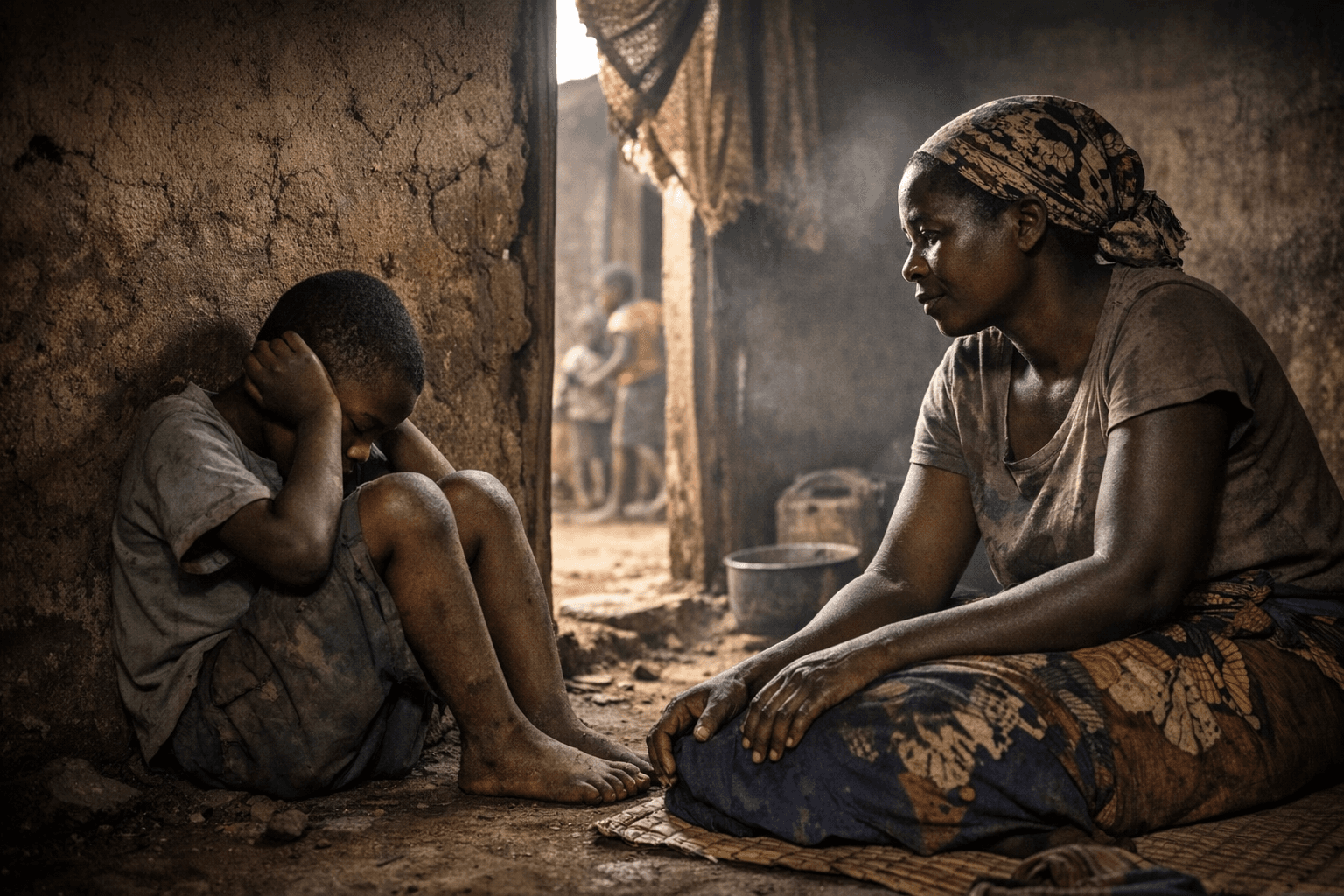
For Martha Ongwane, the emotional cost of navigating this system without guidance was immense. Her eventual connection to a parent support network, however informal, represents what many families in Malawi never find.
A Handful of Organizations Filling the Gap
Against this backdrop, a small number of pioneering organizations have begun to build what the state has not. The Hope for Autism Foundation, known as HAF, was established in 2015 in Limbe, Malawi, by William Makhala, whose daughter Promise was born prematurely at Queen Elizabeth Central Hospital in 2002 and diagnosed with autism in 2009. Promise, now an adult, cannot speak beyond a few words, though she understands verbal communication; her story directly inspired Makhala to found HAF. The organization works to connect families with care, treatment, and educational support, and has called specifically for the training of specialist teachers for autistic children, a category of educator that does not yet formally exist in the country's education system.
The Autism Hope Trust is another Malawian organization pushing for greater public awareness, while iMind Malawi, a youth-focused group, participates annually in World Autism Awareness Day outreach campaigns. These organizations operate with minimal resources, no government funding pipeline, and an enormous unmet need.
The Promise and Limits of Low-Cost Intervention
One recognized and replicable intervention is receiving particular attention in Malawi: Applied Behavior Analysis therapy, or ABA, which uses structured behavioral techniques to support communication, learning, and daily function in autistic individuals. Registered Behavior Therapist Stephanie Loibl has worked to pilot ABA services in Malawi, training caregivers, parents, and educators in its application. Her initiative directly addresses the shortage of trained practitioners by building local capacity rather than relying on imported expertise.
ABA therapy is not a cure and requires consistency and skilled delivery to be effective. But it is evidence-based, teachable at scale, and adaptable to low-resource settings, making it one of the more realistic tools available to communities where clinical specialists are simply not present. The challenge is funding: Loibl's project required external fundraising to send even a single Registered Behavior Technician to Malawi, a measure of how far outside formal aid structures this kind of work currently sits.
What Governments and Donors Are Not Funding
The interventions that exist in Malawi, and across much of sub-Saharan Africa, are grassroots by necessity rather than by design. HAF, the Autism Hope Trust, and iMind Malawi operate in the space that national health ministries and international donors have left unfilled. There is no dedicated autism funding line in Malawi's national health budget. Attempts by journalists to reach the Malawian Ministry of Health for comment on support programs for autistic children have gone unanswered.
The cost of inaction compounds over time. Children who do not receive behavioral support in early childhood face steeper developmental challenges as adults. Parents who do not receive mental health support while caregiving face higher rates of crisis. Communities that do not receive awareness education continue to attribute autism to spiritual causes, keeping children hidden and untreated.
What organizations like HAF and researchers publishing in The Lancet Psychiatry have collectively established is that the problem is real, measurable, and tractable. What remains missing is the political will and donor priority to treat it as such. Until autism in sub-Saharan Africa is counted, funded, and named in national health strategies, families like Martha Ongwane's will continue to find their way to support groups not through any system designed to help them, but in spite of the absence of one.
This article was produced by Prism’s automated news system from verified source data, official records, and press releases, then run through automated quality and moderation checks before publishing. The system is built and supervised by the people who set the standards it runs under. Read our full AI policy.
Did this article answer your question?