After renewed Iran strikes, Israelis fear a never-ending war loop
Israelis were back in shelters as renewed Iran strikes triggered school closures, underground hospital operations and fresh fears of a wider war. Polls showed most voters now favor ending the fighting for hostage deals.
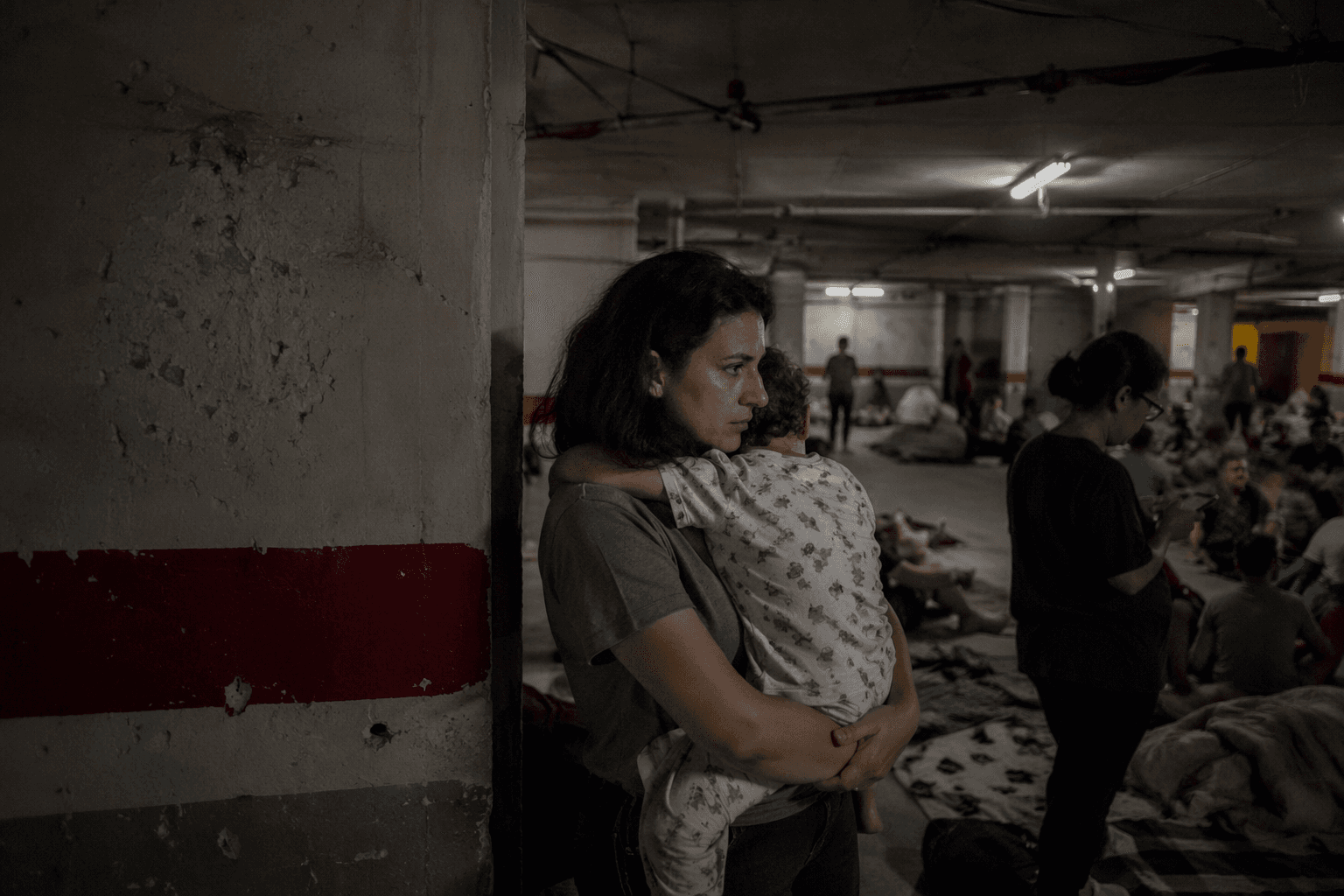
Fresh missile exchanges with Iran pushed Israelis back into emergency routines that have become grimly familiar: schools shut nationwide, hospitals moved underground or into protected rooms, and public gatherings were restricted as parents scrambled to make sense of another day of sirens and disruption.
The renewed fighting came after a ceasefire had been agreed in April, yet Israel and Iran traded fire again early Monday, a spiral that threatened to pull the wider Middle East back toward full-scale regional war. The home front response was immediate. Israel’s Home Front Command issued new nationwide guidelines as the Israel Defense Forces warned of an attack, and live updates showed schools and workplaces thrown into confusion while families rearranged childcare and commutes around the latest alert cycle.
The public exhaustion is now colliding with politics. A new poll in northern Israel, where Hezbollah rocket fire has been heaviest, showed Prime Minister Benjamin Netanyahu’s support plunging in the region. That matters far beyond the border towns: the north is electorally important, and the war has become a test of whether Israeli voters still back an open-ended military strategy or want a political exit before the next round of escalation.
Polling suggests the mood is shifting, even if it remains divided. A Channel 12 poll found 69% of Israelis supported ending the war in exchange for a deal that would free all remaining hostages in Gaza. Another poll found 74% backing a comprehensive agreement to return all hostages and fallen soldiers in one phase in exchange for ending the war in Gaza. At the same time, polling in March and April showed many Jewish Israelis still supported continuing the Iran-Hezbollah campaign, underscoring the split between security hawks and a public increasingly worn down by repeated mobilization.
The regional stakes are rising as well. The United Nations Office for the Coordination of Humanitarian Affairs said Lebanon’s humanitarian situation deteriorated sharply between May 29 and June 1, with at least 3,433 people killed and 10,395 injured in Lebanon since March 2. In Lebanon, the fighting has become part of a broader Israel-Hezbollah war that has kept South Lebanon on edge and raised the pressure on leaders in Beirut as well as in Jerusalem.
For Israelis who have lived through Gaza, Lebanon and now Iran in overlapping waves since October 7, 2023, the latest strikes have reinforced a bleak sense that each pause only sets up the next alarm. The political cost of that fatigue is already visible, and the question now is whether it will force a durable ceasefire before the cycle hardens into another long war.
This article was produced by Prism’s automated news system from verified source data, official records, and press releases, then run through automated quality and moderation checks before publishing. The system is built and supervised by the people who set the standards it runs under. Read our full AI policy.
Did this article answer your question?


