Agency M&A Playbook: How Buyers Scale Digital and SEO Capabilities Through Acquisitions
Earnouts, equity rollovers, and add-on acquisitions are reshaping how PE firms scale SEO agencies — and client churn during integration is still the deal-killer most operators ignore.
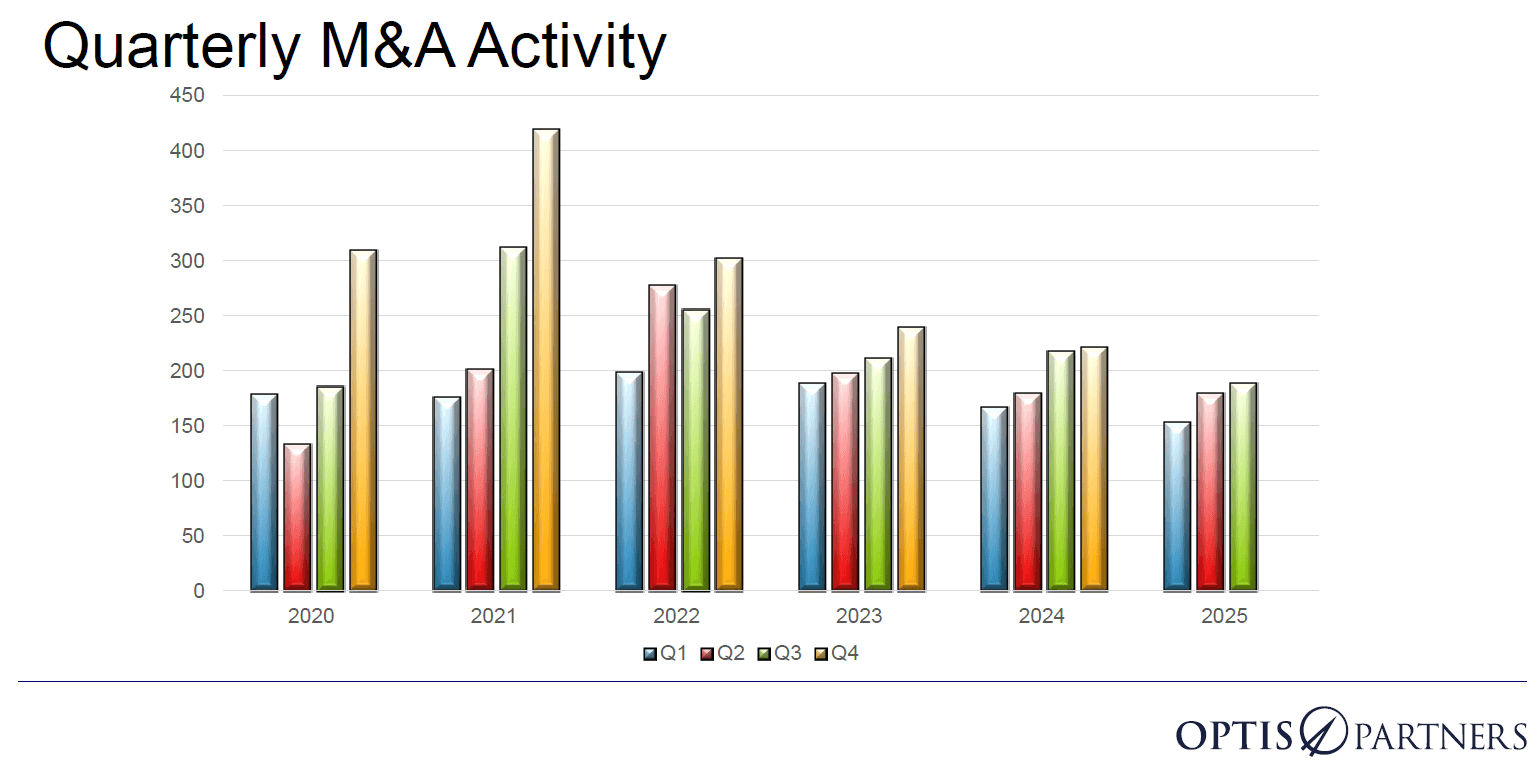
Private equity firms and strategic acquirers are not buying agencies for their creative awards or their pitching culture. They are buying documented revenue, scalable delivery, and the ability to push more services through an existing client roster. EagleTree Capital's acquisition of The Opus Group, announced April 2, 2026, illustrates exactly how this thesis plays out in practice: EagleTree's investment was designed to accelerate global, client-centric growth across Opus Agency brands, with the explicit expectation of adding capabilities through bolt-on deals. Understanding why buyers think this way, and how they structure and integrate deals, is the operating knowledge every agency principal needs before they take a meeting.
Why Buyers Target Agency Networks
Three acquisition theses drive most of the activity in the agency M&A market right now.
The first is cross-sell expansion. During its partnership with Growth Catalyst Partners, The Opus Group significantly broadened its capabilities, grew its client base, and strengthened its position as a modern agency network with global reach. EagleTree's investment will build on that foundation and look to accelerate growth via multiple organic initiatives and strategic acquisitions. That pattern is universal across PE-backed agency roll-ups: a buyer acquires an experiential or creative agency network precisely because its client relationships are deep, and then uses those relationships as distribution channels for SEO, performance marketing, and content products the legacy firm never offered.
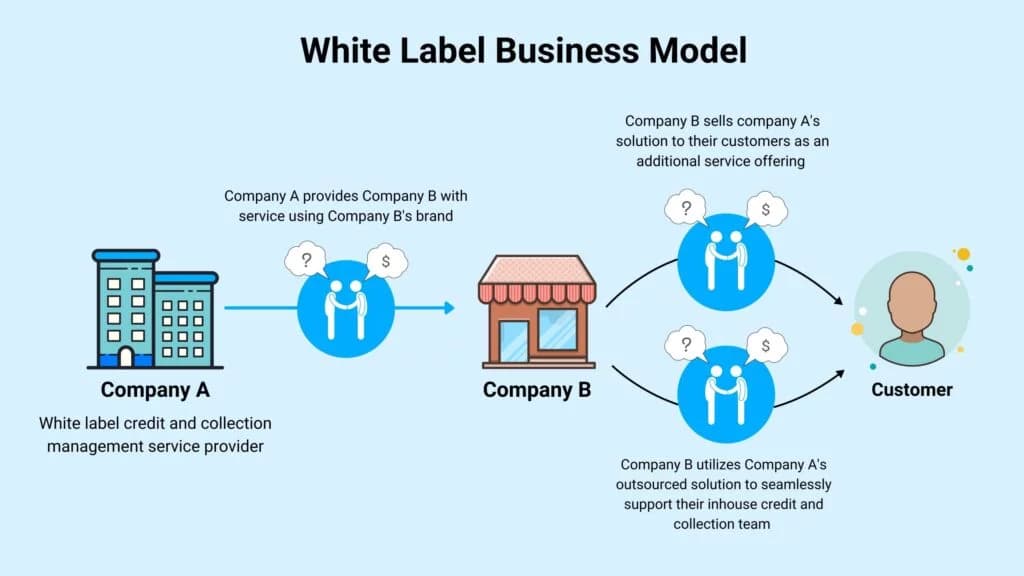
The second thesis is operational arbitrage. Centralizing procurement, creative ops, and white-label fulfillment across brands produces margin expansion that no single agency can achieve alone. The third is productization: packaging technical audits, content subscriptions, and managed link programs into tiered offerings with predictable pricing removes the bespoke project variability that compresses margins and makes revenue forecasting unreliable.
The Three Deal Structures That Actually Matter
Most agency transactions are not all-cash closings. The mechanics of how deals are structured determine whether founder and management teams stay engaged post-close — and whether delivery quality holds through the transition period.
Earnouts tied to retention. The standard structure pairs an upfront cash payment with an earnout calculated against revenue or EBITDA targets over 12 to 36 months. For SEO agencies specifically, buyers increasingly tie earnout milestones to client retention metrics rather than pure revenue, because revenue can be temporarily inflated by new sales while legacy clients quietly churn. If your earnout is written against gross revenue and you lose three anchor retainer clients in month four, you can hit your number and still destroy value for the buyer. Negotiating earnout triggers around net revenue retention is a seller-friendly protection that also aligns incentives correctly.
Equity rollovers. Buyers frequently require founders to roll a portion of their equity into the acquiring corporate entity rather than cashing out entirely. This preserves management alignment and provides genuine upside in the combined platform. For sellers, the rollover is real skin in the game: you are betting that the integration creates value you would not have built independently. That calculus only works if you trust the buyer's operational roadmap, which is why diligencing the acquirer is as important as diligencing the target.
Add-on acquisitions. EagleTree is looking to grow Opus by accelerating growth via multiple organic initiatives and strategic acquisitions. This is the add-on playbook in one sentence. A platform acquirer uses a foundational deal to establish operational infrastructure and then buys specialist capabilities, geographic coverage, or vertical depth through smaller bolt-ons. For SEO and performance agencies, this creates a two-sided opportunity: you can be the platform, or you can be the bolt-on target that a platform needs.
What to Centralize First (and What to Leave Alone)
The integration failure mode that destroys value in agency roll-ups is almost never a bad technology decision. It is client churn triggered by operational disruption during integration. Clients who signed with a boutique agency because of a specific account team or a specific methodology start re-evaluating contracts the moment they feel the service model shifting.
The answer is not to avoid centralization. It is to sequence it correctly. Centralize the back-office functions first:

- Sales ops and CRM infrastructure: A shared pipeline visibility and forecasting layer does not touch client delivery at all, but it creates the reporting foundation buyers need to manage cross-brand performance.
- Reporting and analytics: Standardizing client-facing reporting dashboards across brands is the fastest way to demonstrate consistent quality and identify margin dilution by service line without disrupting account teams.
- Fulfillment pods: White-label content production, link outreach, and technical SEO execution can be pooled into shared delivery units behind brand-facing account managers. Clients never see the pod structure; they still interface with the same account lead.
Brand-level client relationships, account management culture, and bespoke strategy work should be preserved at the agency level for as long as integration is ongoing. The moment clients feel like they have been handed to a shared services center, retention risk spikes.
The Metrics Buyers Price Up and Price Down
SEO and performance shops with strong unit economics and net revenue retention price better than generalized project studios. NRR is the single most important number in an agency's data room because it captures both retention and expansion revenue in one figure. An NRR above 110% tells a buyer that existing clients are buying more over time. An NRR below 90% tells a buyer that the agency is running on a leaky bucket and that new sales are masking the problem.
Gross margin by service line is the second metric that separates a premium valuation from a discounted one. Buyers want to see clearly which services are high-margin and repeatable (technical audits, content subscriptions, managed programs) and which are low-margin and labor-intensive (one-off site migrations, custom content campaigns). A blended margin number without service-line breakdowns forces buyers to assume the worst. Presenting clean margin attribution by offering is one of the highest-leverage preparation steps a seller can take.
Getting the Business Ready to Sell or Partner
The seller preparation process is fundamentally a productization and documentation exercise. Convert bespoke work into tiered packages with defined deliverables and outcomes. Standardize SOPs for recurring services so that delivery does not depend on any individual contributor. Centralize contracts and financials so that auditable recurring revenue is visible without digging through project agreements. Build vendor relationships and QA processes that can survive staff turnover.
Legal readiness is the area that consistently delays or disrupts closings: IP assignments, employment agreements, and non-compete clarity need to be resolved before diligence, not during it. A buyer who finds ambiguous IP ownership on a core product methodology will either reprice the deal or walk.
The SEO Vendor Landscape After Consolidation
When PE-backed networks like EagleTree acquire experiential and brand agencies, they frequently invest in building centralized performance and SEO capability centers of excellence. The Opus Group was acquired from Growth Catalyst Partners, marking the latest deal in a wave of consolidation across the events and experiential agency sector. That consolidation wave creates immediate demand for specialist SEO providers who can serve as acquisition targets or as enterprise delivery partners.
White-label content providers, technical SEO consultancies, and backlink networks with strong editorial relationships are all viable acquisition targets for platform buyers who need scalable, auditable delivery. The key qualifier is auditable: PE-backed buyers operating at scale cannot manage bespoke vendor relationships with opaque quality controls. If you are positioning as a supplier partner rather than a consolidation target, your documentation and reporting infrastructure matters as much as your delivery quality.
"EagleTree is an exceptional partner for this next stage because it understands where this industry is heading," said Kim Popetz, CEO of Opus Group. That framing captures what every operator in this market is navigating: industry direction matters more than current-state performance. Buyers are pricing agencies on where the combined platform can go, not where the standalone business has been. The agencies that command the strongest valuations and survive integration with retention intact are the ones that have already done the productization and documentation work before a buyer arrives.
Sources:
Know something we missed? Have a correction or additional information?
Submit a Tip